Nestled in the heart of the majestic Rocky Mountains, Breckenridge is not only a haven for outdoor enthusiasts and adventure seekers but also a place where the weather itself plays a vital role in shaping the town’s character. Understanding Breckenridge weather before you pack is the difference between a smooth mountain trip and getting caught off guard by a sudden afternoon squall. From crisp, snow-laden winters to sunny, vibrant summers, Breckenridge boasts a diverse climate that adds to the charm of this Colorado mountain town.
Breckenridge Weather by Season
Breckenridge experiences four distinct seasons, each bringing its own weather pattern and its own reason to visit.
Winter
Winter steals the show with world-class skiing and snowboarding conditions. The snow-covered landscape transforms Breckenridge into a winter wonderland that draws visitors from across the globe. The ski season typically kicks off in November and runs well into April, making it a reliable stretch for snow enthusiasts planning a trip around fresh powder.
Spring
Spring brings a sense of renewal as the snowpack begins to melt, revealing alpine meadows and early wildflowers. It’s a transition period when outdoor activity shifts from skiing to hiking and biking, though snow can still linger at higher elevations well into May.
Summer
Warm temperatures and sunny skies beckon adventurers to explore the surrounding wilderness. Hiking, mountain biking, and fishing become the go-to activities, and the lively atmosphere of Breckenridge’s historic Main Street fills with outdoor festivals and events.
Fall
Fall bathes the town in hues of red, gold, and orange as the aspen groves undergo their annual transformation. Crisp mountain air and stunning scenery make autumn an ideal time for scenic drives, hiking, and simply taking in the views before winter sets back in.
Microclimates and Altitude
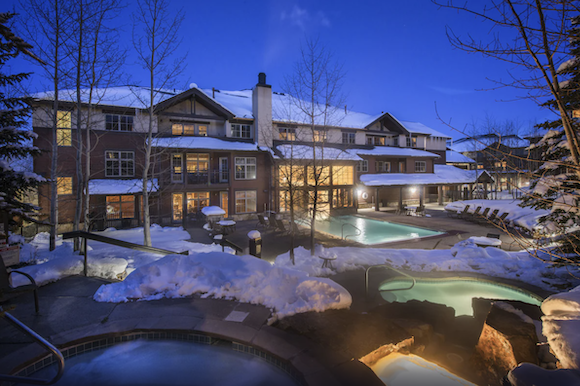
Breckendridge Lodge Package
★★★★★
$563
Package for 4 nights + roundtrip ticket flights
Package rate may change without early notification due to the availability
Breckenridge’s weather is shaped by its high-altitude location, sitting at an elevation of 9,600 feet above sea level. The thin mountain air not only contributes to the town’s crisp climate but also intensifies the effects of the sun, making sunscreen a year-round essential even on cold days.
Because of that elevation, Breckenridge experiences what locals fondly call “bluebird days” — clear, sunny skies that contrast with heavy winter snowfall. These days are ideal for hitting the slopes or simply soaking in the mountain views.
Weather in Breckenridge can still change quickly, with sudden shifts and afternoon rain showers common in summer. Visitors should pack layers and check the forecast regularly rather than relying on a single morning read.
Frequently Asked Questions
When is the best time to visit Breckenridge for skiing?
Peak ski conditions generally run from late December through March, once base depths have built up. Early and late season (November and April) can still offer good skiing but with more variable snow coverage.
Does it snow in Breckenridge outside of winter?
Occasionally. Given the town’s high elevation, light snow is possible in shoulder months like late September, October, or May, though it rarely sticks for long outside the core winter season.
How cold does it get in Breckenridge in winter?
Overnight lows commonly drop into the single digits or below-zero Fahrenheit during the coldest stretches of January and February, while daytime highs on sunny “bluebird days” can still feel comfortable in the sun.
Check Current Conditions Before You Go
Breckenridge’s weather is more than just a backdrop to the scenery — it’s part of the town’s identity. Whether you’re carving through powder in winter, hiking among wildflowers in spring, soaking up the sun in summer, or marveling at fall foliage, the ever-changing climate is part of what makes a Breckenridge trip worth planning around.
This article was updated on September 22, 2026 with current seasonal weather guidance for Breckenridge, Colorado.