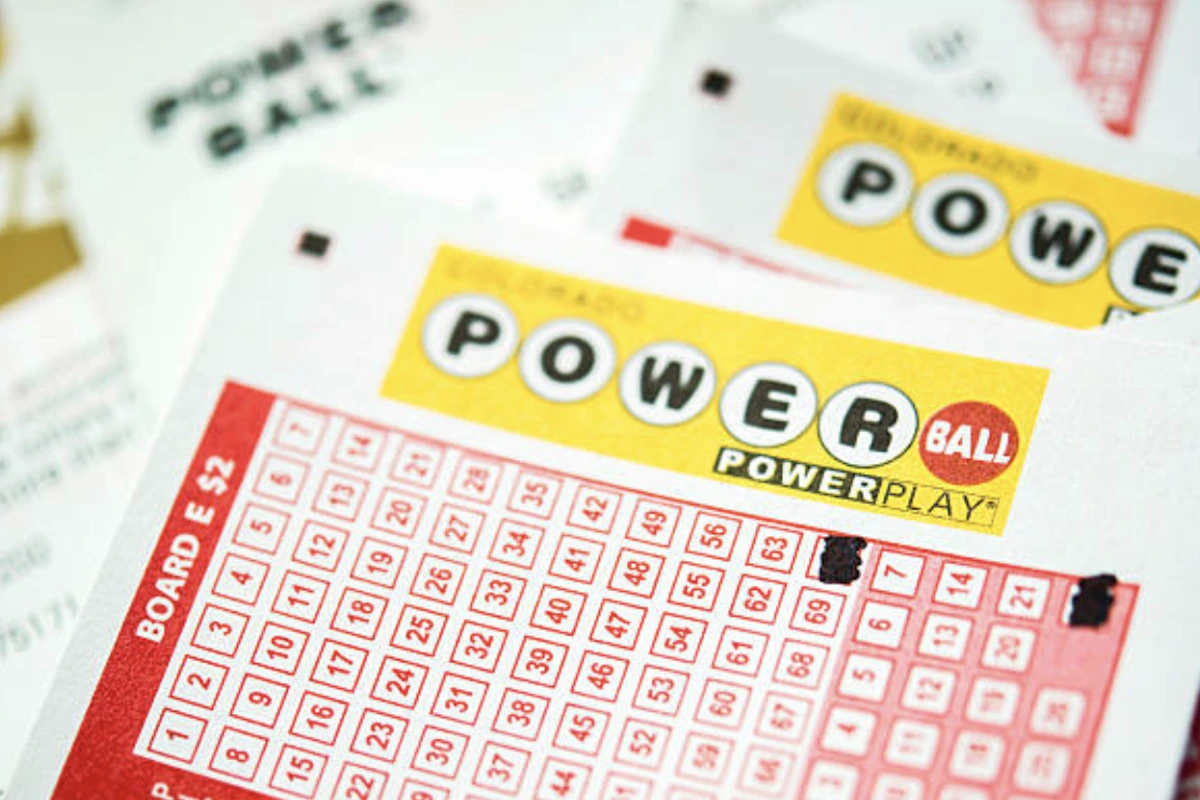
There’s a new Powerball winner, and a single ticket sold at a gas station in western Illinois is now worth more than a billion dollars. The winning ticket, purchased at a Hy-Vee station in Quincy, Illinois, matched all six numbers in Wednesday night’s drawing — 4, 26, 66, 67, and 69, with a Powerball number of 9 — to claim a jackpot worth $1.040 billion, officially the eighth-largest prize in Powerball history. The win ends a three-month stretch without a jackpot winner and hands one lucky ticket-holder a genuinely life-altering decision: take a lump sum of roughly $450 million now, or collect the full billion-dollar prize spread across 29 annual payments.
This article covers what’s known so far about the winning ticket, breaks down the lump sum versus annuity decision every big Powerball winner faces, and looks at where this win ranks among the largest jackpots in the game’s history.
What We Know About the Winning Ticket
The winning ticket was sold at a Hy-Vee gas station in Quincy, Illinois, a city of roughly 40,000 people located about 100 miles west of the state capital, Springfield, along the Missouri border. Illinois Lottery officials confirmed the win Wednesday night, though as of this writing it isn’t yet publicly known whether the winner has come forward to claim the prize. Lottery winners typically have a set window — often 60 to 90 days depending on the state — to file a claim, giving whoever holds the winning ticket time to consult financial and legal advisors before stepping forward.
This marks the first Powerball jackpot to reach the billion-dollar mark since a player in Arkansas won $1.8 billion on Christmas Eve of last year, and the first jackpot win of any size in more than three months — the previous top prize was a $20 million jackpot split between two players in Florida and Texas back on May 2. That kind of extended drought is actually part of how billion-dollar jackpots happen in the first place: Powerball’s current odds and format mean the prize keeps rolling over and growing with each drawing that produces no winner, until eventually someone’s numbers hit.
Lump Sum vs. Annuity: What the Powerball Winner Must Decide
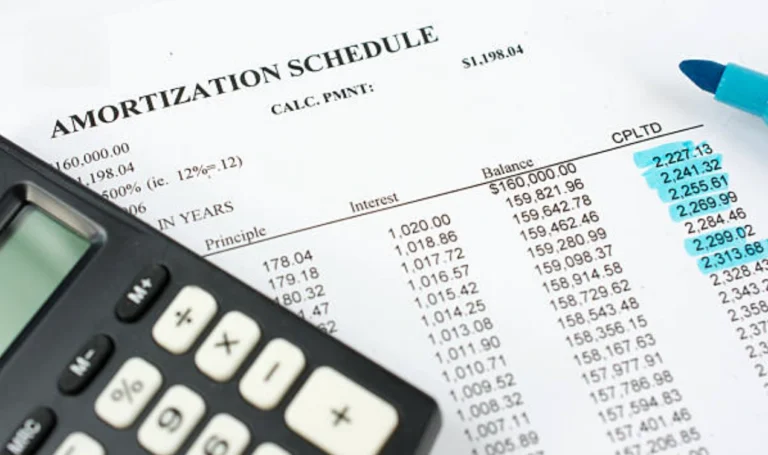
Once the winner comes forward, they’ll face one of the most consequential financial decisions most people will ever make: take a lump-sum cash payment of approximately $450.5 million, or accept the full $1.040 billion prize paid out in 29 annual installments, an option known as the annuitized prize. Both figures are quoted before taxes, and the choice between them is permanent — once selected, it can’t be changed.
The lump sum represents the actual cash value currently held in Powerball’s prize pool, discounted from the full annuitized figure to account for the fact that the game normally invests jackpot funds over time to generate the returns needed to pay out the larger annuity amount over three decades. Most jackpot winners historically choose the lump sum, largely for the immediate control and flexibility it offers, even though it represents meaningfully less money than the full annuitized total. The right choice genuinely depends on individual circumstances — factors like age, health, spending discipline, investment goals, and estate planning priorities all weigh differently for different winners, which is exactly why lottery winners are near-universally advised to consult independent financial and legal professionals before making this decision rather than deciding based on headline dollar figures alone. Neither option is objectively “correct” for every winner, and this article isn’t a substitute for personalized financial or legal advice — a genuinely qualified advisor is essential before a decision of this scale.
How Big Is $1.040 Billion, Really? Powerball’s Biggest Jackpots
This week’s win now ranks as the eighth-largest jackpot in Powerball’s 33-year history, but it’s worth putting that ranking in context. The record remains a $2.04 billion jackpot won by a single ticket in California in 2022, still nearly double this week’s prize. Last year’s $1.8 billion Arkansas win ranks second all-time, and a $1.586 billion jackpot split between three winners in Florida, California, and Tennessee back in 2016 was, at the time, the first jackpot ever to cross the billion-dollar threshold.
The broader trend behind these increasingly massive jackpots isn’t random chance — it reflects deliberate changes to how the game itself is structured. Powerball and Mega Millions jackpots have grown substantially larger over the past several years due to game redesigns that lengthened the odds of winning, alongside more frequent drawings and an expanded player pool across more states. Longer odds mean jackpots roll over more often before someone wins, which is precisely the mechanism that let this week’s prize climb from its starting point to over a billion dollars across three straight months without a winner.
Taxes: What the Winner Will Actually Take Home
Both the lump sum and annuity figures reported for Powerball wins are pre-tax, and the actual amount a winner takes home is substantially lower once federal and state taxes are applied. Lottery winnings are taxed as ordinary income at the federal level, and since a billion-dollar prize pushes a winner well into the top federal tax bracket, a meaningful share of even the largest jackpot goes to taxes before a winner sees a dollar of it. State tax treatment varies significantly — some states, like Illinois where this ticket was sold, tax lottery winnings, while a handful of states impose no state income tax on lottery prizes at all, meaning the specific state where a ticket is claimed can meaningfully affect the winner’s final take-home amount.
Because of this significant tax gap between the advertised jackpot and the actual amount a winner receives, financial planning for a lottery windfall genuinely benefits from the same discipline that applies to more modest financial planning — just at a dramatically larger scale. Understanding the fundamental strategies behind building and preserving wealth over time remains directly relevant even for a windfall this large, since poor planning has derailed plenty of past lottery winners regardless of how much money they started with.
Can Illinois Powerball Winners Stay Anonymous?
One of the first questions many jackpot winners ask is whether they’re required to publicly reveal their identity. The answer depends entirely on state law, and it varies considerably across the country — some states require winners’ names to be made public as a condition of claiming a prize, while others allow varying degrees of anonymity, often through a trust or legal entity set up specifically to claim the prize on the winner’s behalf. Given the scale of scrutiny, unsolicited requests, and even safety concerns that can follow a public billion-dollar win, this question matters enormously to whoever’s holding the winning ticket. For a full breakdown of how anonymity rules work and which approaches winners in different states have used successfully, understanding the specific legal options available to lottery winners seeking privacy is one of the first practical steps typically recommended before a winner files their claim.
What Financial Experts Recommend After a Lottery Windfall
Financial advisors who specialize in sudden wealth consistently emphasize a few core principles for lottery winners, regardless of jackpot size. Don’t rush the claim: most states give winners weeks or months to file, and using that time to assemble a team of financial, tax, and legal advisors before going public is widely considered essential rather than optional. Avoid major purchases or gifts immediately: sudden, large financial decisions made in the emotional aftermath of a win are one of the most common ways lottery winners end up in financial trouble years later, regardless of how large the original prize was.
Diversification also matters enormously once a winner has a plan in place — a windfall this size typically calls for spreading assets across multiple vehicles rather than concentrating risk in any single investment, a principle that applies whether a winner is considering more traditional stores of value like gold as part of a broader portfolio or working with an advisor on a more comprehensive allocation strategy. The core lesson echoed across most professional guidance is straightforward, if easy to overlook in the excitement of a billion-dollar win: a genuinely comprehensive financial plan, built around discipline and long-term thinking rather than the size of any single windfall, ultimately matters more than the size of the prize itself.
The Odds: Just How Rare Is This Win?
The odds of matching all five white balls and the red Powerball to win the jackpot stand at roughly 1 in 292.2 million for any single ticket — a number so large it’s genuinely difficult to conceptualize in everyday terms. For comparison, a person is statistically more likely to be struck by lightning in their lifetime than to win a single Powerball jackpot on a single ticket. That’s precisely why jackpots of this size happen relatively rarely and tend to require months of accumulated rollover to reach: with odds this long, it typically takes dozens of consecutive drawings without a winner before the prize pool grows into billion-dollar territory, which is exactly the pattern that played out over Powerball’s three-month drought leading into this week’s win.
Frequently Asked Questions
How much did the Powerball winner win?
The winning ticket, sold in Quincy, Illinois, is worth $1.040 billion as an annuitized prize paid over 29 years, or approximately $450.5 million as a one-time lump-sum cash payment, both figures before taxes. It’s the eighth-largest jackpot in Powerball history.
Where was the winning Powerball ticket sold?
The ticket was sold at a Hy-Vee gas station in Quincy, Illinois, located about 100 miles west of Springfield along the Missouri border. As of this writing, it isn’t publicly known whether the winner has come forward to claim the prize.
Should a Powerball winner take the lump sum or the annuity?
It depends entirely on individual circumstances, including age, financial goals, and estate planning needs. The lump sum offers immediate access to a smaller amount, while the annuity pays the full prize over 29 years. Financial advisors generally recommend consulting independent professionals before deciding, since the choice is permanent.
What were the winning Powerball numbers?
The winning numbers in the August 12, 2026 drawing were 4, 26, 66, 67, and 69, with a Powerball number of 9.
What are the odds of winning the Powerball jackpot?
The odds of matching all five white balls and the Powerball number are approximately 1 in 292.2 million for a single ticket, making a jackpot win statistically rarer than being struck by lightning in a lifetime.
Is this the largest Powerball jackpot ever?
No. This week’s $1.040 billion win ranks as the eighth-largest in Powerball history. The record remains a $2.04 billion jackpot won in California in 2022, followed by a $1.8 billion Arkansas win in December of last year.