One Number That Explains a Confusing Economy
Here’s a strange fact about the US economy right now: stocks are near record highs, but most people say they feel worse off than they did last year. Both things are true at once, and understanding why tells you a lot about how the American economy actually works today.
The short version: the stock market has grown so much, so fast, that it’s now doing a lot of the heavy lifting for the entire economy. The problem is that most of that growth belongs to a small group of already-wealthy people. Everyone else is stuck watching prices rise without the stock gains to soften the blow.
The Numbers Behind the Boom
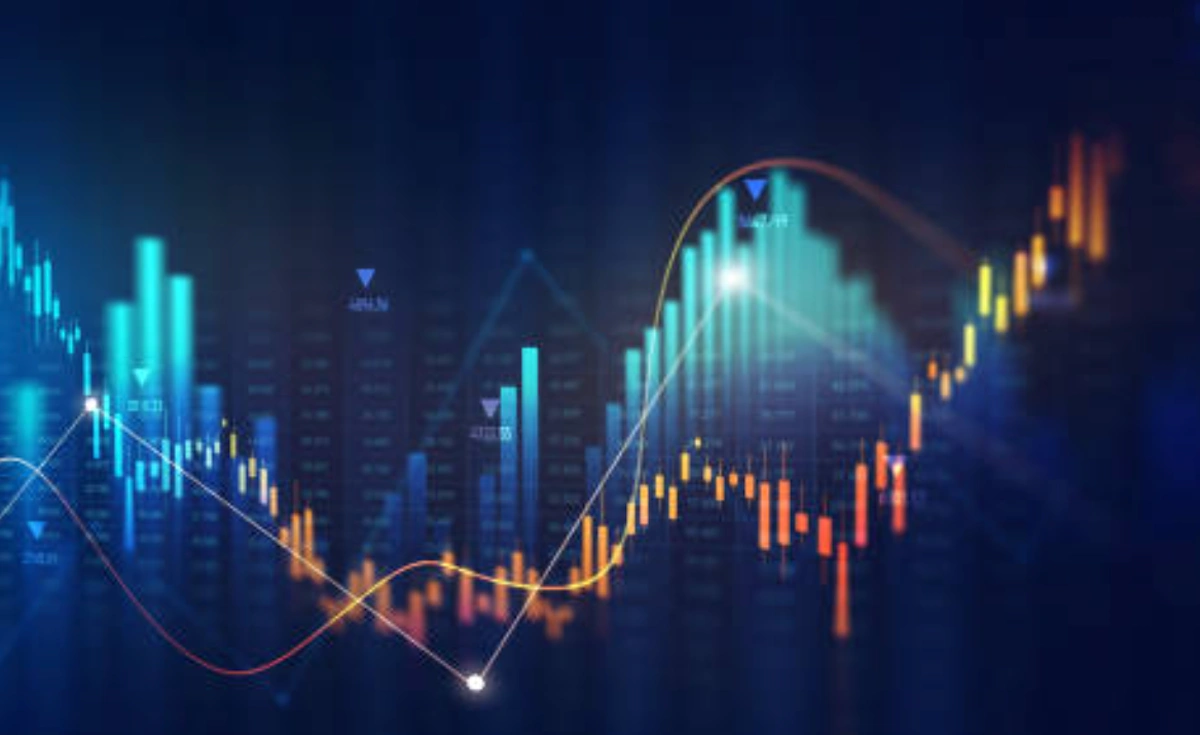
Let’s start with just how big this rally has been. The S&P 500 — the index that tracks 500 of the largest US companies, and the number most people mean when they say “the stock market” — has delivered a total return of 22% over the past year alone. Zoom out further, and the numbers get even more dramatic: 76% growth since 2023, and 327% over the past decade. In plain terms, money invested in the stock market ten years ago has more than quadrupled.
That kind of growth normally sounds like great news for everyone. The catch is who actually owns most of those stocks.
Who Actually Owns All That Growth
Stock ownership in the US isn’t spread out evenly — not even close. The wealthiest 20% of American households now account for 57% of all consumer spending nationwide, according to the Dallas Federal Reserve. And when it comes to spending that’s directly tied to stock market gains specifically, the concentration is even sharper: roughly three-quarters of the extra spending created by this rally comes from that same top 20% of earners, according to Joe Brusuelas, chief economist at RSM US. By his estimate, the market has generated about $53 billion in extra spending over the past year — most of it flowing through people who were already comfortable.
It’s not only that wealthy households have more money to begin with. It’s also about the kind of wealth they hold. Wealthier Americans are far more likely to own homes, and many of them locked in ultra-low mortgage rates — some below 3% — during the pandemic. Combine that with years of rising home prices and a soaring stock portfolio, and you get a group of people who feel significantly richer on paper, even before they touch their actual paycheck.
Michael Pearce, chief US economist at Oxford Economics, has pointed out that these paper gains are translating directly into real-world spending. Rising share prices, he’s noted, have become a major driver of discretionary spending — things like dining out, travel, and non-essential purchases — among older, wealthier households, who now account for more than half of all spending in those categories.
A Simple Way to Picture It: The “K-Shaped” Economy
Economists have a name for what’s happening: a K-shaped economy. Picture the letter K. One line shoots upward — that’s wealthier households, riding stock and home value gains higher and higher. The other line drops downward — that’s everyone else, dealing with high prices and stagnant wages without a stock portfolio to cushion the impact. Both groups started from the same point, but they’re heading in completely opposite directions.
“It’s a K-shaped market, and it’s a K-shaped economy,” says Heather Long, chief economist at Navy Federal Credit Union. She points out that this split makes the whole economy more fragile than it looks: with two very different groups pulling the economy in opposite directions at once, a downturn would hit from multiple angles simultaneously rather than just one.
This split also explains a confusing survey result: consumer sentiment — basically, how good or bad people say they feel about the economy — is sitting near record lows, even while total spending is actually rising faster than it did last year, according to monthly depositor data tracked by the Bank of America Institute. People aren’t imagining things when they say the economy feels bad. They’re just not the ones benefiting from the part of it that’s doing well.
Why This Rally Is Riding on a Surprisingly Small Number of Companies
Here’s another detail worth knowing: this stock market boom isn’t spread evenly across industries either. A full third of the S&P 500’s total value now comes from a single sector — technology. Even more strikingly, nearly one-fifth of the entire stock market’s value comes from computer chip companies alone, largely thanks to the artificial intelligence boom.
That’s a lot of weight resting on one industry. So is this a bubble waiting to pop, like the dot-com crash of the early 2000s? Most economists don’t think so — at least not yet. Unlike many dot-com-era companies, today’s AI and chip businesses have real revenue and real customer demand behind them. But concentration is still concentration: when one sector makes up this much of the market, a stumble there would ripple through everyone’s retirement accounts and investment portfolios, not just tech investors.
The Uncomfortable Trade-Off Nobody Can Easily Fix
Here’s where it gets genuinely tricky, and why economists describe this as a real dilemma rather than a simple problem with an obvious fix.
The case for worrying about inequality: It’s clearly unfair, and arguably unsustainable, for an entire economy’s spending engine to depend on the fortunes of the wealthiest fifth of the population. If everyday wages and household finances for the other 80% aren’t improving, that’s a real problem regardless of what the stock market is doing.
The case for leaving it alone, at least for now: If the rally stopped — say, the AI boom cooled off or stock prices dropped sharply — the spending that’s currently propping up restaurants, retailers, travel companies, and plenty of other businesses could dry up fast. That wouldn’t just hurt wealthy investors; it could cost jobs and slow the whole economy, hurting the very people the rally is currently leaving behind. As Long puts it, the biggest danger right now isn’t the imbalance itself — it’s what happens if a downturn hits while that imbalance is still in place.
That’s the Catch-22 at the center of this story: the very thing making the economy feel unfair to most people is also, right now, one of the main things holding it up.
What This Means for Regular People
If you’re not in the top 20% of earners, this story probably matches what you’ve already been feeling: prices are up, wages haven’t kept pace, and headlines about record stock highs don’t feel like they apply to your life. That instinct is backed up by the data — the benefits of this rally really are concentrated, not broadly shared.
Practically speaking, this also means the health of the broader economy — job growth, business spending, how easy it is to find work — is currently more tied to stock market performance than usual, even for people who don’t own many stocks themselves. A sharp market downturn wouldn’t just be a headline for investors; given how much of today’s spending it supports, it could show up in job losses and slower business activity across the board.
The Takeaway for Everyday Americans
The stock market and the economy aren’t the same thing — but right now, they’re more tangled together than usual. A relatively small group of wealthy, stock-owning, homeowning Americans is generating an outsized share of the spending keeping businesses running, while most other households are stuck riding out high prices without that same cushion. It’s an uncomfortable, K-shaped arrangement with no easy fix: unwind the imbalance and risk pulling the rug out from under the whole economy, or let it continue and risk deepening a divide that’s already straining how ordinary people feel about their financial lives.
Frequently Asked Questions
What does “K-shaped economy” mean?
It describes an economy splitting into two very different paths at once — one group (usually wealthier households) doing increasingly well, while another group falls further behind, resembling the two diverging lines of the letter K.
Is the AI stock boom a bubble like the dot-com crash?
Most economists say no, at least for now, because today’s leading AI and chip companies have real revenue and demonstrated demand, unlike many dot-com-era companies that had little underlying business behind their stock prices.
Why does the stock market matter if I don’t own stocks?
Because so much current economic activity — spending at restaurants, retailers, travel companies — is fueled by wealthy, stock-owning households feeling richer from their portfolios. If that spending slows because of a market downturn, it can affect jobs and business activity broadly, even for people who don’t personally invest.