Starting a business is exciting. It promises independence, financial freedom, and creative control. But before launching, every founder must clearly understand one critical question: what must an entrepreneur assume when starting a business?
The difference between businesses that survive and those that fail often comes down to expectations. Entrepreneurs who prepare for reality—not fantasy—build stronger foundations and make smarter decisions.
Let’s explore the key assumptions every entrepreneur must make before opening their doors.
1. Assume It Will Take Longer Than Expected
Most new entrepreneurs underestimate the time required to:
- Develop a product or service
- Build brand awareness
- Gain customer trust
- Generate consistent revenue
Success stories may look fast from the outside, but they usually involve months (or years) of groundwork. For example, stories like this detailed guide on building a vending machine empire show that consistent systems and patience are crucial.
Assume growth will be gradual—and plan financially and emotionally for that timeline.
2. Assume You Will Face Financial Pressure
Cash flow is the lifeline of any business. One of the most important answers to what must an entrepreneur assume when starting a business is this:
Revenue will not be predictable at first.
Even businesses that grow rapidly—like this food truck that reached $22,000 per week in 7 months—started with uncertainty and risk.
Entrepreneurs must assume:
- Initial profits may be low
- Unexpected expenses will arise
- Personal financial sacrifice may be required
Build an emergency buffer before launching.
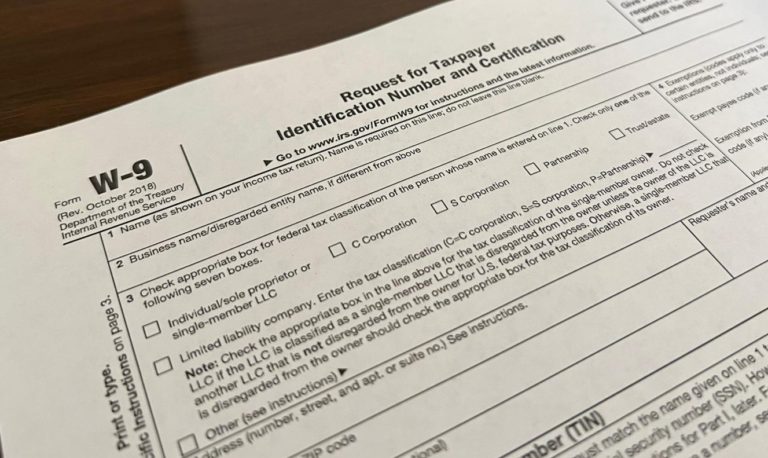
3. Assume You Must Handle Legal Requirements Properly
Many entrepreneurs focus on marketing and product development but overlook compliance. This is a costly mistake.
You must assume that:
- Licenses are mandatory
- Tax obligations are complex
- Business structures impact liability
If you’re starting in the United States, this guide covers essential legal steps to start a business.
Ignoring legal requirements can shut down your business before it even begins.
4. Assume You Will Wear Multiple Hats
In the early stages, you are:
- CEO
- Marketing manager
- Customer service rep
- Accountant
- Operations manager
Even highly successful businesses started lean. For example, this Seattle hot dog stand scaled into a $40,000/month business with almost no startup capital.
Behind that growth was versatility and relentless involvement from the founder.
Be ready to handle everything—at least in the beginning.
5. Assume Competition Is Stronger Than You Think
No matter how unique your idea feels, competitors already exist. Entrepreneurs must assume:
- Customers compare prices
- Reviews influence decisions
- Branding matters
- Differentiation is essential
Take inspiration from niche businesses like a coconut oil brand, which thrives by targeting specific audiences.
Your success depends on identifying and communicating your unique value.
6. Assume Growth Must Be Measured
Hope is not a strategy. Successful entrepreneurs track data.
You must assume that:
- Growth needs to be calculated
- Metrics determine sustainability
- Numbers guide smart decisions
Understanding growth rate can transform your business planning.
Without measurable goals, progress becomes guesswork.
7. Assume Personal Resilience Is Required
Entrepreneurship tests mental strength. There will be:
- Rejection
- Slow sales
- Operational mistakes
- Market shifts
Consider the story of a Ukrainian immigrant woman who built a luxury car rental empire in Miami.
Her journey demonstrates that persistence often matters more than perfection.
Assume setbacks are part of the process—not signs to quit.
8. Assume Marketing Is Your Responsibility
Many new founders assume “a good product sells itself.” That’s rarely true.
Entrepreneurs must assume:
- Marketing is ongoing
- Social proof is powerful
- Branding affects perceived value
- Content drives traffic
Visibility determines survival.
9. Assume Systems Matter More Than Motivation
Motivation gets you started. Systems keep you profitable.
Every scalable business—from vending machines to food trucks to rental empires—relies on repeatable systems.
If you don’t create processes for:
- Sales
- Inventory
- Customer service
- Accounting
You will eventually hit a ceiling.
10. Assume Success Is Earned Daily
The final and most powerful answer to what must an entrepreneur assume when starting a business is this:
No one owes you success.
Markets reward:
- Value
- Consistency
- Adaptability
- Customer focus
Entrepreneurship is not a single decision—it’s a daily commitment.
So, what must an entrepreneur assume when starting a business?
You must assume:
- It will take time
- It will require sacrifice
- It will demand resilience
- It will test your discipline
- It will reward strategic thinking
But most importantly, assume that your results will reflect your preparation.
When expectations match reality, your chances of building a sustainable and profitable business increase dramatically.
Entrepreneurship isn’t easy—but for those who prepare wisely, it can be life-changing.