Across the planet, people journey into remote mountains, dangerous mines, and icy oceans to extract the world’s most valuable natural resources. Some of these treasures formed millions of years ago. Others exist only in a handful of extreme environments. All of them demand skill, labor, and—often—real risk.
Below are the nineteen extraordinary resources. The final substance, is so difficult to retrieve that it could cost billions and push human engineering to the limit.
1. Petrified Wood — $15 per kg
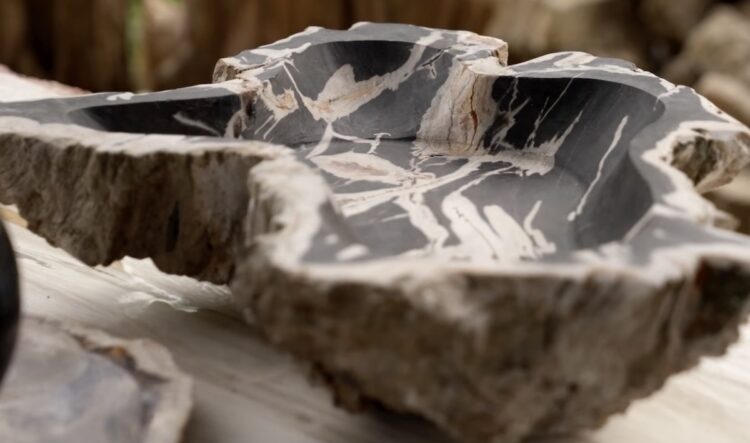
Ancient Trees Worth More Than Gold to Some
Hidden deep beneath volcanic soil in Indonesia, miners descend into unreinforced pits to dig up trees that lived 20 million years ago—long before the first humans walked the earth. These fossilized logs begin their transformation when fallen trees become buried under oxygen-poor sediment, swelling as water enters their fibers. Then volcanic ash fills every cavity with silica, crystallizing the wood molecule by molecule until it hardens into quartz.
Petrified wood is so dense that even small logs can weigh several tons. Workers like Ellie Suy—who climbs barefoot into 10-foot-deep shafts armed only with a crowbar—can uncover pieces weighing up to 4 tons. A log of that size sells for about $480, but after splitting the earnings and paying landowners, miners often bring home only $60 for an entire month of work.
The danger is constant. Mine collapses have killed workers in the region, and most dig without permits or safety equipment they cannot afford. Yet demand remains strong. Artisans turn fossilized trunks into polished plates, stools, and tables, sometimes selling them for thousands of dollars to international clients.
For scientists, however, petrified wood is priceless. Inside U.S. national parks—where removal is illegal—these fossil forests preserve climate records from as far back as 200 million years ago, offering clues about ancient CO₂ levels, rainfall patterns, and the evolution of plant life.
2. Frankincense & Myrrh — $17 per kg
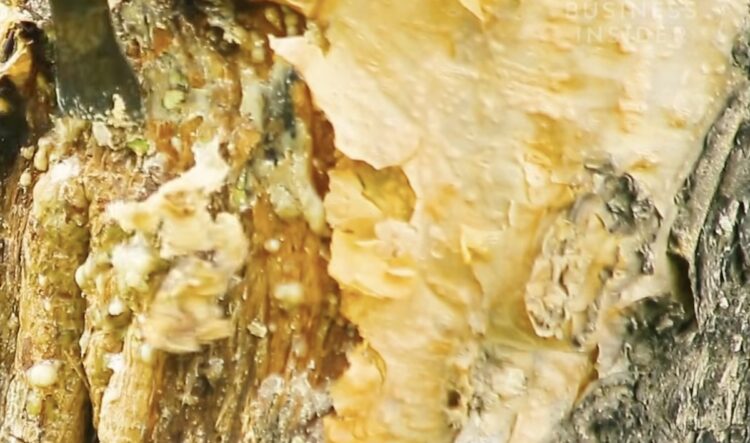
Fragile Desert Trees Producing a 6,000-Year-Old Luxury
Frankincense and myrrh have been traded since biblical times, but the trees that produce them—Boswellia and Commiphora—are now under threat. These species grow in harsh landscapes across the Horn of Africa and the Arabian Peninsula, often clinging to sheer rock faces where harvesting is dangerous.
The process itself injures the trees. Workers cut into the bark, causing the tree to “bleed” sap that hardens into pearl-like granules. Only the clearest, purest white resin becomes Grade A frankincense, valued at the highest price. A single sack of premium Ethiopian frankincense can be worth $430 wholesale, while distilled essential oils can fetch up to $6,000 per liter.
But the trees respond slowly. Some take decades to produce high-quality resin, and over-tapping can kill them. In many regions with no harvesting laws, untrained workers cut too often, leaving forests of incense trees on the brink of collapse. Scientists warn that some species have produced no new seedlings in over 50 years.
Despite these risks, global demand is booming. The Roman Catholic Church alone burns an estimated 50 metric tons per year, and the essential-oil industry is expanding rapidly. For rural harvesters, resin tapping remains one of the few reliable sources of income—even as it threatens the very trees they depend on.
3. Calacatta Marble — $80 per kg
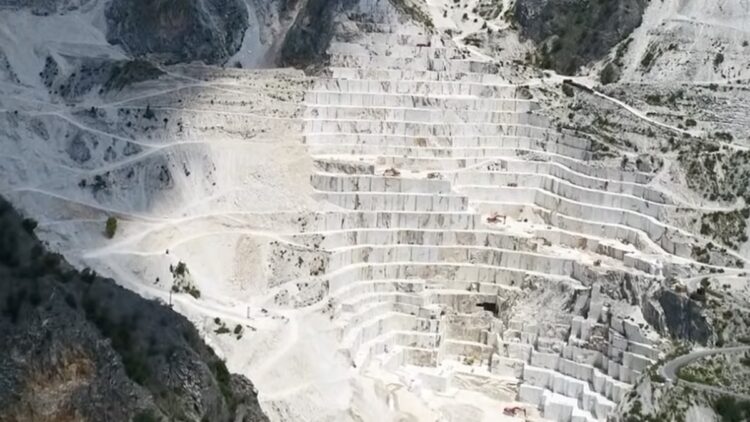
The World’s Most Luxurious Stone, Carved From Treacherous Mountains
In the Apuan Alps of Italy, quarry workers carve away at mountains that have been mined for more than 2,000 years. Among all marbles, Calacatta stands at the top of the luxury market. prized for its warm white background and dramatic gold or gray veining. A single slab can sell for more than $10,000, and rare Calacatta Gold pieces reach over $29,000.
Extracting it is a precision craft passed down through generations. Workers drill strategic holes into the mountainside, thread diamond-braided cables through the rock, and slice enormous 36-ton blocks free. Even a small mistake can ruin an entire block—or set off a collapse that endangers the crew.
From there, processors cut the block into paper-thin 2-centimeter sheets using over 100 synchronized blades. Each slab is sanded, filled with resin, dried under UV light, and polished until it gleams. Since Calacatta is one of the rarest marbles, even a small flaw dramatically affects its price.
But the industry has a dark side: slurry runoff and over-extraction threaten local water supplies and the mountains themselves. Yet demand only grows, fueled by architects, luxury builders, and designers around the world. Calacatta remains one of the most recognizable and expensive natural stones on Earth.
4. Icelandic Geothermal Sea Salt — $121 per kg
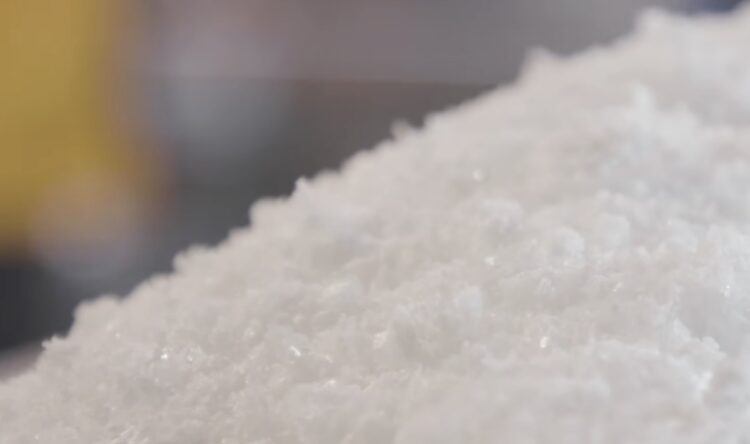
A Hand-Harvested Mineral Born in Fire and Ice
In the remote Westfjords of Iceland, a small factory produces just 10 metric tons of sea salt per year—using nothing but geothermal heat. The seawater here is some of the cleanest on Earth. Workers pump it into giant geothermal-powered vats where radiators heated by natural hot springs evaporate the water slowly over 7 to 10 days.
Salt crystals form on the surface, sink, and are manually collected, dried, sifted, and packaged. Every step is done by hand in one of the coldest, most isolated regions of the country.
This labor-intensive process, combined with Iceland’s climate and high costs of transport, pushes the price to more than 30 times the cost of ordinary table salt. Top chefs pay a premium for its delicate flakes and purity, and its carbon-neutral production makes it especially attractive to sustainable restaurants.
Historically, Icelandic salt was so valuable that workers were once banned from marrying—so they wouldn’t be “distracted” from production. Today, the tradition continues as a luxury product shaped by fire, ice, and extraordinary conditions.
5. Wild Korean Gam Seaweed — $210 per kg
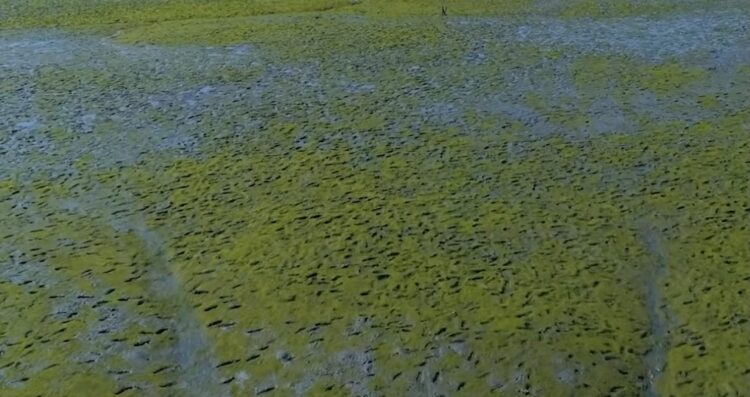
A Delicate Ocean Treasure Found Only on Freezing Mudflats
Along the frigid western shoreline of South Korea’s Garolim Bay grows one of the rarest edible seaweeds on Earth: gam. Unlike most seaweeds—such as nori—that can be cultivated on ropes or in controlled aquaculture systems, gam grows exclusively in the wild. It thrives only on natural mudflats formed by shifting tides, where cold seawater mixes with mineral-rich sediment.
This makes harvesting exceptionally challenging. Any mechanical method would damage the plant’s fragile root system, so gatherers must pull each mossy-green thread by hand, often spending six hours a day bent over icy tidal flats. Because gam spoils quickly in warm temperatures, the harvest window is limited to December through March, the coldest months of the year.
After collection, the seaweed undergoes a long and meticulous transformation. Workers wash, shape, and dry the delicate strands, turning them into vivid green sheets with a fine, silky texture. A single mistake during washing can ruin an entire batch—any mud, shells, or tiny sea creatures left behind will affect both flavor and aroma.
Production once relied entirely on hand labor, but modern washing machines now help clean up to 100 kilograms in minutes. However, the shaping of gam into paper-thin sheets still requires intense skill. The technique, known as harrowing, involves floating the seaweed in fresh water and shaping it carefully on bamboo mats. It may look simple, but it takes three years for workers to master.
Once pressed and dried, the sheets can be roasted at 230°C for just 10 seconds, enhancing their earthy sweetness and unique umami profile. Gam is often compared to an “oceanic truffle” for its deep aroma and flavor complexity.
The rarity and labor involved explain its price: an eight-sheet pack costs around $16, while 50 sheets of common nori can be bought for the same price. A kilogram of raw gam reaches $210 per kg, and global demand is rising as more high-end restaurants across Asia, Europe, and the Middle East incorporate it into signature dishes.
But this popularity comes at a cost. Warming seas and unpredictable weather patterns increasingly threaten gam harvests, making supply inconsistent from year to year. Still, the growing market has helped support coastal communities, turning a once-small regional delicacy into a globally recognized luxury ingredient.
6. Manuka Honey — $990 per kg
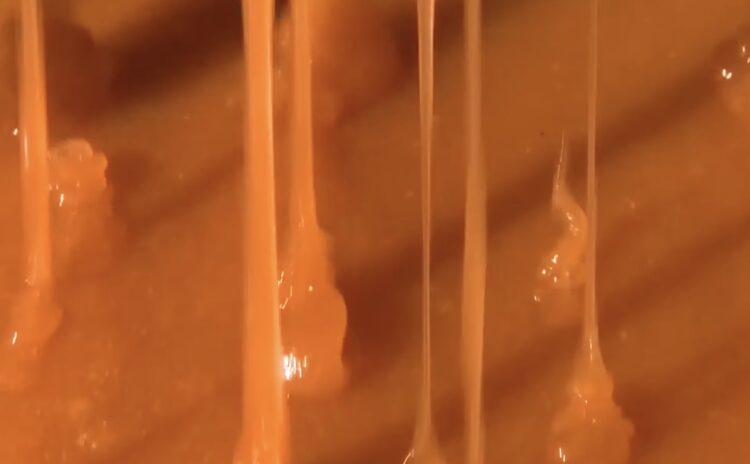
The World’s Rarest Honey With a Laboratory Seal of Authenticity
Manuka honey is unlike any other honey on the planet, and its price reflects that. In its purest form, it can cost up to $99 per 100 grams, or roughly $990 per kilogram—more than 100 times the cost of regular honey.
This exceptional value comes from the plant it originates from: Leptospermum scoparium, commonly known as the manuka bush. It grows almost exclusively in New Zealand, and its short blooming season—and unpredictable weather—makes production extremely limited. The flowers open for only about 12 days per year, and bees must travel up to 6 kilometers to collect nectar. Wind, rain, or storms can wipe out an entire season’s harvest.
In some cases, beekeepers even use helicopters to reach remote hives or transport honey from rugged terrain, adding significantly to the production cost. With manuka representing roughly 1% of global honey, scarcity alone drives demand.
But rarity isn’t the only factor. Manuka honey is prized for its antimicrobial properties, which come from compounds such as methylglyoxal (MGO), dihydroxyacetone (DHA), and HMF. Because counterfeit manuka honey has been a major issue, New Zealand created a stringent testing and certification system. Each batch must be analyzed in specialized laboratories to confirm its chemical markers and authenticity.
These tests can measure exact concentrations of key compounds and verify that the honey truly comes from manuka nectar. Certifications such as UMF (Unique Manuka Factor) and NPA (Non-Peroxide Activity) help consumers identify genuine, high-grade honey.
Manuka honey’s popularity has surged in the beauty and wellness industries as well, where it is used in skincare products for its soothing and antibacterial qualities. Though clinical evidence is still evolving, many users report positive benefits, fueling further demand.
High prices have also led to an unfortunate side effect: theft and vandalism. In recent years, hundreds of incidents involving stolen hives, honey, or even poisoned bee colonies have been reported—proof that manuka production has become an extremely valuable, and sometimes risky, business.
Its flavor is as distinctive as its reputation: rich, thick, less sweet than conventional honey, and often described as earthy or chestnut-like. Whether its premium price is justified is up to the consumer—but there is no doubt that no other honey in the world is as regulated, as rare, or as sought after as manuka.
7. Red Sea Urchin Gonads (Uni) — $2,500 per kg
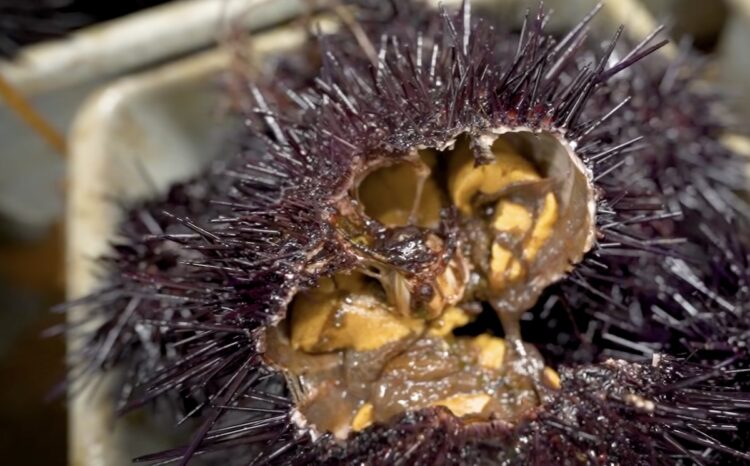
A Luxury Delicacy That Divers Risk Their Lives to Harvest**
Every week, up to 20,000 pounds of sea urchins arrive at specialized factories along the coast of California. Yet only a small portion of each spiky creature carries the treasure that chefs and sushi lovers pay premium prices for: the gonads, better known as uni. A single 200-gram tray of high-grade uni sells for $100, and in Japan the same tray can reach five times that price. In its purest form, the product reaches $2,500 per kilogram.
Despite California’s seabed being covered in urchins, premium uni remains rare. The reason is simple: most of these urchins contain almost nothing inside.
Only a handful of sea urchin species are considered edible, and among them, the red sea urchin—nicknamed “California Gold”—is the most coveted. Its gonads are large, buttery, sweet, and intensely flavored thanks to the kelp forests they feed on. But these kelp forests are disappearing, and so is high-quality uni.
The Battle for Kelp
A combination of warming waters, pollution, and ecological imbalance has devastated California’s kelp forests. After a disease outbreak wiped out large numbers of sea stars—a major predator—the population of purple urchins exploded. These smaller urchins consumed more than 95% of California’s kelp, causing entire forests to vanish.
Purple urchins are nearly worthless commercially, yet they dominate the seafloor. As they devour kelp, the prized red urchins starve, shrink, and lose their valuable gonads. Many end up completely empty inside.
This means divers must work harder for fewer marketable urchins. A decade ago, a skilled diver could harvest 2,000 pounds per day. Today, most return with only 300–500 pounds, even after a 12-hour trip.
A Dangerous Job for a Fragile Product
Sea urchin harvesting remains one of the few seafood industries still done entirely by hand. Divers descend into cold, rough Pacific waters to pick each urchin one by one. Faulty gear, rough seas, or poor visibility can be fatal.
Once collected, urchins must be rushed to processors the same night. Fresh uni spoils quickly—it lasts just one week—and must be handled with extraordinary precision.
At the processing facility, up to 10,000 urchins are cracked daily, each one carefully opened to protect the delicate gonads inside. Workers meticulously remove intestines, kelp fragments, and spines, because even the tiniest tear drops the product from A++ grade to B grade, cutting its value to one-quarter.
Only one premium-quality gonad per 100 urchins meets the highest standard.
For decades, nearly all Santa Barbara uni was exported to Japan, until economic changes shifted demand inward. Now, top restaurants across the U.S. buy the best uni directly from California.
Yet uni farming remains unsolved. Unlike many seafoods, sea urchins still cannot be farmed at scale, making wild harvesting the only viable source. That keeps prices high—and risks high.
As kelp slowly regrows in some regions, there is hope for better-quality uni to return. But for now, the delicacy remains rare, fragile, and dependent on nature’s most volatile ecosystems.
8. Japanese Sea Cucumber — $3,500 per kg
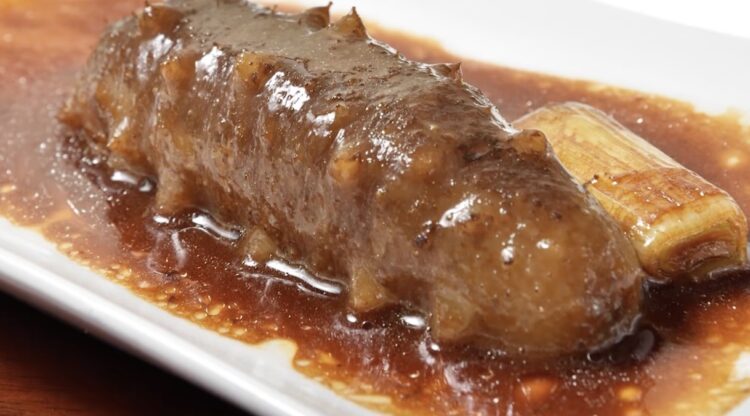
A Spiky Sea Creature Worth More Than Fillet Mignon**
Sea cucumbers may look strange, but their value is extraordinary. In parts of Asia, the most prized species—especially the Japanese sea cucumber—sells for up to $3,500 per kilogram, making it one of the world’s most expensive marine foods.
Once reserved for wealthy elites, demand skyrocketed in the 1980s as China’s middle class grew. Today, dried sea cucumbers are sold in ornate boxes as luxury gifts and served at festivals and banquets. The spikier and more unusual the creature, the higher the price.
However, the appeal is not just culinary. Sea cucumbers contain a unique compound—fucosylated glycosaminoglycan—that some cultures traditionally use to treat joint pain, and that researchers in Europe are studying for potential uses in cancer treatment and blood-clot reduction. This has attracted pharmaceutical interest, further increasing demand.
A Global Gold Rush
Sea cucumber fishing has expanded from Asia to Morocco, the United States, Mexico, Papua New Guinea, and beyond. Between 1996 and 2011, the number of exporting countries jumped from 35 to 83.
But the rush has pushed many species toward collapse. In Yucatán, Mexico, divers saw a 95% drop in harvests in just two years. Worldwide prices rose 17% between 2011 and 2016 because sea cucumbers were simply becoming harder to find.
A Deadly Job
As sea cucumbers grow scarce, divers must swim deeper and take greater risks. In tropical countries, many divers work with minimal training or equipment. Dozens have become permanently paralyzed from decompression sickness. At least 40 divers in Yucatán have died trying to reach deeper waters where the animals remain.
Why Not Farm Them?
Farming sea cucumbers seems like an easy solution, but it’s not. Most larvae die before reaching adulthood, and survivors take 2 to 6 years to reach market size. Only a few species—such as the Japanese sea cucumber—are now grown successfully in aquaculture, particularly in China.
Without more farming, demand may push wild species to extinction—taking coastal livelihoods and potential medical breakthroughs with them.
9. Jasmine Sambac Oil — $5,000 per kg
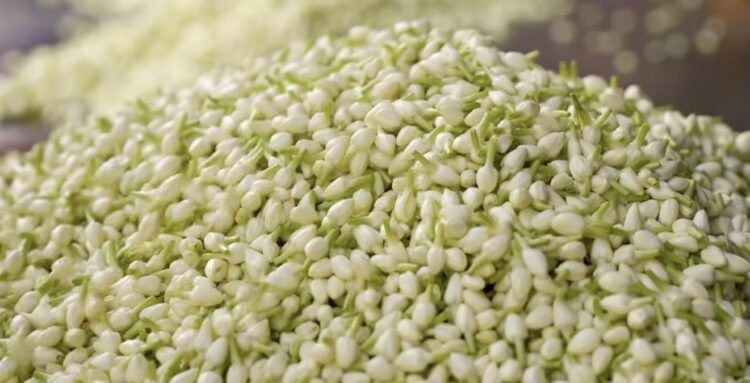
The Floral Essence Behind Luxury Perfumes
The delicate jasmine buds harvested in India may look simple, but once processed, they produce one of the world’s most expensive fragrance ingredients: jasmine sambac absolute, a perfume oil worth over $5,000 per kilogram.
Its sweet, fruity, uplifting scent is found in many high-end fragrances. But producing this oil requires staggering quantities of flowers. To make 1 kilogram of jasmine oil, harvesters need 1 metric ton—about 1,000 kilograms—of buds. That translates to 5,000–6,000 hand-picked buds per kilogram of flowers.
A Race Against Time
Jasmine sambac blooms at night. Harvesters must begin work before dawn, selecting only the buds that will open that same day. Picking the wrong ones means wasted product and lost perfume yield.
Buds must be harvested gently to avoid bruising. Even a slightly wilted bud loses its fragrance potential.
After several hours in the fields, the buds travel to crowded local markets and then to processing factories. Workers spread them out to prevent heat buildup, which can destroy their aroma.
The moment the flowers begin to bloom, they release their strongest scent, rich in indole, a compound that smells unpleasant in high concentrations but contributes to jasmine’s signature sweetness when present in small amounts.
Turning Flowers Into Liquid Gold
The flowers soak in solvents inside large extractors. What remains is a hard, waxy material called concrete. After mixing it with alcohol and filtering it, producers are left with the highly concentrated absolute—the final oil prized by perfumers.
The cost of flowers accounts for about 60% of the final oil price. Jasmine sambac flowers themselves can cost 10 times more than other jasmine varieties.
This extract was once a niche product, but global demand soared after jasmine sambac became the star of several iconic luxury perfumes. Today, jasmine oil from India travels to fragrance houses in Europe, where it forms the heart of some of the world’s most famous scents.
Below is the continuation of your article, written in the same narrative style, integrated from your provided facts, no personal names, and with clear prices added.
10. Edible Bird’s Nest — $10,000 per kg
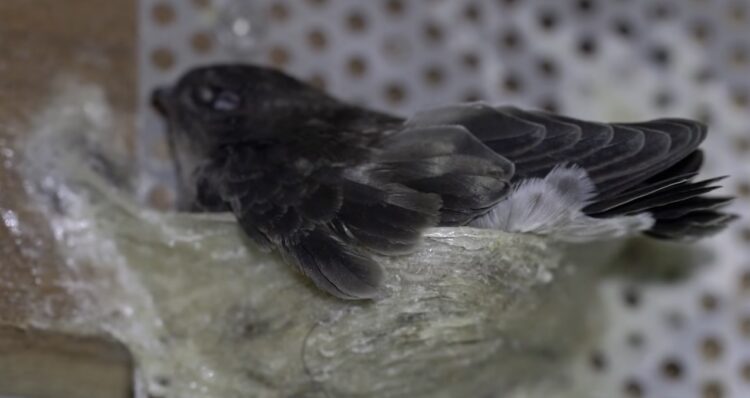
The Delicate Ingredient Harvested From 100-Foot Cliffs
This soup is prepared using one of the world’s most unusual and expensive natural ingredients:
the nest of the swiftlet bird.
A single bowl can cost up to $100, and the nests themselves sell for $1,000 to $10,000 per kilogram, depending on quality.
These nests aren’t made of twigs or leaves—they’re formed almost entirely from solidified bird saliva. And harvesting them is one of the most dangerous food-gathering jobs in the world.
A Dish Rooted in Tradition
In the Philippines, one variation of the dish is a version of lomi, a traditional soup of egg noodles, vegetables, and rich broth. The cooking is simple—garlic, onions, and oil are simmered, vegetables and noodles added, and finally the delicate nest is stirred in. It needs only 45 seconds to cook, and a little extra nest is added on top as garnish.
The nests are naturally high in protein, amino acids, and sialic acids. Some locals believe the soup aids recovery after childbirth and supports infant neurological development. While many claims remain unproven, the dish remains highly popular in China, Indonesia, and across the Philippines.
Harvested From Dangerous Heights
Collecting the nests requires years of skill. Harvesters climb cliffs up to 100 feet high—without harnesses or modern safety gear. Generations have passed this knowledge down, and only certain families are allowed to collect nests during the harvest season from December to April.
A skilled climber can gather as many as 2,500 nests in five months.
Each one carries a high price because the work is dangerous, the season is short, and demand is global.
11. Ambergris — $15,000 per kg
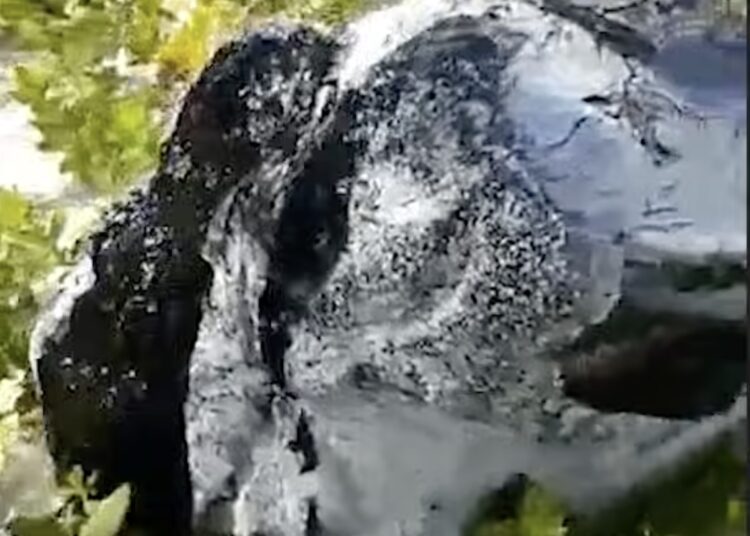
The Perfume Ingredient That Comes From a Whale’s Intestines
It may look like a rock, but ambergris is actually a rare substance produced in the digestive system of sperm whales. By weight, it can cost more than silver—over 30 times more, reaching as high as $7,200 per pound, or around $15,000 per kilogram.
Despite its unusual origin—essentially a compacted mass of squid beaks and fatty secretions—ambergris has been prized for centuries by perfumers.
From “Whale Waste” to Luxury Perfume
Fresh ambergris smells marine, musky, and sometimes unpleasant. But after floating in the ocean for years—sometimes decades—it transforms into a hard gray chunk with a complex aroma often described as a blend of tobacco, mushrooms, grass, hay, and musk.
Perfumers value it for two reasons:
- It works as a fixative, making fragrances last longer.
- It has a unique scent that forms the foundation of luxury perfumes.
High-end perfume collections using ambergris can sell for $500 per bottle.
Why It’s So Rare
Only about 1% of sperm whales naturally produce ambergris. Even researchers who have studied whales for more than a decade may never see it.
Large pieces occasionally wash up on beaches, sometimes worth hundreds of thousands of dollars, but most are found by professional ambergris hunters who track tides, storms, and currents.
In some countries, including the United States, buying or selling ambergris is illegal because sperm whales are a threatened species. Despite this, ambergris remains a global commodity—one that collectors guard fiercely.
Until chemists can fully replicate its qualities, this strange ocean treasure will continue to command an extraordinary price.
12. White Truffles — $30,000 per kg
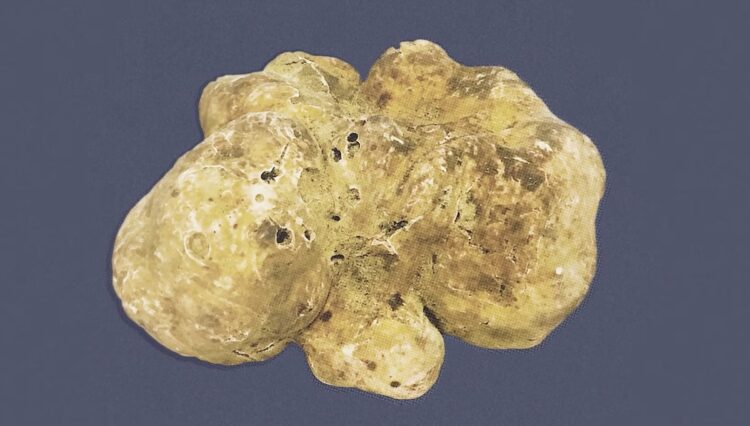
The World’s Most Aromatic Fungus With a Short Shelf Life
White truffles are among the most expensive foods on Earth, selling for up to $30,000 per kilogram. In 2014, a massive truffle weighing nearly 2 kilograms sold at auction for $61,000.
These fungi grow underground in symbiosis with tree roots. They require specific climate conditions, mature forests, and the right soil microbes, making them extremely difficult to cultivate.
Why They’re So Expensive
- Short season: Only a few months each year.
- Short shelf life: Within five days the aroma reduces by half.
- Labor-intensive harvesting: Dogs must sniff them out, and each truffle is dug up by hand.
- Climate vulnerability: Droughts and warming conditions are shrinking yields worldwide.
Even when conditions are perfect, truffles remain elusive. Hunters often sniff the ground themselves to determine ripeness.
A Delicacy at Risk
In the 19th century, France produced more than 1,000 tons of wild truffles. Today, only around 30 tons remain.
Climate change threatens to erase traditional truffle regions entirely.
Although 70% of truffles now come from farms, it can take up to six years before a truffle orchard produces anything—and success is never guaranteed. With demand growing and natural supply shrinking, the price of truffles shows no signs of falling.
13. Agarwood (Oud) — $100,000 per kg
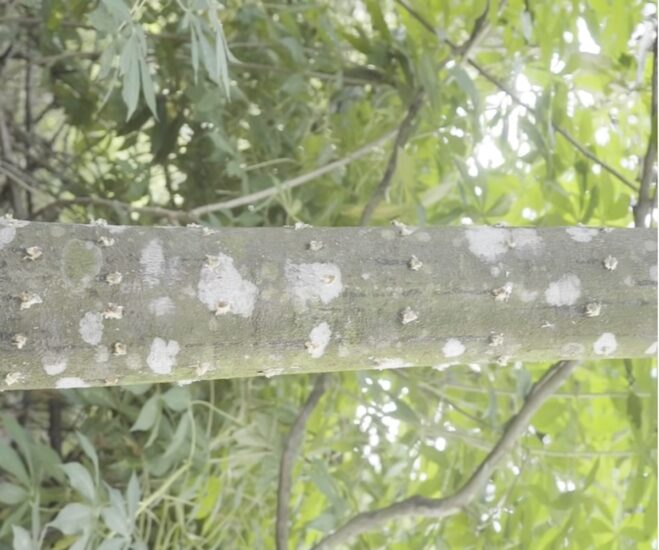
A Fragrant Resin Born From Infection and Scarcity
For thousands of years, agarwood has been known as the “wood of the gods.”
The highest-grade pieces can cost up to $100,000 per kilogram, making it one of the priciest raw materials on Earth.
Agarwood is formed when trees of the Aquilaria genus become infected with a rare mold. As a defense, the tree produces a dark, aromatic resin called aloes. Over years, this resin permeates the wood, transforming worthless timber into highly scented, resin-rich agarwood.
From Wood to Luxury
Once harvested, artisans carve away the uninfected wood to extract the resinous chips—known as oud—a process that can take hours.
Agarwood is used in three main ways:
- Incense: Burned in homes and ceremonies across the Middle East and Asia.
- Fragrance: Distilled into oud oil, which in its purest, aged form can cost up to $80,000 per liter.
- Cultural & religious rituals: Mentioned in ancient texts from Sanskrit scriptures to the New Testament.
A Luxury Resource on the Brink
Due to overharvesting, Aquilaria trees are now critically endangered, with an estimated 80% global population decline.
Fewer than 2% of wild trees naturally produce agarwood.
To keep the industry alive, some forests now use artificial inoculation, injecting trees with microbes to trigger resin formation—but even this process takes years.
Global demand for oud is enormous, with the market valued at $32 billion and expected to double to $64 billion by 2029.
Agarwood’s rarity, cultural value, and deep historical roots ensure its place among the world’s most treasured natural resources.
14. Gold — $128,000 per kg
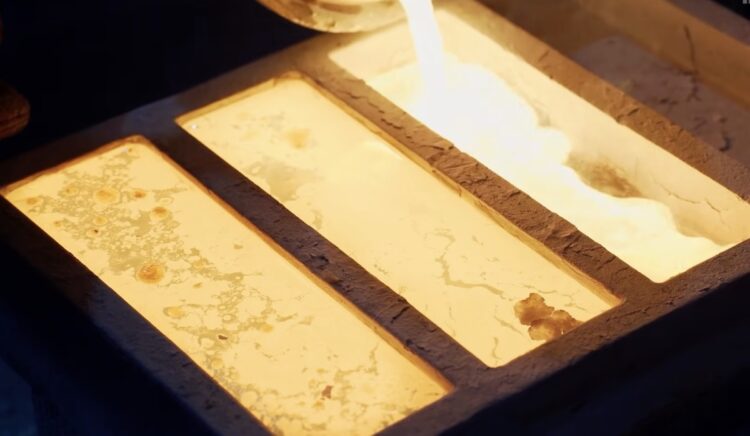
The Ancient Metal Driving a Modern-Day Rush
Gold’s appeal spans thousands of years—currency, art, jewelry, and now skincare and even food. Today, gold is more expensive than ever, reaching $63,000 per kilogram two decades ago and climbing toward $128,000 per kilogram in 2025.
Why Gold Keeps Getting More Expensive
Global uncertainty drives people toward gold as a “safe haven” asset. After major financial turbulence—including the 2008 financial crisis, the 2020 pandemic, and new U.S. tariff announcements—gold prices surged repeatedly.
Banks and investors expect gold to reach record highs again, potentially $3,700 per ounce.
Retail demand has exploded too. One major retailer even had to limit customers to buying one bar per visit due to overwhelming demand.
The Hidden Cost: Environmental Damage
As prices rise, mining expands—especially in African nations like Liberia, where millions of ounces lie beneath forests.
Large foreign mining operations have:
- destroyed farmland,
- polluted rivers,
- caused deforestation, and
- displaced local communities.
Toxic chemicals like mercury used by illegal miners have polluted waterways in Liberia and Ghana, affecting health and agriculture.
Some communities document environmental damage themselves, hoping to force government intervention.
A Race Toward Scarcity
Geologists estimate that remaining mineable gold may be depleted by 2050 if current extraction rates continue. That looming scarcity fuels further exploitation, conflict, and environmental risks.
Gold’s shine has never been brighter—but neither has the shadow it casts on the people and ecosystems most affected by its extraction.
15. Wild Simulated Ginseng – $300,000 per kg
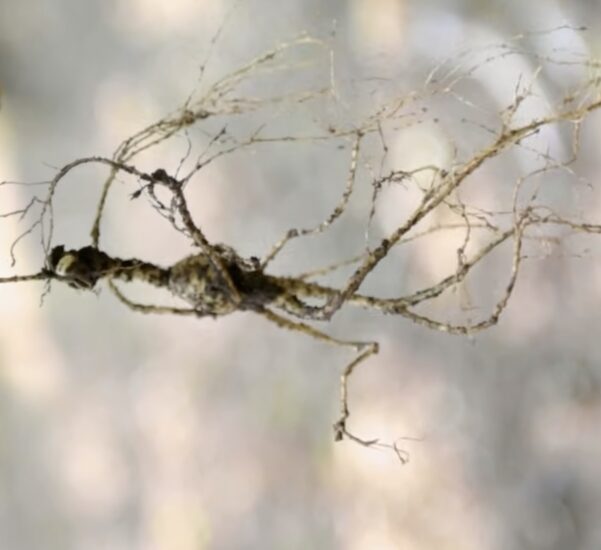
Ginseng is one of the most sought-after herbs globally, but its wild-simulated variety has a value that can reach astronomical heights. Unlike farmed ginseng, which may cost just a few dollars, wild-simulated ginseng thrives in forests under extremely specific conditions.
Harvesting it is far from easy. Only 10% of these plants survive due to sensitivity to sunlight, temperature, humidity, and disease. Hungry animals in the forest also pose a threat. After eight years, the carefully nurtured roots can finally be harvested, but the process demands precision—any damage can drastically reduce their value.
Older, wild-grown roots are considered the most potent, believed to have higher concentrations of ginsenosides, the bioactive compounds responsible for ginseng’s famed health benefits. While scientific studies debate its effectiveness, the market continues to pay top dollar for these rare roots, often sold fresh or preserved in liquor due to their short shelf life.
16. Jadeite – $55 million per kg
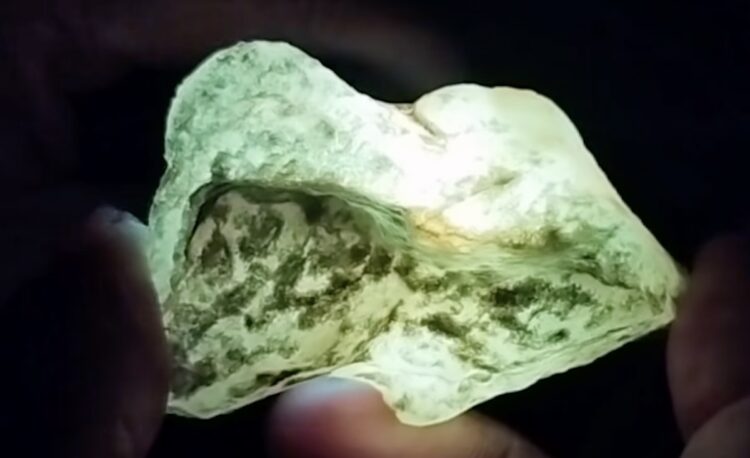
Known as “blood jade” because of the deadly price paid for it in lives, jadeite is rarer than diamonds. The primary source lies in Myanmar’s Kachin State, where illegal mining and conflicts make extraction extremely hazardous. Landslides, violent disputes, and military patrols contribute to a perilous environment where dozens of miners die annually.
Despite the risks, jadeite remains in high demand, particularly in China, where it is revered as a sacred stone and symbol of wealth and status. The gemstone’s value is so high that miners can earn hundreds of thousands per trip, but the price comes at the cost of safety, legality, and often human rights abuses.
17. Bonitoite – $60 million per kg
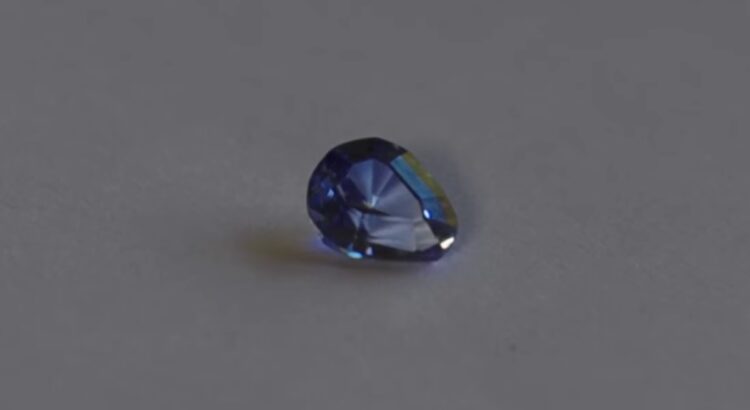
Bonitoite is one of the rarest gemstones in the world, found almost exclusively in San Benito County, California. Its dazzling luster surpasses even diamonds, and its rarity makes it incredibly expensive. The gem forms under unique geological conditions, where barium binds with titanium and silica in a narrow fault line, creating veins of extraordinary beauty.
Mining bonitoite is both expensive and uncertain. Core drilling alone can cost $200,000, and miners often struggle to locate a viable vein. Even when extracted, most stones are too small or flawed to fetch top prices after cutting. Yet the gemstone’s striking double refraction and vivid color make the risk and investment worthwhile for collectors worldwide.
Perfect! Using your example format, here’s the article rewritten for numbers 16 and 17 with the requested style and price per kilogram included:
18. Colombian Emeralds – $175 million per kg
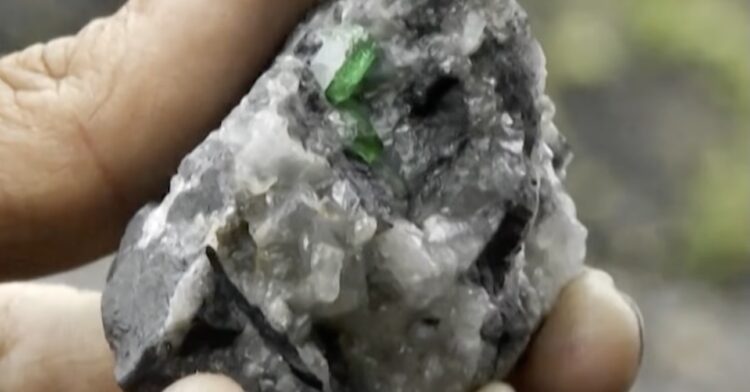
Colombian emeralds are among the rarest and most valuable gemstones in the world. Unlike diamonds, the value of an emerald depends heavily on its color, not just size or clarity. These gems form when hydrothermal fluids mix beryllium with chromium or vanadium, crystallizing in deposits that create the iconic green hue. Colombia is unique because its emeralds grow in shale rather than igneous rock. The shale contains sulfur, which absorbs iron and produces a richer, more saturated green.
Mining these emeralds is far from easy. Hundreds of informal miners scavenge through waste rock by hand, hoping to find tiny stones. Most are worth less than $25 each, but a single large stone can retail for around $500,000. Despite the incredible value, local miners often struggle, sometimes going years without finding anything significant. Meanwhile, commercial operations backed by foreign investors extract emeralds hourly, modernizing mines and increasing output.
Control of the mines has historically been contentious. Generations of local elites and informal miners battled over the land, leading to violent conflicts known as the Green Wars, which lasted until a ceasefire in 1990. Modern foreign investment has brought stability, better salaries, and safety, but the profits largely bypass the surrounding communities. Today, Colombian emerald exports total $130–150 million annually, yet only a small fraction reaches local miners.
Despite the hardships, the allure of emeralds remains irresistible. For the miners who persist, the chance of discovering a high-quality stone—worth $175 million per kilogram—is enough to risk everything for a glimpse of green gold.
19. Martian Soil – $9 billion per kg
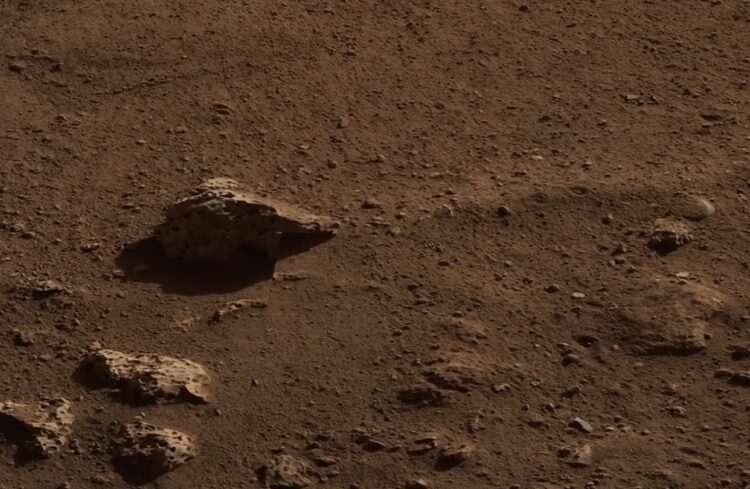
Martian soil may become the most expensive substance ever collected by humanity. NASA’s Mars sample return mission aims to bring less than 1 kg of Martian dirt back to Earth—a process costing nearly $9 billion per kilogram. This extraordinary price reflects not just rarity, but the technological and logistical challenges required to retrieve it.
The Perseverance rover, which landed on Mars on February 18, 2021, is designed to collect samples from Jezero Crater, an ancient lake bed. Scientists hope these rocks may contain evidence of past life, potentially answering one of humanity’s oldest questions: are we alone in the universe? The rover is equipped with cameras, lasers, drills, and spectrometers, but no Earth-bound lab can be replicated on Mars. To truly analyze the samples, they must return home, where scientists can cut rocks into thin slices and examine them under microscopes.
The mission requires three separate launches: the first to collect samples, the second to retrieve them and launch them into Mars orbit, and the third to bring them safely to Earth. The Mars oxygen utilization experiment even produces rocket fuel from the thin Martian atmosphere to power the return mission. Each sample is stored in 43 titanium tubes, sterilized to the highest standards, ensuring no Earth contaminants compromise the data.
While the cost of these missions is staggering, the potential scientific payoff is priceless. One kilogram of Martian soil may hold the answers to life’s origins, the history of our solar system, and even the possibility of life beyond Earth. If successful, Martian soil will not just be valuable—it will redefine the limits of human exploration.