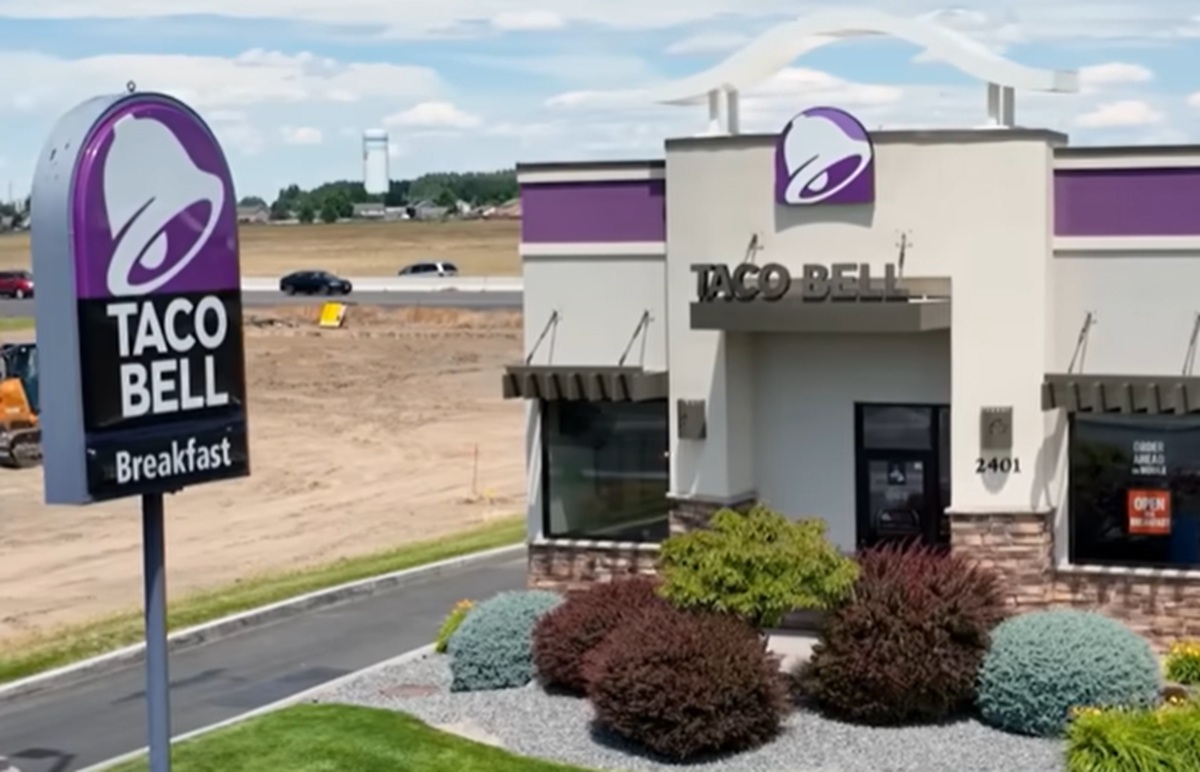
In a bold move to redefine its market identity, Taco Bell is expanding beyond tacos and burritos into the fast-growing beverage sector. Through its new concept, Live Más Café, the Mexican-inspired fast-food chain aims to capture the booming demand for customizable cold drinks, specialty coffees, and “dirty sodas” among Gen Z and younger consumers.
The brand opened its first Live Más Café in Chula Vista, California, at the end of 2024 — a test that exceeded expectations by generating four times its initial sales forecast. Encouraged by this success, Taco Bell has since opened several more locations, including one in Irvine, California, and reports selling more than 900 beverages daily. A third of all orders now include a specialty drink, reflecting a strong consumer response to its beverage innovation strategy.
A $5 Billion Opportunity Brewing
By 2030, Taco Bell projects beverages to become a $5 billion business pillar, positioning drinks as a key driver of profitability and same-store sales growth. The company has already sold over 600 million beverages in 2025 — a 16% increase from the previous year.
This momentum aligns with broader industry trends. Beverage offerings among the top 500 U.S. restaurant chains have expanded by over 9% in just one year, as brands seek new revenue streams amid slowing food sales. Companies like Sonic, Wendy’s, and Jollibee are also diversifying their drink menus, drawn by beverages’ high profit margins and consumer appeal.
Innovation as a Competitive Edge
The Live Más Café initiative isn’t just a new revenue stream — it’s an innovation lab for the brand. Successful drink concepts developed at the cafés, such as fruit-infused Aguas Frescas with green tea bases, have already rolled out nationwide. These beverages cater to the growing demand for caffeine alternatives and creative refreshers, trends popularized by coffee chains like Starbucks and Dutch Bros.
While competitors like McDonald’s have shuttered their standalone drink concept CosMc’s, Taco Bell’s integrated approach — embedding the café model within existing restaurants — may prove more sustainable. With remodel investments averaging around $100,000, the chain relies on franchisee participation to scale the program effectively.
Driving Long-Term Brand Growth
Despite losing some market share in the Mexican quick-service category between 2019 and 2024, Taco Bell remains a standout performer within its parent company, Yum! Brands. The chain contributes roughly 40% of Yum’s revenue and continues to show strong same-store sales momentum, even as sister brands like Pizza Hut and KFC face challenges.
Taco Bell’s consistent ability to align innovation with cultural relevance has made it particularly popular with Millennials and Gen Z. From Baja Blast Gelatos to upscale Cantina concepts, the brand’s experimentation keeps it ahead of trends — a strategy now extending to beverages.
With ambitions to reach $3 million in average sales per store by 2030, Live Más Café represents more than a menu expansion. It’s a strategic shift designed to deepen customer loyalty, attract younger demographics, and position Taco Bell as both a food and beverage destination.
The Takeaway
As the beverage industry becomes one of the fastest-growing segments in quick-service dining, Taco Bell’s pivot demonstrates how innovation, data-driven testing, and cultural agility can redefine a legacy brand. If its Live Más Café concept scales successfully across franchise locations, it could set a new blueprint for growth — and brew up billions in the process.