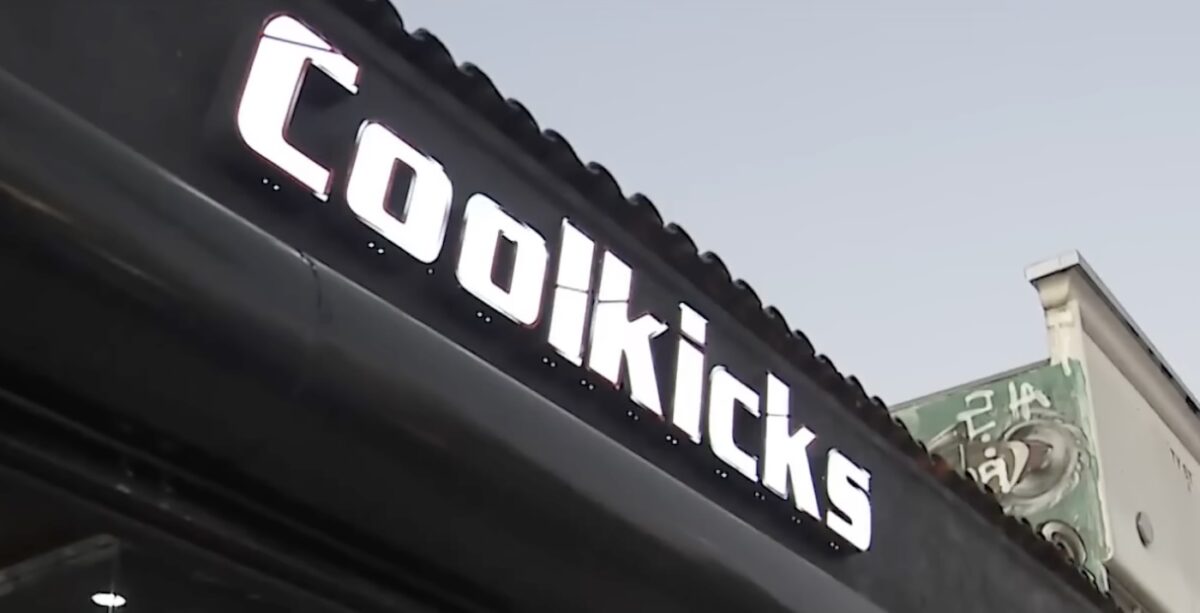
On the evening of October 2, 2025, Los Angeles’ sneaker scene was stunned when law enforcement swept into a CoolKicks warehouse and took its founder, Adeel Shams, into custody. The event, confirmed by public booking records and widely shared across social media, has sparked a flurry of questions — about authenticity, accountability, and the future of one of the most visible names in sneaker resale.
Quick Facts at a Glance
- Founder Adeel Shams was arrested following a warehouse raid in L.A.
- The LAPD’s BUNCO/Forgery Division, which handles fraud and counterfeit investigations, is leading the case.
- Shams was released on his own recognizance (OR) shortly after midnight.
- His next court appearance is scheduled for October 23, 2025.
- Prior to the raid, CoolKicks livestreams were cut off mid-broadcast, fueling speculation online.
- CoolKicks maintains a large digital footprint, with nearly 2 million YouTube followers.
How CoolKicks Rose to Prominence
Before diving into legal drama, it’s worth understanding how CoolKicks built its reputation.
Started in 2014 by Adeel Shams and associates while Shams was in college, the brand initially operated from Richmond, Virginia. In 2016, the team relocated to Los Angeles, opening a flagship store on Melrose Avenue, and leaned heavily into video content, social media, and livestream commerce.
CoolKicks became especially well-known for combining celebrity appearances, influencer features, and behind-the-scenes “sneaker culture” content that resonated with a large audience. That strategy helped it grow its YouTube reach to near 2 million subscribers.
Over time, the business expanded beyond rare sneakers. It branched into apparel and utilized livestream marketplaces like WhatNot to reach customers directly.
The Raid: What We Know
Timeline of Events
- Around 4:45 p.m. PT on October 2, law enforcement arrived at a CoolKicks warehouse location.
- Booking records show Shams was processed at 6:32 p.m. on felony charges.
- By midnight, he was released on his own recognizance.
- He is slated to appear in court on October 23 at L.A. Superior Court.
Live Stream Footage Interrupted
At the time of the raid, CoolKicks was broadcasting on WhatNot. The stream cut off abruptly as police activity encroached. Some viewers heard loud noises; Shams reportedly referenced a possible “swatting” before the broadcast ended.
Within hours, CoolKicks’ account on WhatNot was suspended. That move intensified online conversation about the legitimacy of the raid and CoolKicks’ operations.
Allegations, Speculation & Community Response
Given the involvement of the LAPD’s BUNCO/Forgery Division — which specializes in fraud and counterfeit investigations — many have assumed the case focuses on counterfeit goods or fraudulent sales.
Online, sneaker communities and forums have erupted with speculation. Some users allege that products sold during livestreams were not authentic — though these remain unverified claims.
CoolKicks released a statement acknowledging the raid and clarifying that, to their knowledge, law enforcement has not accused them of counterfeit sales. Instead, the statement suggests the focus may relate to allegedly stolen goods obtained in recent transactions.
TMZ reported that sneakers from a recent shipment were impounded under suspicions of being stolen property — not counterfeit — per their sources.
Still, until official court documents or indictments are released, much remains uncertain.
What’s at Stake for CoolKicks and the Sneaker Industry
Reputation Damage
CoolKicks has long relied on community trust. The brand’s strength stemmed from its image of authenticity, direct-to-consumer engagement, and celebrity alignment. The raid and arrest now threaten that foundation.
Legal Precedents for Resale Business
If charges of counterfeit sales or fraud are substantiated, this case could become a landmark for how authorities treat large-scale resellers in fashion and streetwear.
Operational Disruption
Warehouse raids often result in inventory seizures, frozen accounts, and interrupted supply chains. For a business like CoolKicks, which leverages livestream sales and rapid product turnover, delays or losses could have cascading impacts.
Consumer Confidence
Buyers of limited-edition sneakers and premium streetwear are highly attuned to authenticity. Even rumors of counterfeit activity can erode trust, making future sales harder — regardless of legal outcomes.
What Happens Next? Legal Process and Roadmap
- Court Proceedings Begin
Shams will appear on October 23. That date may include bail discussions, preliminary hearings, or formal arraignments. - Investigative Evidence Disclosure
Prosecutors will need to share evidence, including materials seized during the raid, communications, records, and any forensic analyses. - Defense Strategy
CoolKicks’ legal team may challenge the seizure process, deny counterfeit allegations, or argue good-faith acquisitions. - Potential Outcomes
Depending on findings, resolutions may range from dismissal to plea bargains or trial. Outcomes will shape not only CoolKicks’ fate but broader regulatory behavior in the sneaker resale space.
Lessons & Takeaways for Resellers and Collectors
- Transparency Is Essential
Maintain traceability, receipts, and authenticity validations — especially if you livestream or sell premium goods. - Understand Legal Risk Zones
The resale of high-value limited items exists in a gray area; due diligence is vital. - Reputation Is a Fragile Asset
Brands built on trust can suffer rapidly from perceived wrongdoing, regardless of final adjudication. - Regulatory Scrutiny Is Growing
Authorities appear increasingly willing to intervene in resale ecosystems, especially where fraud is alleged.
CoolKicks Raided and the Future of Sneaker Trust
The raid on CoolKicks and the arrest of Adeel Shams represent a pivotal moment in sneaker resale. A brand that rose through digital engagement, trend culture, and a reputation for authenticity now faces serious legal scrutiny — and an uncertain future.
Whether the core allegations will amount to counterfeit sales, fraud, or another charge remains to be proven. But one thing is already clear: the case is drawing a line under how far hype-driven resale businesses must go to safeguard trust, legality, and transparency.
For sneaker enthusiasts, resellers, and brand operators, the outcome of this case will resonate widely. As the court date approaches and details emerge, the industry will be watching closely — learning, reacting, and perhaps rethinking what it means to trade in trust and hype.