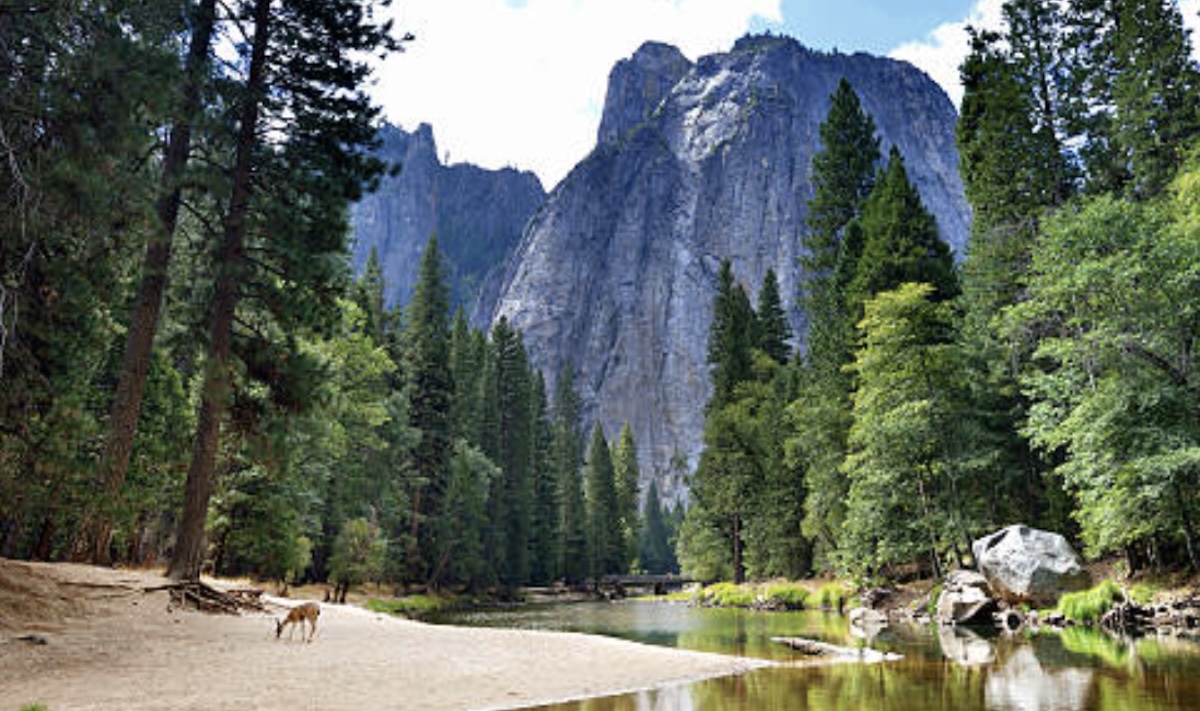
Yosemite National Park isn’t just a place on a map; it’s a feeling. It’s the dizzying sight of El Capitan at golden hour, the thunderous roar of Yosemite Falls in spring, and the quiet hush of walking among ancient giant sequoias. But before you can experience that magic, you need a plan. You’re likely wondering, what state is Yosemite National Park in? How do you even get there? And once you arrive, what are the must-see sights?
Let’s answer all your questions, from basic geography to deep park secrets, and craft the perfect Yosemite adventure.
🔹 Geography & Location: Finding Yosemite on the Map
What state is Yosemite National Park in?
Yosemite is located in the majestic Sierra Nevada mountains of eastern California. It’s a cornerstone of the state’s natural heritage.
What county is Yosemite located in?
The park primarily lies in Mariposa County, but also extends into Tuolumne and Madera Counties. The charming town of Mariposa is a popular gateway community.
What city is closest to Yosemite?
The closest city to the park’s most popular entrance is Groveland (via the Big Oak Flat Entrance). However, the most well-known gateway towns are:
- El Portal (West, Arch Rock Entrance)
- Oakhurst (South, South Entrance)
- Mariposa (West, Arch Rock Entrance)
- Lee Vining (East, Tioga Pass Entrance – seasonal)
How do you get to Yosemite National Park?
The journey is part of the experience. Most visitors drive. Major airports are in Fresno (FAT), about 1.5 hours away, or larger hubs like San Francisco (SFO) or Los Angeles (LAX), both 4-5 hours away.
Is public transportation available to Yosemite? Yes! YARTS (Yosemite Area Regional Transportation System) provides bus service from surrounding towns like Merced, Fresno, and Mammoth Lakes into the park valley, a fantastic way to avoid traffic and parking hassles.
Which entrance to Yosemite is best?
This depends entirely on your origin and itinerary:
- Coming from the Bay Area/NorCal: The Big Oak Flat or Arch Rock entrances are most direct.
- Coming from Southern California: The South Entrance near Oakhurst is your best bet.
- Coming from the East (e.g., Las Vegas): The stunning Tioga Pass Entrance (CA-120 East) is your route, but note: it is closed from approximately November through May due to snow.
🔹 Park Overview: A Land of Giants
What is Yosemite National Park known for?
Yosemite is known for its iconic granite cliffs, breathtaking waterfalls, clear streams, giant sequoia groves, and biological diversity. It’s a UNESCO World Heritage Site.
Why is Yosemite famous?
Its fame was catapulted by the photographs of Ansel Adams and the tireless conservation efforts of John Muir, who helped persuade President Abraham Lincoln to sign the Yosemite Grant Act in 1864, a pivotal act that preserved the land for public use and set the stage for the entire National Park System.
What is the size of Yosemite National Park?
Yosemite spans nearly 748,436 acres (1,169 square miles)—roughly the size of Rhode Island. Over 94% of this is designated wilderness.
How does Yosemite compare to other national parks?
While Yellowstone is larger and known for geothermal features, and the Grand Canyon for its vast depth, Yosemite is often celebrated for its concentrated and accessible grandeur. The sheer concentration of iconic features in Yosemite Valley is unmatched.
🔹 Travel & Itineraries: Planning Your Pilgrimage
What is the best time of year to visit Yosemite?
- Spring (May-June): The ultimate waterfall season! The snowmelt powers the falls at their peak. Crowds are moderate.
- Summer (July-August): All areas are accessible (including Tioga Road), but crowds are at their peak. Requires early planning.
- Fall (September-October): Fewer crowds, stable weather, and stunning fall colors in the valley. Waterfalls are lower.
- Winter (November-March): A silent, snowy wonderland. Perfect for photography and finding solitude. Some roads close.
How many days do you need in Yosemite?
- 1-2 Days: Enough to see the iconic highlights of Yosemite Valley (Tunnel View, Yosemite Falls, Half Dome views).
- 3-4 Days: Ideal. Allows time for the Valley, a hike to Glacier Point or Tuolumne Meadows, and a visit to the Mariposa Grove of giant sequoias.
- 5+ Days: For backpackers, rock climbers, and those who want to deeply explore the high country and wilderness.
What are the must-see sights in Yosemite?
- Yosemite Valley: The heart of the park, home to El Capitan, Half Dome, and Yosemite Falls.
- Tunnel View: The famous, breathtaking overlook you see in every photograph.
- Glacier Point: Offers a staggering aerial view of the entire valley and Half Dome.
- Mariposa Grove: Walk among the giants—hundreds of ancient giant sequoias.
- Tuolumne Meadows: A vast, subalpine meadowland on the park’s quieter eastern side.
🔹 Top Attractions: The Icons Explained
What is Yosemite Valley?
This is the main attraction—a glacier-carved valley 7.5 miles long, filled with meadows, the Merced River, and surrounded by the park’s most famous granite landmarks.
What is Half Dome, El Capitan, or Yosemite Falls?
- Half Dome: The park’s most distinctive granite dome. The perilous hike to its summit (via cables) is a bucket-list item requiring a permit.
- El Capitan: A sheer 3,000-foot vertical rock face that is the holy grail of big-wall rock climbing.
- Yosemite Falls: The tallest waterfall in North America at 2,425 feet, comprised of Upper Yosemite Fall, the middle cascades, and Lower Yosemite Fall.
Where can you see giant sequoias in Yosemite?
The Mariposa Grove, near the South Entrance, is the largest and most famous grove, home to over 500 mature giant sequoias, including the famous Grizzly Giant and California Tunnel Tree.
🔹 Camping & Lodging: Your Home in the Wilderness
Where to stay in or near Yosemite?
- Inside the Park: Offers the most immersive experience. Options range from historic hotels like The Ahwahnee and Wawona Hotel to more rustic lodges and 13 campgrounds.
- Outside the Park: Gateway towns like El Portal, Oakhurst, Mariposa, and Groveland offer hotels, vacation rentals, and private campgrounds.
Can you stay inside Yosemite National Park?
Yes, and it’s highly recommended! The park offers a variety of accommodations, but they are extremely competitive. Reservations for lodges and campgrounds open exactly one year in advance and often sell out within minutes.
How to get Yosemite camping reservations?
Reservations are released on a rolling basis on Recreation.gov. You must be ready to book the second they become available. Some first-come, first-served sites exist but require very early arrival.
🔹 Permits & Reservations: Navigating the System
Do you need a reservation to enter Yosemite?
Yes, during peak times. To manage overcrowding, a reservation system is often in place for daytime entry during peak seasons (typically February for spring, and summer). Always check the official NPS website for the most current requirements before your trip.
How do Yosemite wilderness permits work?
If you plan on any overnight backpacking trip, you must obtain a wilderness permit. A limited number are available, with 60% reservable in advance (via lottery) and 40% set aside for first-come, first-served distribution the day before your trip.
What is the Half Dome permit lottery?
Due to extreme demand and danger, hiking the Half Dome cables requires a permit. A preseason lottery is held in March, and a daily lottery is held two days before each hiking date. Never attempt the cables without a permit.
🔹 Safety & Conservation: Protecting Your Park
Is it safe to hike in Yosemite?
Yes, if you are prepared. The main risks are:
- Altitude: Stay hydrated.
- Weather: Sudden storms are common. Never hike if thunderstorms are forecast.
- Terrain: Stay on marked trails and never approach cliff edges.
- Wildlife: Never feed animals. Store food properly in bear-proof lockers to protect yourself and the bears.
What wildlife lives in Yosemite?
The park is home to over 400 species, including mule deer, bobcats, mountain lions, and the iconic American black bear. Always observe wildlife from a safe distance.
How is Yosemite being protected from wildfires?
The park uses prescribed burns—carefully managed fires under specific conditions—to clear out dead undergrowth and reduce the risk of catastrophic megafires. This mimics the natural fire cycle that has shaped the Sierras for millennia.
Yosemite is more than a destination; it’s an experience that stays with you. With this guide, you’re ready to plan a trip that is not only unforgettable but also respectful of the powerful, fragile wilderness you’ve come to explore.