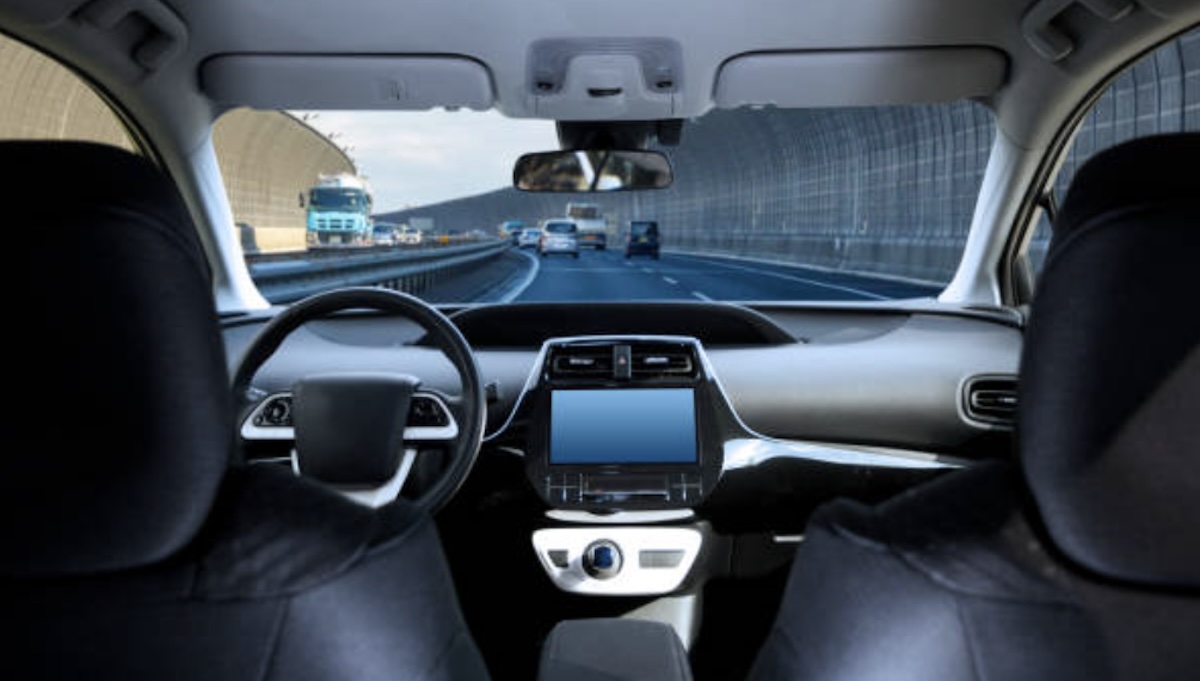
The rise of self-driving cars promises to redefine mobility as we know it, but one of the most profound ripple effects will be felt in the auto insurance industry. With advanced technology taking the wheel, traditional models of risk, liability, and premiums are poised for disruption. The era of autonomous vehicles is not just a transportation revolution, it’s an insurance transformation.
The Current Auto Insurance Model
Auto insurance today is fundamentally based on human behavior. Premiums are calculated using variables such as driving history, age, location, and credit score. Human error accounts for 94% of car accidents, according to the National Highway Traffic Safety Administration (NHTSA). Insurers charge more to cover this risk.
However, self-driving cars, powered by artificial intelligence and equipped with advanced sensors, are designed to drastically reduce human involvement and thus, human error.
Shift in Risk: From Driver to Manufacturer
As autonomous vehicles take over decision-making, liability is expected to shift from individual drivers to automakers and technology providers. If a self-driving car causes an accident, who’s at fault, the owner or the algorithm?
This shift will force insurers to reassess their policies. Traditional personal auto coverage may evolve into product liability insurance, with automakers carrying the burden of accident responsibility.
Key Implications:
- OEMs (Original Equipment Manufacturers) may need to partner with insurers.
- Insurers will need to develop new actuarial models based on vehicle system performance rather than driver behavior.
- Legal frameworks will need to evolve to address fault in AI-driven incidents.
Decline in Premium Revenue
As accident rates decline, so too may premium revenues. According to a report by KPMG, self-driving cars could reduce accident frequency by 80% by 2040, slashing premiums by as much as 60%.
Insurers will need to adapt by:
- Shifting focus to commercial and cyber insurance.
- Offering hybrid policies during the transition phase (part-human, part-autonomous driving).
- Providing coverage for software malfunctions and hacking threats.
The Emergence of New Insurance Products
Autonomous vehicles bring new risks, such as:
- Cybersecurity breaches of vehicle systems.
- Software failures during navigation.
- Privacy concerns from continuous data collection.
These require innovative coverage options, including:
- Cyber liability insurance for autonomous systems.
- Embedded insurance bundled with the vehicle purchase.
- Subscription-based insurance models based on vehicle usage.
Impact on Insurance Jobs and Infrastructure
Automation will also affect the insurance labor market. Underwriters, adjusters, and claims investigators will need to develop skills in AI, data analytics, and tech law. Traditional claims processes will be streamlined through telematics, sensors, and real-time data reporting, reducing the need for human adjusters.
Preparing for the Autonomous Future
Auto insurers must start adapting now by:
- Investing in AI and machine learning to better assess autonomous risk.
- Collaborating with tech companies and regulators.
- Launching pilot programs for AV insurance policies.
Consumers should also stay informed, as their roles and responsibilities shift in the autonomous ecosystem.
FAQs
1. Will self-driving cars eliminate the need for auto insurance?
Not entirely. While the nature of coverage will change, insurance will still be necessary for product liability, cyber threats, and unforeseen technological failures.
2. How soon will self-driving cars impact the insurance market?
The impact is already beginning, but widespread transformation may take 10–20 years as AV adoption increases.
3. Can insurers use data from autonomous vehicles?
Yes. Data from onboard systems will be crucial for underwriting, claims processing, and risk analysis, but privacy and regulation will play a big role.
Changing Auto Insurance Landscape
The advent of self-driving cars will dramatically change the landscape of auto insurance. From who’s liable to how premiums are calculated, the industry must undergo a complete paradigm shift. Companies that adapt early, embracing innovation, technology, and collaboration will lead the next generation of mobility insurance.