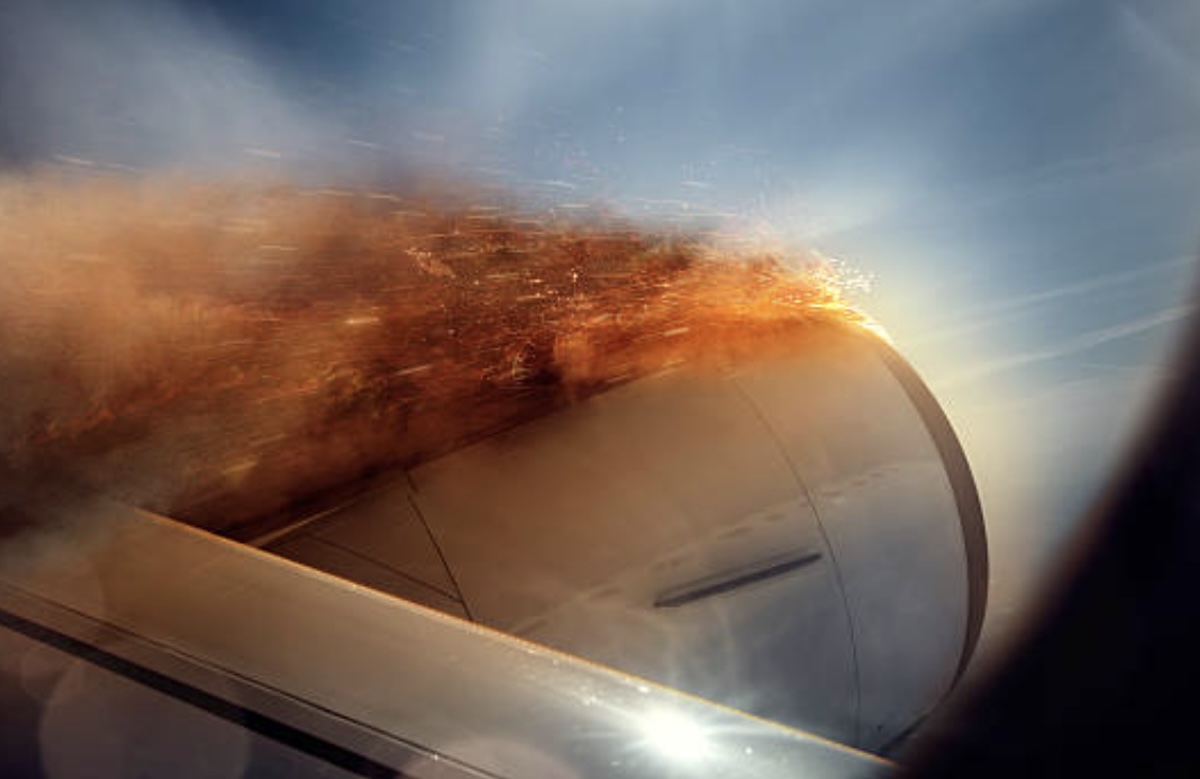
A routine international flight turned into a high-alert emergency on April 17, 2025, when Southwest Airlines Flight 3006 was forced to return to William P. Hobby Airport in Houston, Texas, after the crew reported an engine fire shortly after takeoff.
The incident, though alarming, concluded without injuries, thanks to a swift emergency response and effective evacuation procedures. Here’s what travelers need to know about the event, the aviation safety protocols that were activated, and what it means for future passengers.
Incident Overview
Flight 3006 had departed from Houston around 11:00 a.m. local time, bound for Los Cabos International Airport (SJD) in Mexico. Approximately 15 minutes into the flight, the aircraft began to circle back toward Houston due to indications of an engine malfunction and fire.
At approximately 11:30 a.m., the plane made a successful emergency landing on a taxiway at Hobby Airport. Emergency evacuation slides were deployed, and all 134 passengers and crew exited the aircraft safely. No medical treatment was required for anyone on board.
Rapid Emergency Response
Houston Fire Department’s Airport Rescue and Firefighting (ARFF) units were on standby as the aircraft made its emergency landing. First responders quickly extinguished the engine fire as well as a small grass fire that ignited near the runway as a result of the incident.
The situation was resolved in minutes, with passengers safely escorted from the taxiway and transported back to the terminal for rebooking and support.
Airline and Airport Coordination
In the aftermath of the emergency landing, Southwest Airlines initiated procedures to accommodate displaced travelers, offering rebookings and travel assistance. The airline emphasized its continued commitment to passenger safety and praised the flight crew’s professional handling of the in-flight emergency.
Houston Airports confirmed the airport remained operational after a short disruption to accommodate the emergency response. Regular flight activity resumed shortly thereafter.
Aviation Safety in Action
While engine-related incidents are rare, they are a critical reason why aircraft and crews undergo extensive training and safety checks. Modern commercial jets are equipped to operate safely even if one engine fails, and emergency response teams at major airports are trained for rapid, high-stress situations like these.
The successful emergency landing and evacuation in Houston highlight the effectiveness of safety systems, coordination among agencies, and pilot training in the aviation industry.
What Travelers Should Know
Although emergencies like engine fires can be unsettling, they are extremely rare and typically handled with strict adherence to aviation safety standards. Here’s what passengers can take away from incidents like this:
- Evacuation protocols are designed to prioritize safety over comfort. Always follow flight crew instructions immediately and leave belongings behind.
- Aircraft are built to withstand critical failures, including single-engine operation and controlled landings after mechanical issues.
- Passenger safety is always the top priority for airlines, flight crews, and airport responders.
Engine Failure in Flight
The Southwest Airlines Flight 3006 incident serves as a reminder that air travel remains one of the safest modes of transportation, even when unexpected situations arise. Thanks to the coordination between flight crews, emergency personnel, and airport authorities, a potentially dangerous scenario was swiftly resolved with no injuries.
As investigations continue to determine the cause of the engine fire, the aviation industry will use this event as a case study in emergency preparedness and operational excellence.