As hospitality norms continue to evolve, travelers are increasingly encountering new expectations around tipping—not just in restaurants, but also in hotels. One growing trend is the introduction of “appreciation tipping” during a hotel stay, where guests are invited to tip housekeeping and other service staff through digital methods such as QR codes or mobile apps.
But with nightly rates, resort fees, and parking charges already stacking up, many travelers are left wondering: Is tipping during a hotel stay really necessary?
The Rise of Mid-Stay Appreciation Tipping
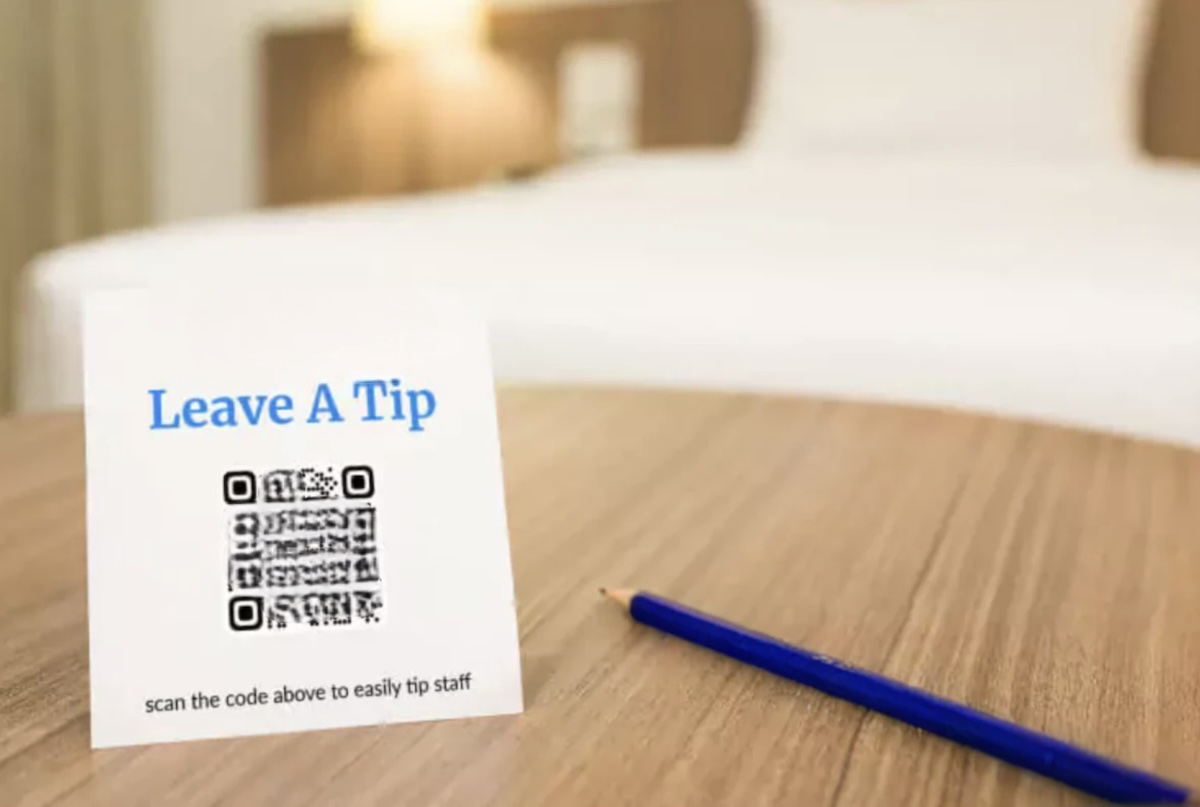
Traditionally, tipping at hotels has been reserved for specific moments—such as giving a few dollars to bellhops for luggage assistance or leaving a gratuity for housekeeping at the end of a stay. However, many hotel brands are now making tipping more visible and convenient by integrating QR codes into rooms and signage.
These signs, often placed on desks or bedside tables, encourage guests to “show appreciation” by scanning the code and leaving a digital tip. The process is usually anonymous and does not require any face-to-face interaction, which some travelers find more comfortable.
Why Hotels Are Encouraging Tips
The hospitality industry has faced increasing labor challenges in recent years. Staff shortages, increased operational costs, and rising demand for personalized service have led many hotels to lean on tipping as a way to support their teams.
By encouraging direct guest contributions, hotels aim to provide additional compensation to employees such as housekeeping staff—whose work often goes unnoticed but is essential to the guest experience.
Is Tipping at Hotels Expected or Optional?
Tipping in hotels is generally optional in the United States, but it is considered good etiquette, especially when service exceeds expectations. Here’s a basic guideline for tipping during your hotel stay:
- Housekeeping: $2–$5 per night, ideally left daily with a note specifying it is for the cleaning staff
- Bellhop/Porter: $1–$2 per bag
- Concierge: $5–$20 depending on the level of assistance provided
- Valet: $2–$5 when your car is returned
While appreciation tipping via QR code is a relatively new development, it follows the same spirit—showing gratitude for services rendered. However, travelers should never feel obligated, especially if the quality of service does not meet expectations or if costs are already exceptionally high.
Traveler Concerns About Digital Tipping
Digital tipping raises a few key concerns for guests:
- Transparency: It’s not always clear how much of the tip reaches the intended staff member or whether the hotel takes a percentage.
- Security: Scanning unknown QR codes can pose cybersecurity risks. Guests should ensure the code is official and hosted by the hotel before proceeding.
- Normalization of Extra Fees: Some travelers worry that tipping expectations during a stay could lead to a more fragmented pricing model, where essential services are no longer included in the base room rate.
Global Perspective on Hotel Tipping
Tipping customs vary significantly across the globe. While it’s expected in the U.S. and Canada, tipping in hotels is far less common or even discouraged in countries like Japan or Australia. International travelers should always research local customs before deciding whether to tip.
Final Thoughts: When and Why You Should Tip
The decision to tip during your hotel stay should ultimately reflect:
- The quality of service received
- Your personal comfort with gratuities
- Cultural expectations or local norms
If you receive attentive service, a clean and well-maintained room, or extra help from staff, leaving a tip—either in cash or digitally—is a thoughtful way to show appreciation. However, tipping should remain a gesture of gratitude, not an obligation enforced by signage or technology.