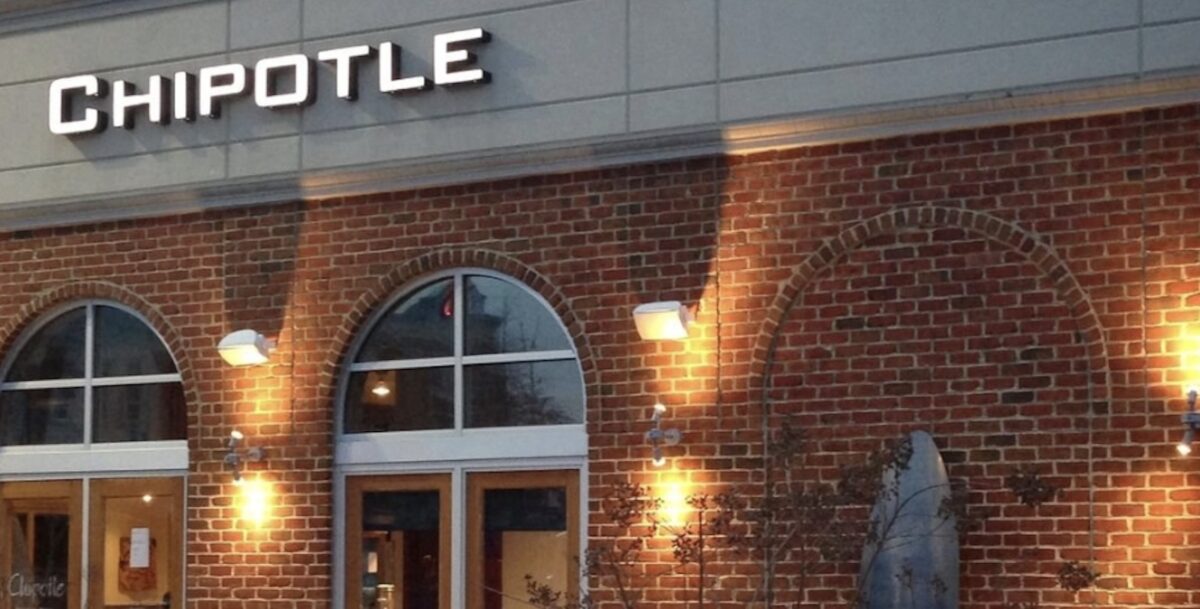
The Challenges of Fast-Food Expansion
The fast-food industry is constantly evolving, with companies exploring new concepts to attract consumers and stay ahead of the competition. However, success is never guaranteed, and even the biggest brands can struggle when attempting to introduce new ventures. One recent example is Chipotle Mexican Grill’s attempt to branch out with Farmesa Fresh Eatery, a healthy food concept that ultimately failed to gain traction.
Understanding Chipotle’s Brand Identity
Chipotle Mexican Grill is known for offering fresh, customizable Mexican-inspired fast food. With its focus on high-quality ingredients and transparency, the chain has carved out a niche that differentiates it from traditional fast-food giants. Customers appreciate Chipotle’s “real food” ethos, which allows them to enjoy burritos, tacos, and bowls with natural ingredients free from artificial additives.
Given this strong brand identity, the company’s attempt to introduce a second brand, Farmesa Fresh Eatery, was a bold move. But despite its innovative approach, Farmesa struggled to resonate with customers.
The Rise and Fall of Farmesa Fresh Eatery
Farmesa Fresh Eatery launched in 2023 with the goal of offering nutritious, protein-rich meals crafted by James Beard Award-winning chef Nate Appleman. Positioned within the growing healthy food segment, Farmesa aimed to appeal to health-conscious consumers through a digital-first strategy, offering its menu exclusively via delivery platforms such as UberEats.
Despite these efforts, Farmesa did not take off as expected. In early 2024, Chipotle confirmed its decision to discontinue the brand, citing a desire to focus on strengthening its core business rather than expanding into new concepts.
Why Did Farmesa Fail?
- Brand Recognition Issues – Many consumers were unaware that Farmesa was affiliated with Chipotle. Unlike its parent brand, which is associated with hearty, indulgent Mexican-inspired meals, Farmesa’s focus on health-oriented dishes created a disconnect for loyal Chipotle customers.
- Limited Market Presence – Farmesa was launched in California, a state with a highly competitive health food industry. Rivals such as Sweetgreen and Cava had already established themselves, making it difficult for Farmesa to stand out.
- Marketing Challenges – While Chipotle enjoys strong brand loyalty, it did not effectively leverage this advantage for Farmesa. The lack of strong cross-promotion or a clear association with Chipotle likely contributed to the restaurant’s failure to build a customer base.
A Pattern of Experimentation
Farmesa is not Chipotle’s first unsuccessful attempt at diversification. The company has previously experimented with other spinoff brands, including:
- ShopHouse Southeast Asian Kitchen (2011-2017) – A fast-casual chain featuring Asian-inspired bowls that failed to gain popularity.
- Pizza Locale (2013-2023) – A Neapolitan-style pizza concept that struggled to compete with established pizza chains.
These repeated challenges suggest that while Chipotle excels at its primary business model, its attempts at expansion into new cuisines and dining formats have not yielded long-term success.
What’s Next for Chipotle?
With Farmesa’s closure, Chipotle appears to be shifting its focus back to its core brand. Instead of diversifying, the company may benefit from investing in operational efficiencies, menu innovation, and digital enhancements within its primary business.
The lesson from Farmesa’s short-lived run is clear: Even the strongest brands must carefully evaluate how new ventures align with their existing identity. Expanding a successful fast-food chain requires not just great food, but also a strategic approach to branding, marketing, and consumer perception. In the end, Chipotle’s best path forward may be refining what already works rather than taking unnecessary risks in unfamiliar territory.