It starts with a dream. Maybe it’s a garage so clean you can finally park a car inside. A backyard oasis free of years of accumulated “stuff.” Or a kitchen remodel that’s been on the vision board for a decade. The motivation is high, the plan is set, and you dive in.
Then, reality hits. You’re surrounded by shattered drywall, old cabinets, and piles of junk with nowhere to put them. Dozens of trips to the local dump in the bed of your truck? Back-breaking, time-consuming, and inefficient. Stuffing your curbside bin for weeks on end? Your neighbors will not be pleased.
This is the moment you realize you need a hero: a dumpster rental.
But if you’ve never rented one before, the process can seem daunting. What size do I need? How much does it cost? Who do I even call? Don’t let the uncertainty stop your project in its tracks. This guide will walk you through everything you need to know, turning a potential headache into the simplest part of your plan.
What Exactly Is Dumpster Rental?
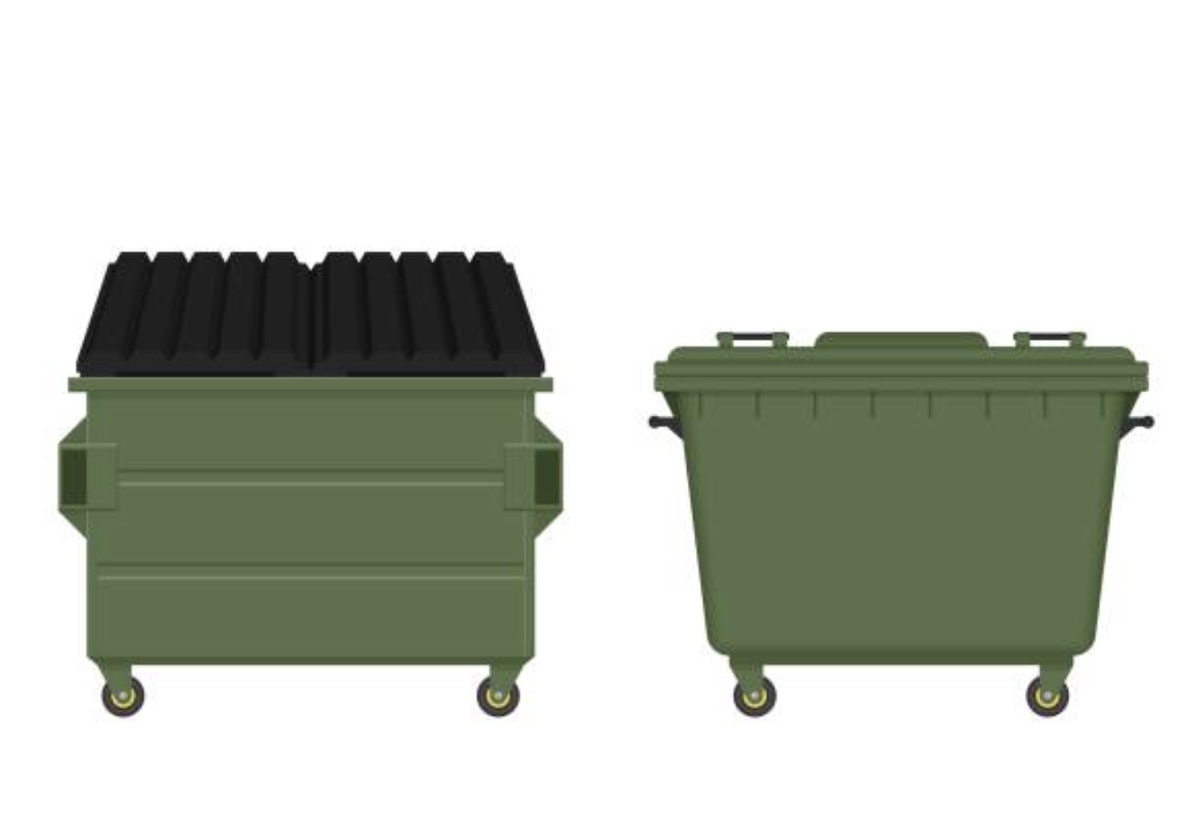
Think of it as a temporary trash can for your biggest clean-up jobs. A rental company drops off a large, metal container (a dumpster or “roll-off” container) at your home or worksite. You fill it up at your own pace over a set rental period (usually 7-14 days). When you’re done, they come back with a big truck, haul it away, and handle all the disposal. It’s convenience, efficiency, and power, all rolled into one.
The #1 Question: What Size Dumpster Do I Need?
This is the most crucial step. Choose too small, and you’ll pay for a second rental. Choose too large, and you’re wasting money. Dumpster sizes are measured in cubic yards—a measure of volume, not weight. Here’s a simple breakdown:
- 10-Yard Dumpster: (Perfect for: Small garage/attic cleanouts, small bathroom remodels)
- Think of it as: About 4 pickup truck loads.
- Good to know: The most common size for smaller residential jobs.
- 20-Yard Dumpster: (Perfect for: Large garage/basement cleanouts, full kitchen remodels, roof tear-offs up to ~1,500 sq ft)
- Think of it as: About 8 pickup truck loads.
- Good to know: This is the “goldilocks” size—the most popular choice for major home projects.
- 30-Yard Dumpster: (Perfect for: Whole-home cleanouts, major construction or demolition, large deck removal, new home construction debris)
- Think of it as: About 12 pickup truck loads.
- Good to know: This is a big unit. Make sure you have adequate space for placement.
- 40-Yard Dumpster: (Perfect for: Extreme cleanouts, major construction/renovation projects, commercial jobs)
- Think of it as: About 16 pickup truck loads.
- Good to know: This is the largest standard size, best for serious jobs.
Pro Tip: When in doubt, describe your project in detail to the rental company. They are experts at recommending the right size.
The Cost: What Will I Actually Pay?
The cost of a dumpster rental isn’t just a flat fee. It’s typically a package that includes:
- A base rate for delivery, pickup, and disposal up to a certain weight limit (e.g., 2-3 tons).
- A rental period (e.g., 7-10 days).
- Potential extra fees for going over your weight limit, renting longer than agreed, or disposing of prohibited items.
On average, you can expect to pay $300 to $600 for a 10-20 yard container for a week, but this varies wildly based on your location, the current disposal fees in your area, and the type of debris.
Always get a full, all-inclusive quote over the phone or email before booking.
The Rules: What Can and Can’t I Throw In?
This isn’t a free-for-all. For safety and environmental reasons, there’s a list of items that are typically PROHIBITED. Dumping these can result in hefty fines.
- Absolutely NOT: Hazardous materials like paint, chemicals, solvents, batteries, motor oil, and asbestos.
- Usually NOT: Tires, mattresses, refrigerators/air conditioners (which contain Freon), and propane tanks.
- Sometimes OK (with an extra fee): Electronics (e-waste), appliances that have been certified Freon-free.
When in doubt, ask your rental company! They can tell you their specific policies.
How to Place Your Dumpster: Driveway vs. Street
This is a critical logistics step.
- Your Driveway: This is the easiest and most common placement. It’s on your property, doesn’t require permits, and is easily accessible.
- The Street/Sidewalk: If you don’t have a driveway, you may need to place the dumpster on a public street. This almost always requires a permit from your city’s public works department. The rental company can often help you navigate this process, but you are usually responsible for obtaining and paying for it. Always check local regulations.
Your 5-Step Plan to a Stress-Free Rental
- Plan Your Project: Take a walk-through and make a rough list of what you’ll be throwing out.
- Get Quotes: Call at least 2-3 local, reputable companies. Describe your project and ask for a detailed, all-inclusive quote.
- Ask Questions: “What’s included in the price?” “What is the weight limit?” “What is not allowed?” “How long is the rental period?”
- Prepare the Site: Clear a flat, stable area for the dumpster. Ensure there’s a clear path for the truck to access it (about 60 feet of straight clearance is ideal).
- Load It Smart: Start with flat, heavy items on the bottom to create a stable base. Break down large boxes. Distribute weight evenly. Never overfill it—debris must not be higher than the top of the container walls.
Renting a dumpster isn’t about having a giant eyesore on your property for a week. It’s about efficiency, safety, and reclaiming your space. It’s the tool that empowers you to tackle that big project, clear the clutter, and create the home you’ve always wanted. By knowing what to expect, you can rent with confidence and get right back to turning your dream into reality.