Think about your day. You wake up and check the weather on your phone—a forecast pulled from a massive database. You stream a podcast while making coffee, the audio flowing seamlessly from a server miles away. You join a video conference call, your face and voice digitized and transmitted across the country in milliseconds. You order groceries online, your transaction secured and processed instantly.
None of this magic happens in the ether. Every click, every stream, every like, and every share is processed, stored, and delivered by a physical beating heart of the digital age: the data center.
But what exactly is this critical infrastructure, and why does the world—our economy, our healthcare, our entertainment, and our future—depend on it so completely? The answer is a fascinating journey from clunky computer rooms to the foundation of our connected existence.
From Closets to Cloud: A Brief History of the Data Center
The story begins in the 1940s and 50s with the first room-filling, vacuum-tube-powered computers like ENIAC. These behemoths resided in specialized, climate-controlled rooms—the primordial ancestors of today’s data centers. They were isolated, incredibly expensive, and served only a handful of users.
The real evolution began in the 1980s with the rise of the corporate local area network (LAN). Companies started housing their growing number of minicomputers and servers in dedicated “server closets” or computer rooms. The key concern? Keeping these heat-generating machines from melting down.
The internet boom of the 1990s changed everything. As businesses rushed online, the need for always-on, reliable internet infrastructure exploded. This gave birth to the modern data center: fortified facilities with redundant power supplies (backup generators and massive batteries), robust cooling systems, and high-speed fiber optic connections. They were no longer just computer rooms; they were mission-critical fortresses for data.
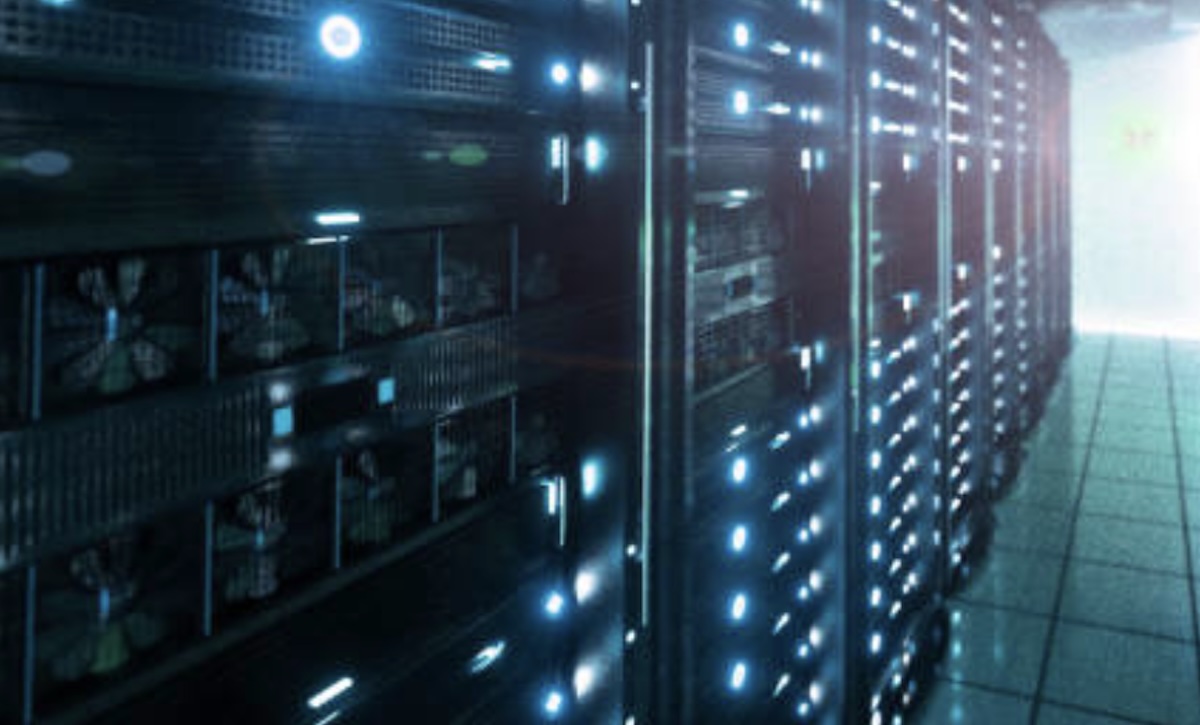
Today, we’ve entered the era of hyperscale data centers—gargantuan facilities operated by giants like Amazon, Google, and Microsoft that power the cloud services we all use. They contain hundreds of thousands of servers and form the very backbone of the global internet.
The Magnetic Pull: Why Data Centers Attract Business, Investment, and Jobs
So, why is there a global race to build more of these facilities? It’s because a data center is far more than a building full of computers; it’s a powerful economic catalyst.
- Business Attraction: In today’s economy, data is the new oil, and computing power is the refinery. Companies, from tiny startups to massive Fortune 500 firms, rely on cloud computing and fast data access to innovate and compete. A region with robust data center infrastructure is inherently attractive to these businesses. It guarantees them the low-latency, high-bandwidth, and secure digital environment they need to thrive. It’s like building a city with the best roads, power grid, and water supply—businesses will naturally want to set up shop there.
- Investment Magnet: Building a data center is a capital-intensive endeavor. A single hyperscale facility can represent a multi-billion-dollar investment. This investment isn’t just in the building itself, but in local construction firms, engineering teams, utility infrastructure, and real estate. This influx of capital stimulates the entire local economy.
- Job Creation: While data centers are highly automated, they are far from jobless. They create a wide range of high-skilled, high-wage employment opportunities. This includes:
- Construction Jobs: For building the facility.
- IT and Engineering Jobs: Network architects, systems administrators, and security specialists to keep the center running.
- Facility Management: Electrical engineers, cooling technicians, and security personnel.
- Indirect Jobs: They support local communities, creating demand for everything from restaurants to housing for the employees.
A National Priority: How Data Centers Benefit a Country
The benefits extend far beyond city limits. For a nation, a strong data center ecosystem is a strategic imperative.
- Digital Sovereignty and Security: Countries need to house their citizens’ and government’s data within their own borders to comply with privacy regulations (like GDPR) and protect it from foreign surveillance. Data centers enable this data sovereignty.
- Economic Resilience: A domestic data center network ensures that a country’s critical services—banking, healthcare, energy grids, government services—can operate uninterrupted, even during international crises or network disruptions.
- Innovation Hub: They provide the essential infrastructure for cutting-edge technologies like artificial intelligence, machine learning, and the Internet of Things (IoT). A country without data centers will be left behind in the global innovation race.
The Other Side of the Coin: Acknowledging the Risks
However, this incredible power does not come without its challenges. The very centrality of data centers makes them a target and creates significant responsibilities. While we will explore these in-depth in future articles, it is crucial to acknowledge their existence:
- Security Challenges: These fortresses of data are constantly under siege from cyberattacks, ranging from ransomware to sophisticated state-sponsored espionage. Protecting the digital crown jewels is an endless battle.
- Sustainability Demands: Data centers are significant consumers of energy and water. The environmental impact, particularly their carbon footprint, is a major concern driving the urgent push for green, sustainable data center designs and renewable energy sources.
- Geopolitical Tensions: The physical location of data is now a geopolitical issue. Data sovereignty laws and concerns over espionage can lead to tensions between nations, influencing where companies can build their facilities and store data.
The Unseen Foundation
The data center is the most critical infrastructure you never see. It is the silent library storing our collective knowledge, the powerful engine processing our digital desires, and the secure vault protecting our most sensitive information.
As we march into a future defined by AI, quantum computing, and a ever-deeper digital reality, the world doesn’t just need data centers; it will depend on them even more. They are not merely buildings; they are the very foundation upon which the 21st century is being built.
Stay tuned for our next article in the series, where we will pull back the curtain on the ever-evolving battle to keep these facilities safe: “Security Challenges in Modern Data Centers.”