If you’ve ever stood in a grocery store, pondering the labels on your food—”organic,” “local,” “regenerative,” “grass-fed”—you’ve already encountered the growing movement toward sustainable agriculture. But what does that term really mean?
It’s more than just a buzzword. It’s a transformative approach to growing food that aims to meet our present needs without compromising the ability of future generations to meet theirs. It’s about creating a food system that is healthy for the environment, profitable for farmers, and equitable for communities.
This guide will demystify sustainable agriculture, exploring its core principles, common practices, and why it matters for every American.
The Core Principles of Sustainable Agriculture
Sustainable agriculture isn’t a single set of rules. It’s a philosophy built on the integration of three pillars:
- Environmental Health: This principle focuses on safeguarding our natural resources. It means farming in a way that improves soil health, conserves water, protects air quality, promotes biodiversity, and reduces the sector’s contribution to climate change.
- Economic Profitability: A farm cannot be sustainable if it isn’t profitable. This pillar ensures that farmers, farmworkers, and others involved in the food system can earn a secure living. It’s about building resilient local economies and reducing the reliance on costly external inputs.
- Social and Economic Equity: Sustainable agriculture seeks to create a system that is just and fair for all. This includes providing safe working conditions and fair wages for farm laborers, strengthening rural communities, and ensuring all people have access to healthy, nutritious food.
Key Practices of Sustainable Agriculture in the US
How do farmers translate these principles into action? Here are some of the most common and impactful practices you’ll find on sustainable farms across the United States:
- Crop Rotation and Diversity: Instead of planting the same crop year after year (monoculture), farmers rotate a variety of crops. This disrupts pest and disease cycles, improves soil structure, and enhances soil fertility. For example, planting nitrogen-fixing legumes like beans or peas can naturally replenish the soil.
- Cover Cropping: After a harvest, farmers plant cover crops like clover, rye, or vetch. These crops are not for sale but are “living mulch” that protects the soil from erosion, suppresses weeds, and adds organic matter back into the earth when tilled under.
- Reduced or No-Till Farming: Traditional plowing (tillage) disrupts soil structure, leads to erosion, and releases stored carbon into the atmosphere. No-till or low-till farming disturbs the soil as little as possible, preserving its health and helping it act as a “carbon sink” to combat climate change.
- Integrated Pest Management (IPM): Instead of relying solely on chemical pesticides, IPM is an ecosystem-based strategy. It focuses on long-term prevention of pests through techniques like introducing beneficial insects (natural predators), using disease-resistant plants, and altering planting schedules. Pesticides are used only as a last resort.
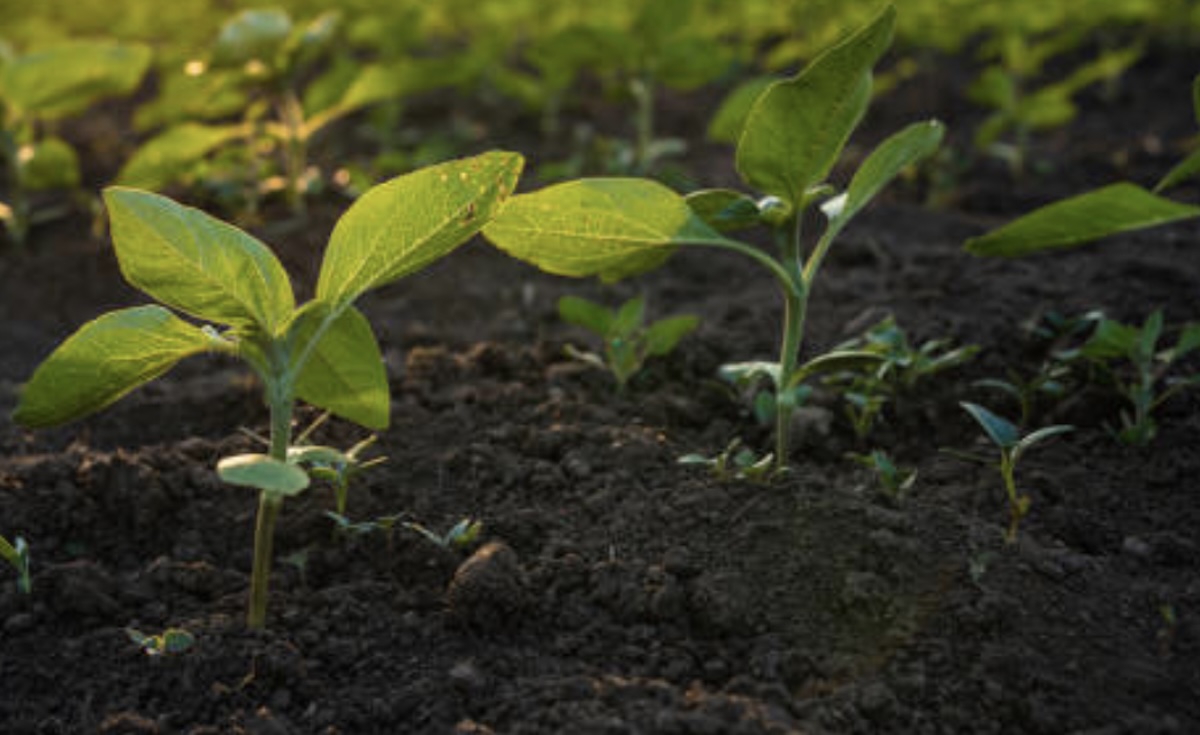
- Soil Health Management: Sustainable farmers see soil as a living ecosystem. They focus on building healthy soil rich in organic matter through composting, applying manure, and using the practices listed above. Healthy soil is the foundation—it retains water better, grows more nutritious food, and requires fewer chemical inputs.
- Water Conservation: In many parts of the US, water is a precious resource. Sustainable farms use efficient irrigation systems like drip lines that deliver water directly to plant roots, and they manage landscapes to capture and store rainwater.
- Agroforestry and Biodiversity: Integrating trees and shrubs into farming systems provides habitat for wildlife, can offer additional income (e.g., fruit or nut trees), and helps protect crops from wind and weather.
- Conservation of Non-Renewable Energy: This includes using renewable energy sources like solar or wind power on the farm and adopting practices that reduce reliance on fossil fuels.
Why is Sustainable Agriculture So Important?
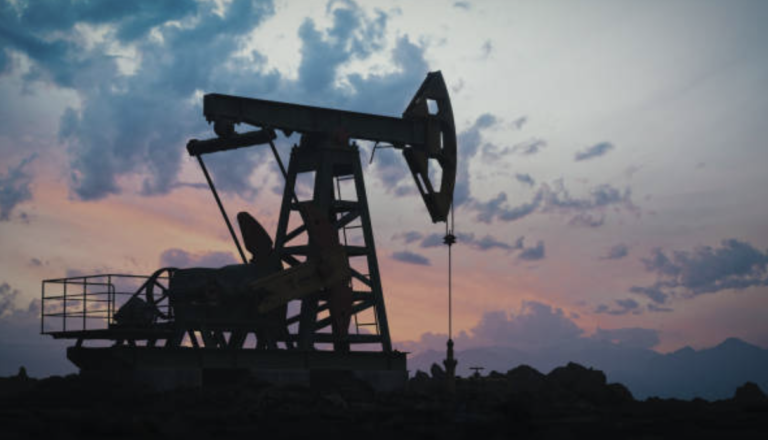
The conventional, industrial agriculture system has provided abundant, low-cost food but often at a significant hidden cost. Sustainable agriculture addresses these critical issues:
- Environmental Protection: It drastically reduces chemical runoff into our rivers and lakes (like the dead zone in the Gulf of Mexico), protects pollinators crucial to our food supply, and preserves topsoil—a resource that can take centuries to form.
- Climate Change Mitigation: By building healthy soil that sequesters carbon, reducing fossil fuel use, and lowering greenhouse gas emissions, sustainable farming is a powerful tool in the fight against climate change.
- Improved Public Health: Food grown in rich soil is often more nutrient-dense. Reducing pesticide and antibiotic use also means fewer chemical residues in our food and water, potentially lowering public health risks.
- Economic Resilience for Farmers: By lowering input costs (like synthetic fertilizers and pesticides) and often creating higher-value products, sustainable practices can improve a farm’s bottom line and make it more resilient to market and climate shocks.
- Animal Welfare: Sustainable livestock management often emphasizes allowing animals to engage in their natural behaviors, such as grazing on pasture, which leads to healthier animals and higher-quality products.
How You Can Support Sustainable Agriculture
You don’t have to be a farmer to be part of the solution. As a consumer, your choices have power.
- Buy Local: Visit your local farmers’ market or join a CSA (Community Supported Agriculture) program. This directly supports farmers in your community and drastically shortens the distance food travels from farm to plate.
- Read Labels: Look for certifications like USDA Organic, which prohibits synthetic pesticides and fertilizers. Also, learn about labels like Animal Welfare Approved or Certified Regenerative.
- Ask Questions: At the grocery store or a restaurant, ask where the food comes from and how it was grown. Creating demand for transparently sourced food pushes the entire system to be better.
- Reduce Food Waste: The most sustainable food is the food we actually eat. Plan meals, store food properly, and compost scraps.
- Grow Your Own: Even a small patio garden with herbs or tomatoes can deepen your connection to how food is produced.
Understand Better About Sustainable Agriculture
Sustainable agriculture is a holistic approach to farming that nourishes the land, people, and communities. It’s not about going back to the past but about using science, innovation, and respect for nature to create a resilient and abundant food system for our future.
By understanding what it is and consciously choosing to support it, we can all play a part in cultivating a healthier planet.