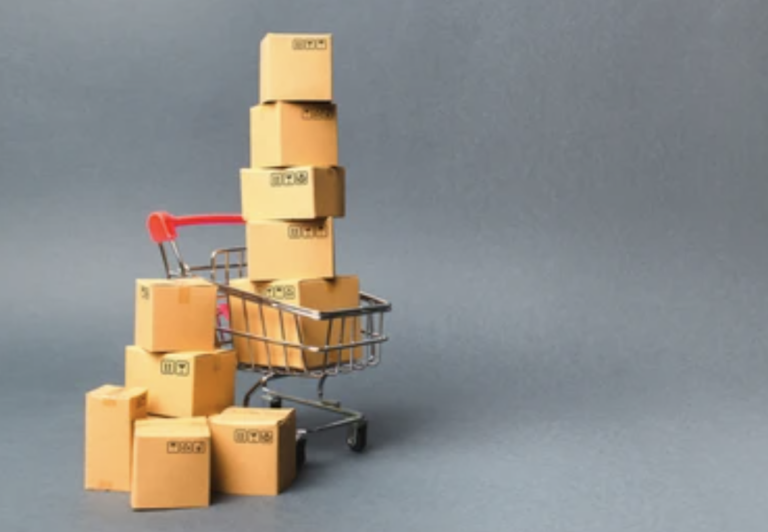
Picture this: It’s the holiday season, and suddenly, everyone wants the latest tech gadget. Factories ramp up production, shipping containers pile up at ports, and prices start to creep higher. Then, just a few months later, demand drops—stores are stuck with excess inventory, and businesses scramble to adjust.
This ebb and flow of consumer demand doesn’t just affect store shelves—it sends shockwaves through exports, imports, and even a country’s current account balance. But how? And why should you care?
Let’s explore the fascinating world of demand fluctuations and their far-reaching economic consequences.
What Are Demand Fluctuations?
Demand fluctuation refers to the unpredictable rises and falls in consumer and business spending. These shifts can happen due to:
✔ Seasonal trends (holiday shopping, summer travel)
✔ Economic cycles (booms vs. recessions)
✔ Unexpected events (pandemics, supply chain disruptions)
✔ Policy changes (tax cuts, stimulus checks)
When demand swings wildly, businesses—and entire economies—must adapt quickly.
How Demand Changes Affect Exports
1. When Domestic Demand Soars
If Americans suddenly buy more goods, companies may prioritize local sales over exports.
Example:
- During the 2020-2021 stimulus boom, U.S. consumers splurged on electronics, furniture, and cars. Many manufacturers cut back on exports to meet domestic needs, shrinking trade surpluses (or widening deficits).
2. When Foreign Demand Drops
If trading partners (like Europe or China) face a recession, they buy fewer U.S. goods.
Example:
- In 2022, as Europe’s economy slowed, demand for American-made machinery and agricultural products dipped, hurting U.S. exporters.
3. The “Bullwhip Effect” in Global Trade
Small demand changes can amplify across supply chains:
- A 10% drop in car sales → 30% cut in steel orders → 50% slump in iron ore exports.
How Demand Swings Impact Imports
1. When U.S. Consumers Spend More
Higher demand often means more imports to fill the gap.
Example:
- Post-pandemic, Americans bought record amounts of imported goods (from Chinese electronics to German cars), pushing the trade deficit to historic highs.
2. When U.S. Demand Crashes
A recession can slash imports—but also hurt global partners.
Example:
- In 2008, the U.S. financial crisis caused imports to plummet, triggering recessions in export-dependent countries like Mexico and Japan.
The Bigger Picture: Demand and the Current Account
The current account measures a country’s trade balance, investment income, and transfers. Demand fluctuations influence it in three key ways:
1. Trade Balance (Exports – Imports)
- Surge in U.S. demand → More imports → Wider deficit.
- Drop in foreign demand → Fewer exports → Also wider deficit.
2. Investment Income
- If U.S. demand fuels corporate profits, foreign investors earn more from U.S. stocks/bonds.
- If demand crashes, investment income falls.
3. Exchange Rate Pressures
- High demand for imports can weaken the dollar (if paid in foreign currency).
- Low export demand can also weaken it (fewer buyers for dollars).
Real-World Case Studies
The COVID-19 Rollercoaster (2020-2022)
- 2020: Demand collapsed → Imports/exports crashed.
- 2021: Stimulus checks fueled a spending spree → Imports skyrocketed.
- 2022: Demand shifted from goods to services → Trade imbalances eased slightly.
The 2008 Financial Crisis
- U.S. demand evaporated → Global trade dropped 12% in months.
- China’s export-driven economy stumbled, forcing a shift to domestic consumption.
Why This Matters to You
- Your Job
- Export-heavy industries (manufacturing, agriculture) suffer when foreign demand falls.
- Import-reliant sectors (retail, logistics) boom when U.S. demand rises.
- Your Wallet
- High demand = possible shortages and inflation (remember car prices in 2021?).
- Low demand = sales and discounts (but maybe layoffs too).
- Your Investments
- Companies reliant on steady demand (e.g., Apple, Walmart) hate volatility.
- Commodity exporters (Australia, Brazil) thrive when global demand is strong.
The Future: Managing Demand Volatility
🔹 Reshoring – Companies may localize production to avoid supply chain whiplash.
🔹 AI Forecasting – Walmart and Amazon now use AI to predict demand spikes.
🔹 Policy Tools – Governments may stockpile key goods (like semiconductors) to smooth disruptions.
Key Takeaways
✅ Demand fluctuations are normal but disruptive—holiday spikes, recessions, and crises all play a role.
✅ Exports and imports swing with demand—affecting jobs, prices, and trade balances.
✅ The current account tells the story—revealing how demand shifts alter national wealth.
✅ You’re part of the cycle—every purchase you make (or skip) ripples through the economy.
Your Turn!
Have you noticed products getting harder (or easier) to find lately? How do you think demand swings impact your industry? Share below!
#DemandFluctuations #TradeDeficit #EconomicCycles #SupplyChain #Exports #Imports #CurrentAccount