The U.S. economy finds itself at a crossroads, where inflation remains persistent, and new challenges emerge from the economic policies of President Donald Trump, particularly his aggressive tariffs. For the Federal Reserve, this presents a difficult test, as it faces both the lingering effects of previous inflation misjudgments and the unpredictable impact of new trade policies.
The Federal Reserve’s role in managing inflation has been scrutinized heavily since 2021, when the U.S. economy began recovering from the pandemic. Initially, Federal Reserve officials predicted that inflationary pressures would be “transitory.” However, these predictions were proven wrong, as inflation remained high for much longer than expected, leading the Fed to embark on its most aggressive rate-hiking campaign in decades by 2022.
The Fed’s Past Mistakes: Lessons Learned, but the Challenge Continues
The pandemic-induced recession and the recovery phase led the Federal Reserve to focus primarily on boosting employment. With the economy in a fragile state, inflation was not immediately seen as a pressing concern. This policy stance was built around the idea that the sharp rise in prices would be temporary, but as 2021 unfolded, it became evident that inflation was not subsiding. This miscalculation led to harsh criticism of the Fed’s delayed response, particularly as price hikes affected consumer goods and services across the economy.
Now, with inflation still a major issue, the Federal Reserve is revising its policy framework. The Fed’s new approach will need to address the lessons learned from its earlier mistakes, while also preparing for potential future economic shocks. This framework revision comes at a particularly critical time as President Trump’s tariff policies are poised to introduce new inflationary pressures.
The Impact of Tariffs on Inflation and Economic Growth
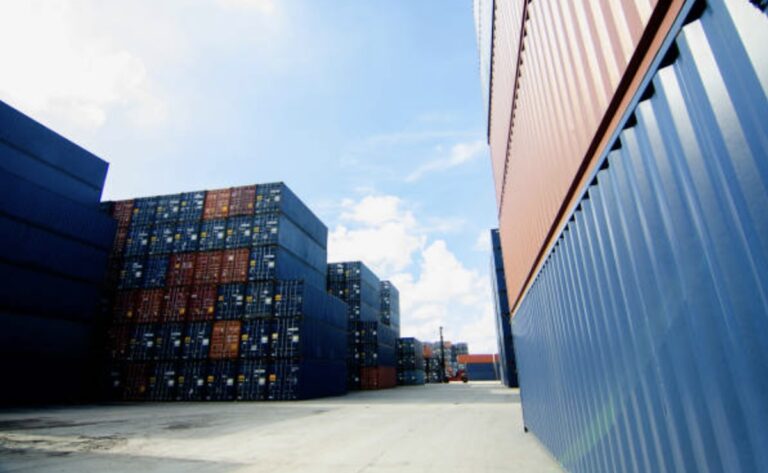
One of the most significant changes to the U.S. economy in recent months is President Trump’s tariff policies. These tariffs, particularly those on imports such as automobiles and metals, are expected to increase the cost of goods for consumers. Experts warn that this could lead to stagflation—a scenario in which the economy experiences sluggish or negative growth alongside rising inflation.
As the tariffs continue to push prices higher, it becomes increasingly difficult for the Federal Reserve to manage inflation effectively. The tariffs create a new layer of uncertainty, as their effects on prices may exacerbate inflationary trends, making it more difficult for the Fed to bring inflation under control.
The Federal Reserve’s challenge is made even more complex by the risk of stagflation, which would force policymakers to choose between fighting inflation or supporting economic growth. The uncertainty surrounding these tariff impacts means that the Fed must carefully navigate its policy decisions.
The Fed’s Revised Policy Framework: A Necessary Change
To avoid repeating past mistakes, the Federal Reserve is revising its policy framework, with a focus on long-term macroeconomic goals and clear communication. One critical aspect of this revision is the need for flexibility in responding to inflation. The central bank has acknowledged that it misjudged the severity of inflation during the pandemic recovery and is now working to ensure that it does not make the same mistake in the future.
The revised framework is expected to take into account the potential for inflation to persist longer than initially anticipated, as well as the growing challenges posed by external factors like tariffs. Some economists have suggested that the Fed could adjust its inflation target to a range, such as 1.5% to 2.5%, rather than sticking strictly to the 2% target. This would provide more flexibility in managing inflation without unduly harming the economy.
Managing Inflation Expectations
Inflation expectations play a crucial role in the Fed’s ability to stabilize prices. If consumers and businesses expect inflation to rise significantly in the future, this can create a self-fulfilling prophecy, driving up prices even further. Recent data has shown a sharp increase in long-term inflation expectations, signaling that the public is concerned about future price hikes.
To avoid destabilizing inflation expectations, the Federal Reserve must strike a balance between controlling inflation and supporting economic growth. Its new policy framework will need to consider the potential long-term effects of tariffs on inflation and adjust its strategies accordingly.
Looking Ahead: A Delicate Balance
As the U.S. economy faces multiple challenges—including persistent inflation, the potential for stagflation, and the ongoing effects of tariffs—the Federal Reserve will need to carefully calibrate its monetary policy. The Fed’s revised framework, which incorporates lessons from past mistakes, will be tested by the real-world effects of these external pressures.
The coming months will be crucial for determining how well the Federal Reserve can navigate these challenges. If the Fed is able to maintain a stable economy while addressing inflation, it will prove its ability to adapt to changing economic conditions. However, if tariffs continue to push prices higher and stifle growth, the Fed may find itself in a difficult position, with fewer tools to counteract these pressures.
The Federal Reserve’s ability to manage inflation and steer the U.S. economy through these turbulent times will be tested by the ongoing trade policies, especially tariffs. As the economic landscape evolves, the Fed’s newly revised policy framework will be essential in responding to these challenges and safeguarding the economy from further instability.