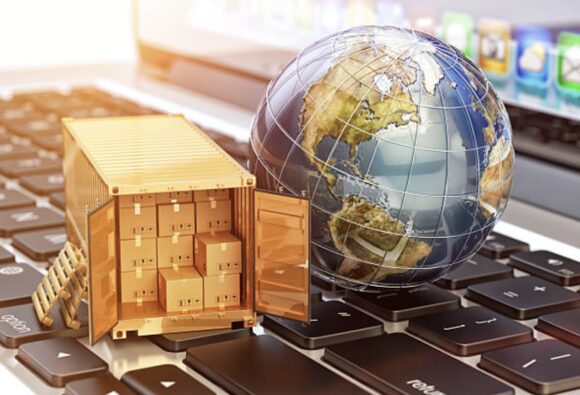
Tariffs, often perceived as a complex economic tool, play a crucial role in shaping international trade and domestic markets. A tariff is essentially a tax imposed on imported goods, intended to make foreign products more expensive compared to domestic alternatives. This article will explore what tariffs are, why governments use them, and how they affect both businesses and consumers.
What Are Tariffs?
A tariff is a tax levied on goods imported from other countries. The primary goal of tariffs is to protect local industries from foreign competition by increasing the cost of imported goods. For example, if the U.S. government imposes a 10% tariff on Japanese cars, a $50,000 Japanese car would now cost $55,000. This increased price makes similar American-made vehicles more attractive to consumers.
Reasons Governments Impose Tariffs
Governments impose tariffs for various reasons, each with distinct economic and political motivations:
- Revenue Generation: Historically, tariffs were a significant source of revenue for governments. In the early days of the United States, tariffs were the primary means of funding the federal government before the advent of income taxes. Although today they contribute a minor portion of revenue in developed countries, they remain vital for poorer nations. For instance, Djibouti and The Gambia had average tariff rates above 17% as of 2021, compared to just 1.5% in the U.S.
- Protecting Local Jobs and Industries: Tariffs are often used to shield domestic businesses from foreign competition. By making imported goods more expensive, tariffs aim to encourage consumers to buy locally-produced products. This was evident during the Great Depression when the Smoot-Hawley Tariff Act of 1930 was enacted to protect American industries, though it also led to retaliatory tariffs and prolonged the economic downturn.
- National Security: Tariffs can be implemented to reduce dependency on foreign countries for essential goods. For example, tariffs on steel and aluminum were justified by national security concerns because these materials are critical for military equipment.
- Influencing Trade Practices: Tariffs can be a tool to address unfair trade practices, such as “dumping,” where foreign companies sell products at artificially low prices to gain market share. For instance, the Biden administration imposed new tariffs on Chinese goods, including a significant increase on electric vehicles and semiconductors, to counteract what it views as dumping practices by China.
- Retaliation: Tariffs can be used as a retaliatory measure when one country imposes trade barriers, leading to a cycle of retaliatory tariffs. The trade war initiated by the Smoot-Hawley Act and more recently the U.S.-China trade war are examples of how tariffs can escalate into broader economic conflicts.
The Impact of Tariffs on Your Finances
Despite their primary role in international trade, tariffs have a direct impact on consumers and businesses:
- Cost to Consumers: Although tariffs are technically paid by importers when goods enter the country, the cost is often passed on to consumers. For instance, if a new tariff increases the cost of laptops from China, retailers like Amazon will likely raise prices for consumers. During the Trump administration, tariffs on Chinese goods led to higher prices on various products, including footwear and electronics.
- Effect on Jobs: While tariffs may protect some domestic jobs by shielding local industries, they can also lead to job losses in sectors reliant on imported materials. For example, tariffs on steel can increase production costs for industries that use steel, potentially resulting in higher prices and reduced demand, which can negatively impact employment.
- Inflationary Pressures: Tariffs can contribute to higher prices but generally have a limited effect on overall inflation. The increase in prices for specific goods due to tariffs does not significantly affect the broader economy. For example, even during the height of the COVID-19 pandemic, which caused inflation to soar, tariffs were estimated to contribute only a small fraction to the rise in consumer prices.
Political Perspectives on Tariffs
Tariffs have become a significant point of debate among policymakers:
- Donald Trump: Trump’s administration saw a significant increase in tariffs, particularly on Chinese goods, as part of his broader economic policy. He proposed further increases and suggested replacing income taxes with higher tariffs, though experts argue that this would be economically impractical.
- Joe Biden: President Biden has largely maintained the tariffs imposed by Trump, citing concerns over unfair trade practices by China. However, he has criticized the impact of tariffs on consumer prices and the overall economy.
Frequently Asked Questions
What is a Simple Definition of a Tariff? A tariff is a tax imposed on imported goods to protect domestic industries and generate government revenue.
What Are the Different Types of Tariffs? Common types include ad valorem tariffs, which are a percentage of the goods’ value, and specific tariffs, which are a flat rate per unit of the good.
What Tariffs Did Trump Impose? Trump implemented tariffs on a wide range of goods, including steel, aluminum, and various Chinese products, significantly impacting international trade relations.
Understanding tariffs is essential for grasping their broader implications on global trade, local industries, and personal finances. By keeping informed, consumers and businesses can better navigate the economic landscape shaped by these trade policies.