Understanding Thunderstorms, Severe Weather, and Tornadoes
In the United States, the weather can change drastically within moments, leading to severe storms that can pose significant risks to residents and travelers alike. One of the most common types of storm systems is the thunderstorm, which can sometimes escalate into dangerous weather conditions like tornadoes. Understanding the basics of a thunderstorm, the difference between thunderstorms, severe weather, and tornadoes, as well as how to survive these events, is crucial for anyone traveling in storm-prone areas. This post will provide an overview of thunderstorms, the difference between severe weather and tornadoes, when a thunderstorm can turn into a tornado, and survival tips for travelers.
What Is a Thunderstorm?
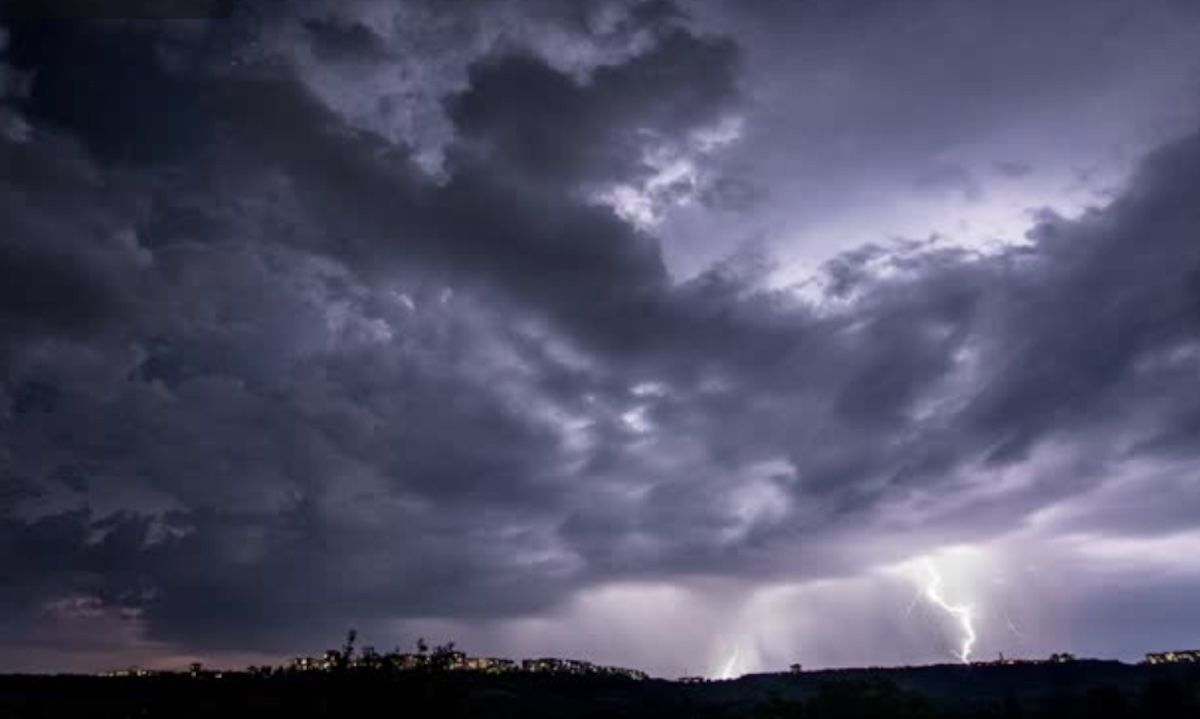
A thunderstorm is a type of storm characterized by the presence of lightning and thunder. These storms can occur suddenly, and while they may bring brief heavy rainfall, hail, or gusty winds, they are typically not as dangerous as severe weather or tornadoes. Thunderstorms are caused by the upward movement of warm, moist air that cools and condenses, forming clouds. The thunder and lightning that follow are a result of the buildup of electrical charges within the storm clouds.
Thunderstorms are common in many parts of the U.S., particularly in the spring and summer months. They can last anywhere from 30 minutes to several hours, depending on the severity and size of the storm. While most thunderstorms are not life-threatening, it is important to take proper precautions when a storm system alert is issued.
What is the Difference Between Thunderstorms, Severe Weather, and Tornadoes?
Though thunderstorms, severe weather, and tornadoes are all related, they have key differences. Here’s a breakdown:
- Thunderstorm: A thunderstorm is a storm that produces lightning and thunder. It can bring rain, hail, and wind but does not necessarily mean that severe weather or a tornado will occur. Thunderstorms can be isolated, affecting only small areas, or they can develop into larger storm systems.
- Severe Weather: Severe weather refers to any weather conditions that are extreme or dangerous, including hail, strong winds, flooding, and tornadoes. A thunderstorm is a type of severe weather, but not all thunderstorms are considered severe. To be classified as a severe thunderstorm, it must meet specific criteria, such as producing hail that is at least one inch in diameter or winds that exceed 58 mph. Severe weather can result in damage to property, vehicles, and infrastructure, and it may lead to flooding or even tornadoes.
- Tornado: A tornado is a rapidly rotating column of air that extends from a thunderstorm cloud to the ground. Tornadoes are much more dangerous than thunderstorms because they can produce winds exceeding 300 mph, which can cause devastating destruction to buildings, trees, and vehicles. Tornadoes are classified as part of severe weather, but not all thunderstorms will produce tornadoes.
When Will a Thunderstorm Turn into a Tornado?
Not every thunderstorm has the potential to become a tornado. However, under certain conditions, thunderstorms can develop into tornadoes. A tornado typically forms when warm, moist air near the ground meets cool, dry air in the upper atmosphere. This creates unstable conditions that encourage the development of a rotating updraft called a mesocyclone.
If conditions remain favorable, a funnel cloud may form within the thunderstorm, and if it touches the ground, it becomes a tornado. Tornadoes are more likely to form when the following conditions are present:
- Strong vertical wind shear: The change in wind speed and direction at different heights in the atmosphere.
- Moist, unstable air: Warm, moist air rising from the ground, often in combination with cooler, drier air aloft.
- Severe thunderstorms: Thunderstorms that produce strong winds, hail, and have a rotating updraft (mesocyclone) are more likely to spawn tornadoes.
It’s important to be aware that tornadoes often form suddenly and can change direction quickly. This makes it difficult to predict exactly when a thunderstorm will turn into a tornado. Storm system alerts are crucial for getting timely information and taking the necessary actions to stay safe.
Best Way to Survive Thunderstorms and Tornadoes as a Traveler in the U.S.
If you’re traveling in the U.S. during thunderstorm season or in areas prone to tornadoes, it’s vital to know how to stay safe. Here’s what to do during a thunderstorm and tornado:
During a Thunderstorm:
- Seek Shelter: The safest place to be during a thunderstorm is indoors. Stay away from windows, doors, and anything that could be struck by lightning. If you’re in a vehicle, pull over to the side of the road and stay in your car until the storm passes. Avoid standing under trees or other tall objects, as they can be struck by lightning.
- Avoid Electrical Appliances: Lightning can cause power surges. Avoid using electrical appliances or landline phones during the storm to reduce the risk of being injured by a power surge.
- Monitor Weather Alerts: Listen to a weather radio or use a smartphone app to receive storm alerts. The National Weather Service issues warnings for thunderstorms and severe weather, which can help you stay prepared.
- Don’t Drive Through Flooded Areas: Heavy rainfall from thunderstorms can quickly lead to flash floods. Avoid driving on flooded roads, as only six inches of water can cause a vehicle to lose control, and a foot of water can sweep away a car.
During a Tornado:
- Head to the Basement or Lowest Level: If a tornado warning is issued, take shelter in the basement or lowest floor of a sturdy building. The interior room or hallway without windows is the safest place. If there’s no basement, get into a small, windowless room like a bathroom or closet in the center of the house.
- Use a Mattress or Heavy Blanket for Protection: If you cannot find a basement, take shelter under a heavy table or desk, and cover yourself with a mattress or heavy blankets to shield yourself from debris.
- Stay Away from Windows: Flying debris can shatter windows, so always seek shelter in a room without windows. Stay away from exterior walls as well.
- Don’t Try to Outrun a Tornado: If you’re in a vehicle and a tornado is near, do not attempt to outrun it. Instead, seek shelter in a sturdy building. If that’s not possible, lie flat in a low-lying area, such as a ditch, covering your head and neck.
- Monitor Weather Alerts: Tornadoes can develop quickly, so it’s important to monitor weather alerts and take immediate action if you’re in the path of a tornado. A Tornado Warning indicates that a tornado has been spotted or is imminent.
Stay Safe, Stay Alert
Understanding the difference between thunderstorms, severe weather, and tornadoes is crucial for staying safe, especially when traveling in the U.S. Severe weather, including tornadoes, can occur suddenly, and travelers need to be prepared. If you’re in an area at risk for these storms, make sure to monitor weather alerts, seek shelter when necessary, and have an emergency plan in place. By being prepared, you can increase your chances of staying safe during a storm system alert. Stay informed, stay calm, and follow safety protocols to protect yourself during thunderstorms and tornadoes.