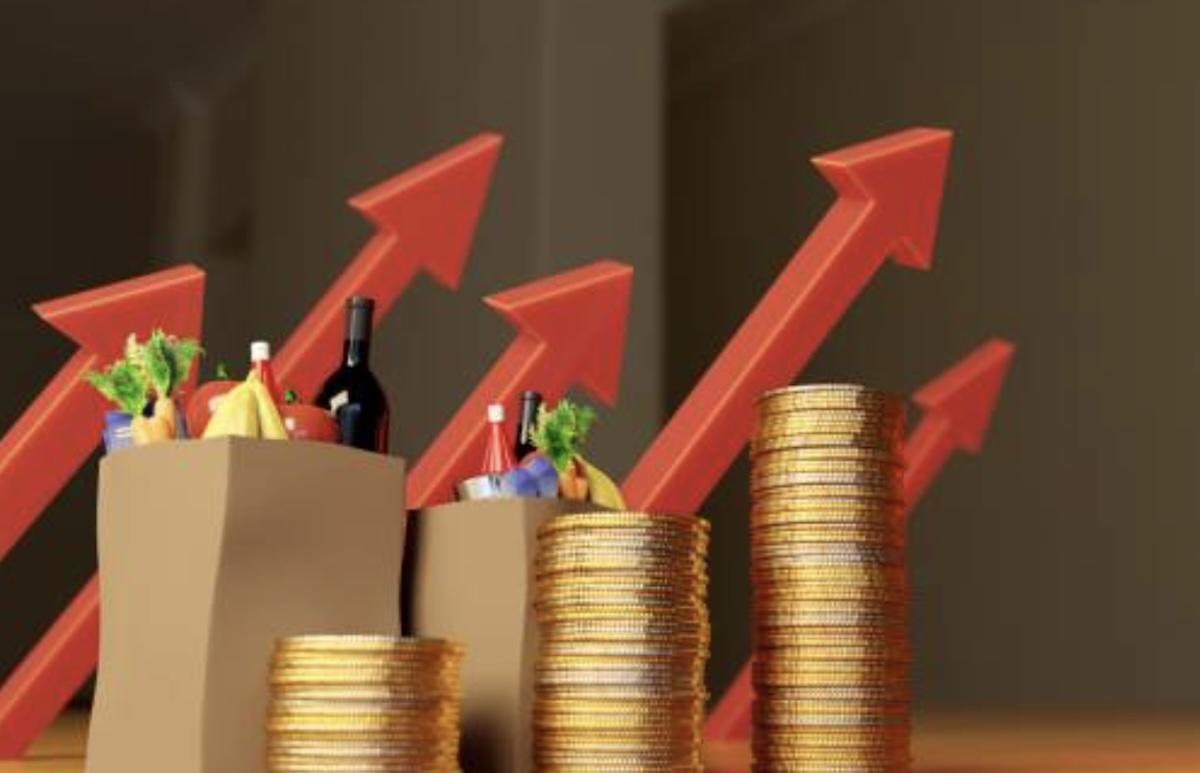
Why Your Grocery Cart Feels Smaller and Pricier
If you’ve walked out of a grocery store lately wondering why your bag seems lighter but your receipt looks heavier, you’re not imagining it. Across the United States, consumers are experiencing two sneaky forms of inflation that companies rarely talk about: shrinkflation and skimpflation.
These silent price hikes don’t always involve raising the sticker price. Instead, brands use subtle tactics—like shrinking product sizes or lowering quality—to maintain profits while keeping customers unaware. And for American shoppers already stretched by rising living costs, these hidden strategies are making grocery shopping more frustrating than ever.
What Is Shrinkflation?
Shrinkflation occurs when companies reduce the size, weight, or quantity of a product but keep the price the same—or sometimes even raise it.
You’ve probably seen it without realizing:
- A cereal box with less cereal
- A bag of chips with more air than snacks
- Toilet paper with fewer sheets per roll
- Candy bars that look noticeably smaller
Brands use shrinkflation to cut costs without alarming customers with an obvious price increase. The product looks mostly the same on the shelf—until you notice you’re getting less for your money.
What Is Skimpflation?
Skimpflation is when companies reduce the quality of a product while keeping the price the same. Instead of shrinking the package, they cut corners on ingredients, service, or production.
Examples include:
- Cheaper ingredients in frozen meals
- Thinner paper towels or weaker cleaning products
- Ice cream with more air and less cream
- Bread with more fillers and fewer premium ingredients
- Customer service wait times longer than ever
With skimpflation, the box may look identical, but what’s inside is not what it used to be.
Why Companies Use These Hidden Inflation Tactics
Businesses face rising costs, too—labor, materials, transportation, packaging, and energy. Instead of raising prices in a way customers would immediately notice, they use shrinkflation or skimpflation to preserve profit margins quietly.
Companies prefer these methods because:
- They cause less consumer backlash
- Most shoppers don’t check weight or ingredients
- Packages and branding stay visually consistent
- Competitors are often doing the same thing
It’s a subtle way to make price increases feel less painful… even though they are.
Why Consumers Feel the Impact More Than Ever
1. Budgets Are Already Stretched
Americans are dealing with higher costs for housing, gas, childcare, healthcare, and utilities. Shrinkflation and skimpflation worsen this squeeze.
2. Grocery Shopping Is a Weekly Expense
Even small changes add up. Paying the same for a smaller product means your household goes through items faster, requiring more frequent purchases.
3. Lower-Quality Goods Break or Spoil Faster
What once lasted a month may now only last two weeks. That forces repeat purchases—another silent cost.
4. Shoppers Are Paying More for Less Value
A cheaper ingredient or diluted product means you’re not getting the quality you expect.
Real-Life Examples Shoppers Are Angry About
While product names vary, common categories affected include:
- Snacks: Chips, cookies, crackers
- Dairy: Yogurt cups, ice cream, cheese blocks
- Household goods: Toilet paper, detergent, paper towels
- Packaged foods: Pasta, cereal, canned goods
- Personal care: Shampoo, soap, toothpaste
Some brands reduce portions by just enough that it’s harder to notice immediately—but shoppers catch on over time.
Shrinkflation vs. Skimpflation: Key Differences
| Feature | Shrinkflation | Skimpflation |
|---|---|---|
| What changes? | Quantity | Quality |
| Price? | Usually stays the same | Usually stays the same |
| Consumer reaction | Often unnoticed at first | Noticeable after use |
| Common in | Food, household items | Food, personal care, customer service |
| Impact | You buy more often | Your experience worsens |
Both cost consumers more—just in different ways.
How to Spot Shrinkflation and Skimpflation
Look at weight and unit pricing
Compare ounces or grams instead of relying on package size.
Track ingredient labels
New fillers or cheaper substitutes often indicate skimpflation.
Check sheet counts or ply numbers
For paper products, the details matter.
Buy from warehouse stores
Larger bulk purchases often slow shrinkflation trends.
Watch for sudden texture, flavor, or durability changes
If something tastes different or wears out faster—quality has been reduced.
How Consumers Can Fight Back
1. Switch to Generic or Store Brands
Many store brands maintain consistent quality and pricing.
2. Buy in Bulk
Warehouse clubs typically deliver better value per unit.
3. Use price-tracking apps
These help identify when cost-per-ounce spikes.
4. Support transparent brands
Some companies openly disclose price or size changes.
5. Voice concerns
Consumer feedback influences brands more than many people realize.
The Bigger Picture: What These Trends Mean for the Future
Shrinkflation and skimpflation aren’t just temporary responses—they may represent a long-term shift in how companies manage inflation. Many experts believe:
- Packages will continue to shrink
- Quality may decline unless consumers push back
- Transparency legislation may eventually be introduced
- Shoppers will become more price-savvy
The American grocery cart is evolving—and consumers need to be more informed than ever.
Hidden Inflation Is Here to Stay—For Now
Shrinkflation and skimpflation are subtle but powerful ways companies raise your grocery bill without raising the price tag. By understanding these tactics and shopping smarter, consumers can protect their budgets and make better-informed choices.
The more people recognize these hidden strategies, the more pressure companies will face to remain honest and transparent. Until then, being aware is your strongest defense.