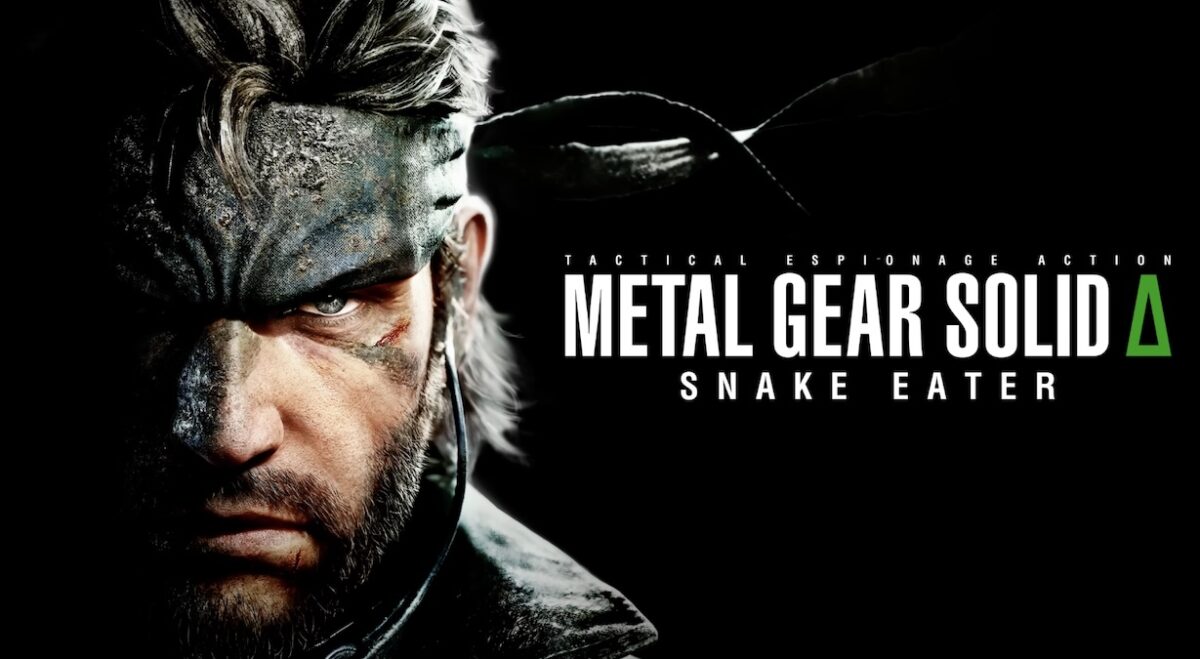
There’s a mission, deep in the jungles of the Soviet Union, that defined a generation of gamers. A mission of survival, betrayal, and the birth of a legend. That mission was Metal Gear Solid 3: Snake Eater, and now, over two decades later, it’s returning not as a simple remaster, but as a ground-up reimagining: Metal Gear Solid Delta: Snake Eater.
But is this ambitious remake a worthy tribute to one of the greatest games ever made? Or does it get caught in its own trap? This review breaks down why this isn’t just a nostalgia trip—it’s an essential experience for both seasoned veterans and curious newcomers.
A Story for the Ages, Now More Immersive Than Ever
At its heart, Delta remains the same unforgettable story. You are Naked Snake, a rookie operative sent on a suicide mission in 1964 to rescue a scientist and sabotage a superweapon. What unfolds is a gripping, cinematic tale of loyalty, the blurred lines of patriotism, and the painful price of becoming a legend.
The magic of Metal Gear Solid Delta: Snake Eater lies in how it tells this story. Built in Unreal Engine 5, the game is a visual masterpiece. The jungles of Tselinoyarsk are no longer a backdrop; they are a living, breathing character. Sunlight filters through dense canopies, rain soaks the foliage, and every blade of grass moves with purpose. The character models are incredibly detailed, capturing every nuanced expression of fear, determination, and sorrow from the iconic voice performances. This isn’t just a graphical upgrade; it’s a complete atmospheric overhaul that pulls you deeper into the story’s emotional core.
Gameplay Evolution: Honoring the Past, Embracing the Present
The original Snake Eater was praised for its innovative “CQC” (Close Quarters Combat) and survival mechanics. Delta doesn’t just preserve these systems—it refines them for a modern audience.
- Modernized Controls: The clunky, dated controls of the PS2 era are gone. The movement and aiming are now smooth and intuitive, aligning with contemporary third-person action games. This makes sneaking, aiming, and engaging in CQC feel fluid and responsive.
- A Living Jungle: The core survival loop is more engaging than ever. Hunting for food, healing your wounds, and changing your camouflage to blend into new environments are not just menu-based tasks. They are seamless parts of the gameplay that make you feel like a true survivalist.
- The Perfect Stealth Sandbox: The level design, always a series strong point, remains intact. Each area is a puzzle box, offering countless ways to approach your objective. Will you tranquilize every guard? Lure them away with noise? Or simply slither through the grass unseen? The choice, and the thrill, is yours.
The Sound of Espionage
A review of Metal Gear Solid Delta: Snake Eater would be incomplete without praising its audio. The legendary voice cast, including David Hayter as Snake, reprises their roles, delivering the iconic dialogue with the same gravitas. The score, a mix of haunting orchestral pieces and the unforgettable “Snake Eater” theme song, has been re-recorded with a full orchestra, making every moment more epic and emotionally resonant. The ambient sounds of the jungle—the chirping of crickets, the distant roar of a bear, the patter of rain—create an unparalleled sense of immersion through a headset.
Who Is This Game For?
- For Veterans: This is the definitive way to experience your favorite game. It’s the story you love, looking and playing better than you ever could have imagined on the PS2. It’s a chance to return to a beloved classic and see it in a stunning new light.
- For Newcomers: You’ve heard the legends. You’ve seen the memes. This is your perfect entry point. This is where the Metal Gear saga truly begins, and with modernized controls and visuals, there has never been a better time to discover why this game is so revered.
The Verdict: A Gritty, Masterful Resurrection
Metal Gear Solid Delta: Snake Eater is more than a remake; it’s a faithful and breathtaking preservation of a masterpiece. It demonstrates a profound respect for the source material while thoughtfully updating the controls and visuals for a modern audience. It is a love letter to fans and a compelling invitation to a new generation.
However, it is crucial to understand the atmosphere you are stepping into. Unlike the more open, sandbox-style Metal Gear Solid V: The Phantom Pain, Delta is a tightly woven, linear narrative with a distinctly gritty and gloomy tone. This is not a flaw, but a deliberate artistic choice. The story is a personal, tragic opera set in a suffocating jungle, dealing with themes of betrayal, loss, and the heavy cost of duty. The visual palette is dominated by lush but often foreboding greens, browns, and grays, reflecting the serious and somber mood of the narrative.



Final Recommendation:
If you are seeking a vibrant, free-form playground like MGSV, you may find Delta‘s more serious, narrative-driven pace and gloomy atmosphere to be a stark contrast. But if you appreciate a deep, cinematic, and emotionally resonant story—a true espionage thriller that prioritizes mood and narrative over sheer openness—then this is an unforgettable experience.
This isn’t just a trip down memory lane. It’s a reaffirmation of why Metal Gear Solid 3 is a timeless classic. For those who can embrace its serious tone, this is a mission you must accept. Prepare yourself for the pain of loss, the thrill of the hunt, and the birth of a legend. The jungle awaits.