The Power Question
In the race to fight climate change, the world is searching for energy sources that are both clean and sustainable. Solar panels and wind turbines dominate the headlines, but one powerful contender keeps re-entering the conversation — nuclear energy.
For decades, nuclear power has been a paradox: a technology capable of lighting entire cities without spewing carbon dioxide, yet burdened with fears of radioactive waste and meltdowns. This raises a question that continues to divide scientists, policymakers, and environmentalists alike:
Is nuclear energy renewable?
The answer isn’t as straightforward as it seems. It depends on how we define “renewable,” how we manage resources, and what kind of technology the future holds.
What Does “Renewable Energy” Actually Mean?
To understand where nuclear fits, we first need to define what makes energy renewable.
Renewable energy comes from sources that naturally replenish themselves in a human timescale — such as sunlight, wind, rain, tides, and geothermal heat. These sources don’t run out or deplete with use.
In contrast, nonrenewable energy depends on finite materials that take millions of years to form — like coal, oil, and natural gas. Once we extract and burn them, they’re gone for good.
So, where does nuclear energy belong? It’s powered by uranium, a metal mined from the Earth, which doesn’t regenerate naturally like sunlight or wind. That makes nuclear technically nonrenewable — but there’s more nuance to the story.
How Nuclear Energy Works
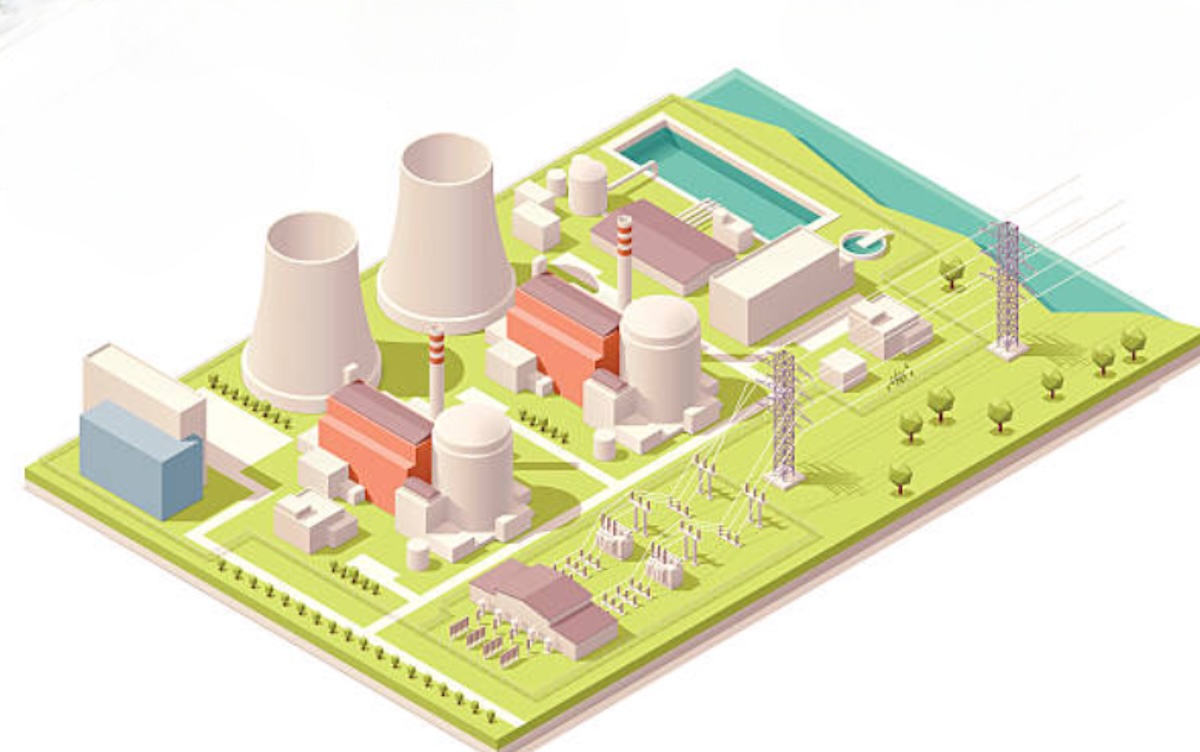
Nuclear energy is produced through a process called fission, where atoms of uranium-235 are split inside a reactor. This reaction releases enormous amounts of heat, which turns water into steam that spins turbines to generate electricity.
The power density of uranium is astonishing — one uranium fuel pellet (the size of a fingertip) can produce as much energy as one ton of coal or 150 gallons of oil.
This efficiency makes nuclear energy one of the most energy-dense power sources known to humanity. However, because uranium must be mined and processed, and because waste management is complex, nuclear energy straddles the line between renewable and sustainable.
The Case For Nuclear Being Renewable
Although uranium isn’t infinite, several factors make nuclear energy behave like a renewable source in practice.
4.1. Low Carbon Emissions
Nuclear power plants emit virtually zero greenhouse gases during operation. Compared to fossil fuels, nuclear has one of the smallest carbon footprints per kilowatt-hour of electricity.
That’s why many climate scientists argue that nuclear energy should be part of the world’s clean energy mix.
4.2. Massive Energy Output from Small Fuel Amounts
Because of the energy density of uranium, even small quantities can power cities for years. This efficiency makes nuclear more sustainable over time, especially if recycling becomes widespread.
4.3. Advancements in Reactor Technology
Next-generation nuclear technologies — such as breeder reactors and thorium-based systems — could make nuclear energy nearly self-sustaining.
- Breeder reactors create more fissile material than they consume, effectively recycling fuel.
- Thorium reactors use a more abundant and safer element than uranium.
- Fusion reactors — the “holy grail” of clean energy — promise virtually unlimited power using hydrogen isotopes from seawater.
If these technologies mature, nuclear energy could move closer to being truly renewable.
The Case Against Nuclear Being Renewable
Despite its potential, there are valid reasons many scientists don’t classify nuclear energy as renewable.
5.1. Uranium Is Finite
Uranium must be mined from the Earth, and while reserves are plentiful today, they’re not infinite. Without advanced recycling or alternative fuels, we could eventually run out of economically viable uranium.
5.2. Radioactive Waste and Storage
Spent nuclear fuel remains radioactive for thousands of years, posing long-term environmental and safety challenges. Finding secure, permanent storage has been a persistent issue for decades.
5.3. High Costs and Long Timelines
Building nuclear power plants is expensive and time-consuming. Many projects in the U.S. face delays, cost overruns, and public opposition — all of which make rapid scaling difficult.
5.4. Environmental and Safety Concerns
Mining uranium can disturb ecosystems and produce radioactive waste. Although modern reactors are much safer than older designs, public fears remain strong due to historic accidents like Chernobyl (1986) and Fukushima (2011).
For many environmental advocates, these risks outweigh the benefits.
Environmental Impact and Carbon Footprint
In terms of direct emissions, nuclear power is among the cleanest energy sources available.
- Nuclear energy: ~12 grams of CO₂ per kWh
- Solar energy: ~45 grams of CO₂ per kWh
- Natural gas: ~450 grams of CO₂ per kWh
- Coal: ~1,000 grams of CO₂ per kWh
However, the life-cycle impact of nuclear includes mining, fuel processing, plant construction, and waste storage. These processes require energy and materials, meaning nuclear is low-carbon, not zero-carbon.
Another factor is water use — nuclear plants need large quantities of water for cooling, which can strain local water supplies, especially during droughts.
Economic and Policy Perspectives
The debate around whether nuclear is renewable is not just scientific — it’s political and economic.
In the U.S., nuclear provides about 18–20% of total electricity and half of all low-carbon power. Yet public investment in nuclear has lagged behind renewables due to high costs and political controversy.
7.1. Policy Inclusion and Incentives
Some states, like Illinois and New York, classify nuclear as part of their clean energy portfolios, while others don’t. The Inflation Reduction Act (IRA) of 2022 also extended clean energy credits to nuclear plants, signaling growing recognition of its climate benefits.
7.2. Global Perspective
- France generates over 70% of its electricity from nuclear, treating it as a cornerstone of its clean energy strategy.
- Japan and Germany, by contrast, scaled back nuclear use after Fukushima, though both now face energy security challenges.
Whether a country classifies nuclear as “renewable” often reflects its energy priorities and public trust more than strict definitions.
Public Perception and Safety
Public opinion plays a huge role in nuclear policy.
Images of glowing waste barrels and disaster footage have shaped decades of fear. But statistically, nuclear energy is far safer than most people believe.
Studies show that deaths per unit of electricity generated are lower for nuclear than for coal, oil, or even biomass. Modern reactor designs include fail-safe mechanisms, automated shutdowns, and passive cooling systems that prevent meltdowns even during power loss.
Still, rebuilding trust will take time — especially after events that left lasting cultural scars.
The Future of Nuclear Energy in the U.S.
Despite past controversies, nuclear energy is regaining attention in the United States.
9.1. Small Modular Reactors (SMRs)
Companies like NuScale Power are developing Small Modular Reactors, which are cheaper, safer, and quicker to deploy than traditional nuclear plants. They could serve as reliable baseload power alongside renewables.
9.2. Fusion Energy Breakthroughs
In 2022, scientists at Lawrence Livermore National Laboratory achieved nuclear fusion ignition — a milestone that proves fusion can produce more energy than it consumes. Fusion, if commercialized, would be the ultimate renewable energy, using hydrogen isotopes found in water.
9.3. Integration with Renewable Grids
Future energy systems may combine nuclear with renewables, using nuclear as a steady backbone for solar- and wind-dependent grids. This hybrid model could stabilize power supply while cutting carbon emissions drastically.
So, Is Nuclear Energy Renewable?
So, after all the debate, what’s the answer?
From a scientific standpoint, nuclear energy is not renewable because it relies on mined materials that can deplete.
But from a practical and sustainability perspective, it can be viewed as a low-carbon, long-term energy source capable of supporting a renewable future — especially if next-generation technologies like breeder reactors or fusion succeed.
In other words:
Nuclear energy isn’t renewable — but it’s essential for a sustainable future.
As the world transitions away from fossil fuels, nuclear may act as a bridge technology — ensuring stable, low-carbon power while renewables scale up.
FAQs: Is Nuclear Energy Renewable?
Q1: Why isn’t nuclear energy considered renewable?
Because it relies on uranium, a finite mineral that must be mined. Renewable sources like solar and wind replenish naturally.
Q2: Is nuclear energy clean?
Yes, nuclear energy produces almost no greenhouse gas emissions during operation, making it one of the cleanest power sources available.
Q3: Can nuclear energy become renewable in the future?
Possibly. Advanced breeder reactors, thorium cycles, and fusion energy could make nuclear power nearly self-sustaining.
Q4: How does nuclear compare to solar and wind?
Nuclear offers constant “baseload” power, unlike intermittent renewables, but comes with higher costs and waste concerns.
Q5: What’s the future of nuclear energy in the U.S.?
Expect more investment in small modular reactors (SMRs) and fusion research, as the U.S. seeks to balance clean energy goals with reliable power supply.
Do You Trust Nuclear Energy?
The debate over whether nuclear energy is renewable reflects the broader challenge of our time — finding a balance between sustainability, safety, and innovation.
While uranium may be finite, human ingenuity isn’t. As technology evolves, nuclear power could help redefine what “renewable” truly means in a world hungry for clean, constant, and carbon-free energy.