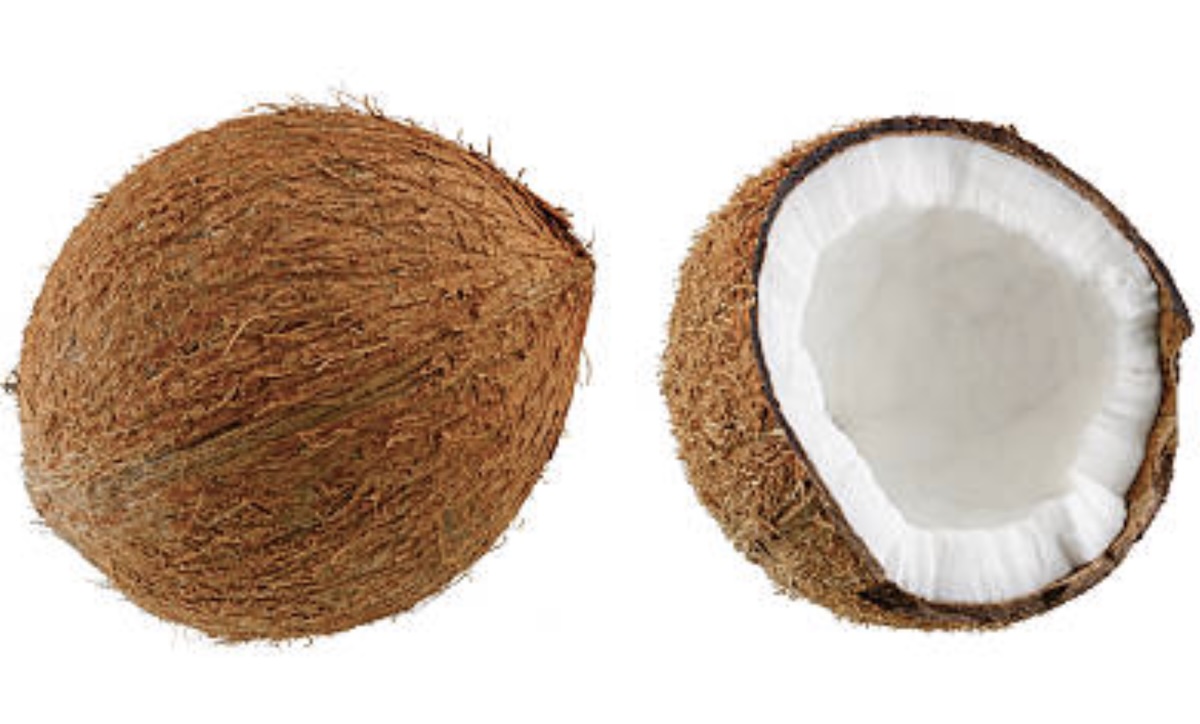
🥥 The Coconut Oil Boom in the U.S.
Walk into any grocery store or beauty aisle in America, and you’ll notice a familiar white jar: coconut oil. Once known mainly for cooking in tropical regions, coconut oil has exploded into a multi-billion-dollar global market. Today, it powers everything from smoothies and skincare to wellness routines and natural home products.
In the United States, consumers are increasingly drawn to clean, organic, and plant-based products — and coconut oil fits that description perfectly. It’s not just a food staple; it’s part of a lifestyle shift toward natural living.
For entrepreneurs, that makes now an ideal time to launch a coconut oil business — one that’s sustainable, ethical, and profitable.
Understanding the Coconut Oil Market
Before diving in, it’s essential to understand the market landscape.
The U.S. coconut oil market is growing steadily, valued at several hundred million dollars annually and projected to continue climbing. The demand spans multiple sectors:
- Food and beverage (for cooking and health supplements)
- Beauty and cosmetics (for skin and hair products)
- Wellness and aromatherapy (for relaxation and holistic health)
Consumers are particularly interested in organic, cold-pressed, and sustainably sourced coconut oil. However, this also means the competition is fierce — established brands like Nutiva, Viva Naturals, and Parachute already dominate shelves.
But there’s still room for small businesses to thrive by emphasizing niche positioning — whether that’s local production, zero-waste packaging, or fair-trade sourcing.
Choosing Your Business Model
There’s no single path to entering the coconut oil business. You can choose one of several models depending on your resources and vision.
a. Manufacturing Your Own Coconut Oil
You’ll be responsible for the entire production chain — from importing coconuts or raw oil to processing, bottling, and labeling.
✅ Pros: Full control over quality and branding.
⚠️ Cons: Higher startup costs and more complex logistics.
b. Private Labeling or White Labeling
You partner with an existing manufacturer to create your brand using their production facilities.
✅ Pros: Low investment, faster launch.
⚠️ Cons: Less control over formulation and production methods.
c. Importing and Distributing
You import bulk coconut oil from overseas producers (e.g., the Philippines, Indonesia, or Sri Lanka) and sell it wholesale or directly online.
✅ Pros: Good margins and scalable.
⚠️ Cons: Requires strong supplier relationships and import knowledge.
Choose your model based on your startup capital, production capabilities, and business goals.
Crafting Your Coconut Oil Business Plan
Every successful venture begins with a clear plan. Here’s what your business plan should include:
- Market Research: Identify your target customers — are they health enthusiasts, beauty product users, or eco-conscious consumers?
- Financial Planning: Estimate startup costs (production, packaging, certifications, marketing).
- Business Structure: Decide whether to form an LLC, sole proprietorship, or corporation.
- Funding Options: Explore small business loans, USDA grants for sustainable products, or green entrepreneurship funding.
A well-crafted business plan not only guides you but also helps attract potential investors or partners who share your sustainable vision.
Sourcing and Production
The heart of your business lies in the quality of your coconut oil.
Most U.S.-based coconut oil brands import coconuts or semi-processed oil from Asia or the Caribbean — regions where coconuts grow naturally and affordably. You’ll need to partner with ethical suppliers or cooperatives to ensure quality and fair trade practices.
The production process generally includes:
- Drying coconut meat (copra)
- Pressing or extracting oil — cold-pressed is preferred for purity
- Filtering and refining (if necessary)
- Packaging in glass jars or eco-friendly containers
If your product is for consumption or cosmetic use, you must comply with FDA regulations and labeling standards. Clean facilities, quality control testing, and accurate ingredient lists are critical.
Branding and Product Development
Now comes the creative part — building a brand that resonates.
Find Your Niche
Decide what sets your product apart:
- 100% organic and cold-pressed
- Fair trade and sustainable sourcing
- Zero-waste or minimalist packaging
- Beauty-grade vs. culinary-grade coconut oil
Design a Strong Brand Identity
Invest in a professional logo, cohesive packaging, and a compelling brand story that emphasizes your mission. For example:
“Our coconut oil empowers small farmers while promoting a toxin-free lifestyle.”
Expand Your Product Line
Once established, you can diversify with:
- Coconut oil-based skincare (balms, serums)
- Hair care products (masks, conditioners)
- Culinary blends (infused oils, flavored variants)
Consumers love brands that evolve with their needs.
Marketing and Distribution Strategy
Marketing will make or break your business — even the best coconut oil won’t sell itself.
a. Build an Online Presence
Create a website using platforms like Shopify or Squarespace and optimize it for search engines.
Focus on keywords like organic coconut oil USA or cold-pressed coconut oil for skin.
Use storytelling to connect emotionally with visitors.
b. Leverage Social Media
Instagram, TikTok, and Pinterest are your best friends for natural beauty and wellness products. Post educational content — “5 Ways to Use Coconut Oil for Glowing Skin” — and behind-the-scenes stories about your brand.
c. Collaborate with Influencers
Partner with health, fitness, and beauty influencers for product reviews or sponsored posts. Authentic voices can amplify your reach.
d. Offline Opportunities
Sell at local farmers’ markets, organic stores, and boutique spas. Later, explore wholesale partnerships with wellness chains or hotels.
Legal, Health, and Labeling Requirements
Compliance is key to building trust and avoiding penalties.
FDA Guidelines
If you’re selling edible coconut oil, your product label must include:
- Ingredients
- Nutrition facts
- Allergen information (if applicable)
- Manufacturing details
For cosmetic-grade oils, follow FDA’s Cosmetic Labeling Guidelines.
Certifications
To boost credibility:
- USDA Organic Certification — for organic farming and processing.
- Fair Trade Certification — for ethically sourced ingredients.
- Non-GMO or Vegan Labels — for transparency.
Permits and Insurance
You’ll need:
- A business license (state and local).
- Product liability insurance.
- Import permits if you’re sourcing internationally.
Managing Costs and Maximizing Profit
Starting small can cost between $10,000–$30,000, depending on your scale and sourcing strategy.
Major expenses include:
- Equipment (pressing machines, filters, packaging line)
- Packaging and labeling materials
- Certifications and legal fees
- Marketing and website costs
Maximize Profit By:
- Buying raw materials in bulk
- Automating production as you scale
- Creating value-added products (e.g., scented coconut oils or scrubs)
- Using direct-to-consumer sales to avoid retail markups
Profit margins typically range between 25%–50%, especially for organic or premium brands.
Challenges and How to Overcome Them
Like any business, the coconut oil industry has its hurdles:
- Supply chain disruptions: Build multiple supplier relationships.
- High competition: Focus on branding and quality storytelling.
- Changing consumer trends: Stay flexible — evolve your product line.
- Certification delays: Start the process early to avoid launch setbacks.
The key to longevity is resilience and consistent product quality.
The Future of the Coconut Oil Business in America
Coconut oil is no passing trend — it’s part of a larger movement toward conscious consumption. The next decade will see growth in sustainably sourced, eco-packaged, and multi-purpose coconut oil products.
Entrepreneurs who align with these values — and communicate them clearly — will stand out in a competitive market. From wellness to sustainability, coconut oil continues to represent a bridge between nature and innovation.
Turning a Natural Resource into a Profitable Venture
Starting a coconut oil business in the United States isn’t just about selling a product — it’s about selling a lifestyle. With careful planning, sustainable sourcing, and authentic marketing, even small startups can build powerful brands that resonate with conscious consumers.
So, if you’ve been dreaming of turning coconuts into commerce, now’s the time to begin. With the right mix of purpose and strategy, your coconut oil business can thrive — naturally.
🌴Coconut Oil Business in the U.S.
1. How much does it cost to start a coconut oil business in the U.S.?
Startup costs range from $10,000 to $30,000 depending on whether you manufacture or private-label your products.
2. Is coconut oil manufacturing profitable?
Yes. With the right marketing and niche positioning, profit margins can reach 50%, especially for organic or specialty products.
3. What certifications do I need to sell coconut oil?
Common certifications include USDA Organic, Fair Trade, and FDA food or cosmetic compliance.
4. Can I import coconut oil and rebrand it?
Absolutely — private labeling or importing bulk coconut oil is a common strategy for small businesses.
5. What’s the best way to market coconut oil products?
Focus on digital marketing — social media, influencer collaborations, and SEO for e-commerce websites. Highlight sustainability and product purity.