What You’ll Need to Jump Start a Car
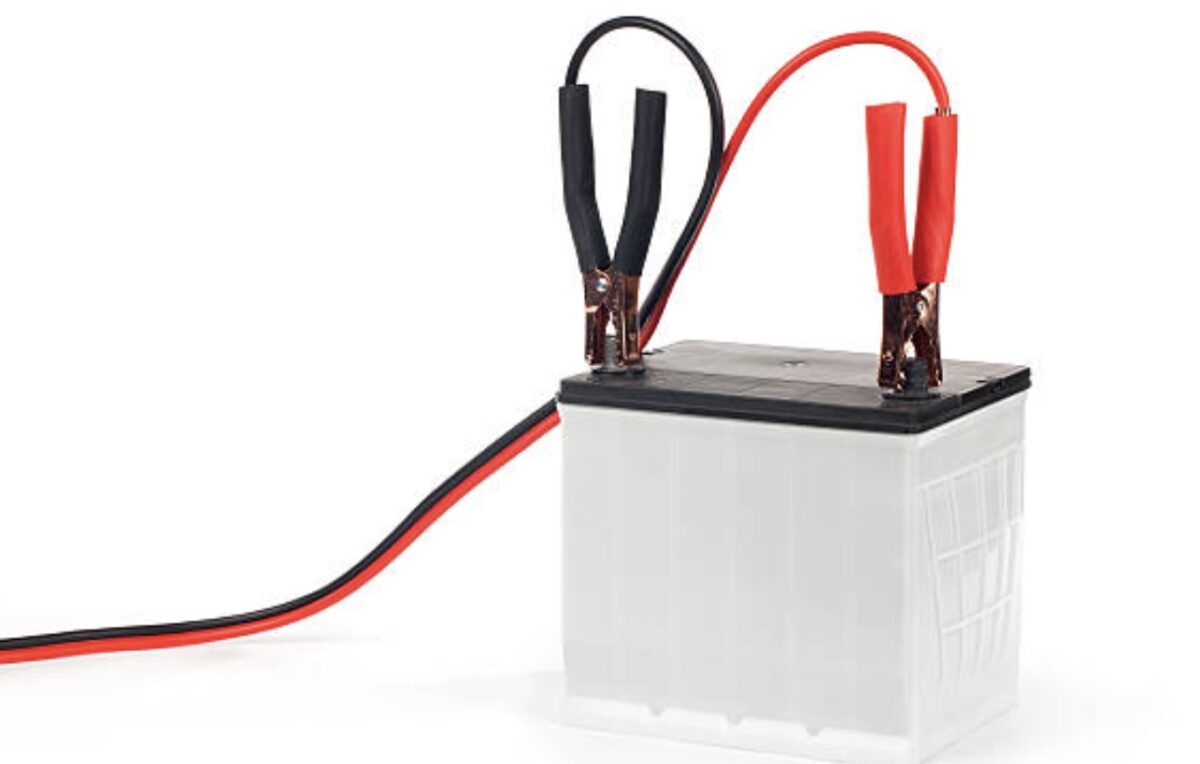
- Jumper cables (4-6 gauge recommended)
- Another vehicle with a good battery
- Safety gloves & glasses (optional but recommended)
- Owner’s manual (for special instructions)
Never use: Hybrid/electric vehicles as the donor car unless specified in manual
Step-by-Step Jump Starting Guide
Step 1: Prepare Both Vehicles
- Park the working car nose-to-nose or side-by-side with the dead car
- Turn off both ignitions and set parking brakes
- Remove any metal jewelry
Key Safety Tip: Never let cable clamps touch each other or any metal surface
Step 2: Connect the Jumper Cables
Follow this exact connection order:
- RED to DEAD: Connect positive (+) to dead battery
- RED to DONOR: Connect other positive (+) to working battery
- BLACK to DONOR: Connect negative (-) to working battery
- BLACK to GROUND: Attach final clamp to unpainted metal 12+ inches from dead battery (engine block ideal)

Step 3: Start the Donor Vehicle
- Start the working car
- Let it run at 1,500-2,000 RPM for 5 minutes
- Turn on heater (reduces voltage spikes)
Step 4: Start the Dead Vehicle
- Attempt to start the dead car
- If it doesn’t start within 5 seconds, wait 3 minutes before retrying
- Once started, leave both cars running connected for 2-3 minutes
Step 5: Disconnect the Cables
Reverse the connection order:
- Remove black ground clamp first
- Remove black from donor battery
- Remove red from donor battery
- Remove red from jumped battery
Critical: This prevents dangerous sparks near battery gases
Common Mistakes to Avoid
🚫 Incorrect Cable Order (Causes sparks/damage)
🚫 Letting Clamps Touch (Creates short circuits)
🚫 Using Damaged Cables (Frayed wires can overheat)
🚫 Small Gauge Cables (<6 gauge may not carry enough current)
Special Situations
Jump Starting Without Another Car
Options:
- Portable jump starter ($60-$200)
- Battery charger (6+ hour wait)
- Solar charger (24+ hours)
Modern Cars with Electronic Systems
- Check manual for special procedures
- Some require waiting 15 minutes after connection
- May need OBD-II reset after jump
After Successful Jump Start
- Drive for at least 30 minutes to recharge
- Get battery tested at auto parts store
- Check for:
- Corroded terminals
- Parasitic drain
- Alternator issues
When Jump Starting Won’t Work
Seek professional help if:
- Battery is swollen or leaking
- You smell rotten eggs (sulfur)
- Car makes rapid clicking but won’t turn over
- Multiple jump attempts fail
Jumper Cable Recommendations
| Feature | Budget Option | Premium Choice |
|---|---|---|
| Gauge | 6 gauge | 4 gauge |
| Length | 10-12 ft | 20-25 ft |
| Clamps | Standard | Copper-coated |
| Warranty | 1 year | Lifetime |
| Price | $25-$40 | $60-$100 |
Best brands: Cartman, DeWalt, Stanley
FAQs
❓ Can jump starting damage my car?
Yes, if done incorrectly—especially risky for modern cars with sensitive electronics. Always follow proper sequence.
❓ How long should I drive after a jump?
Minimum 30 minutes highway driving or 1 hour city driving to properly recharge.
❓ Why connect to ground instead of battery?
Prevents sparks near battery that could ignite hydrogen gas.
Pro Tip: Prevention
Keep these in your trunk:
- Quality jumper cables
- Portable jump starter
- Battery terminal cleaner
- Emergency contact numbers