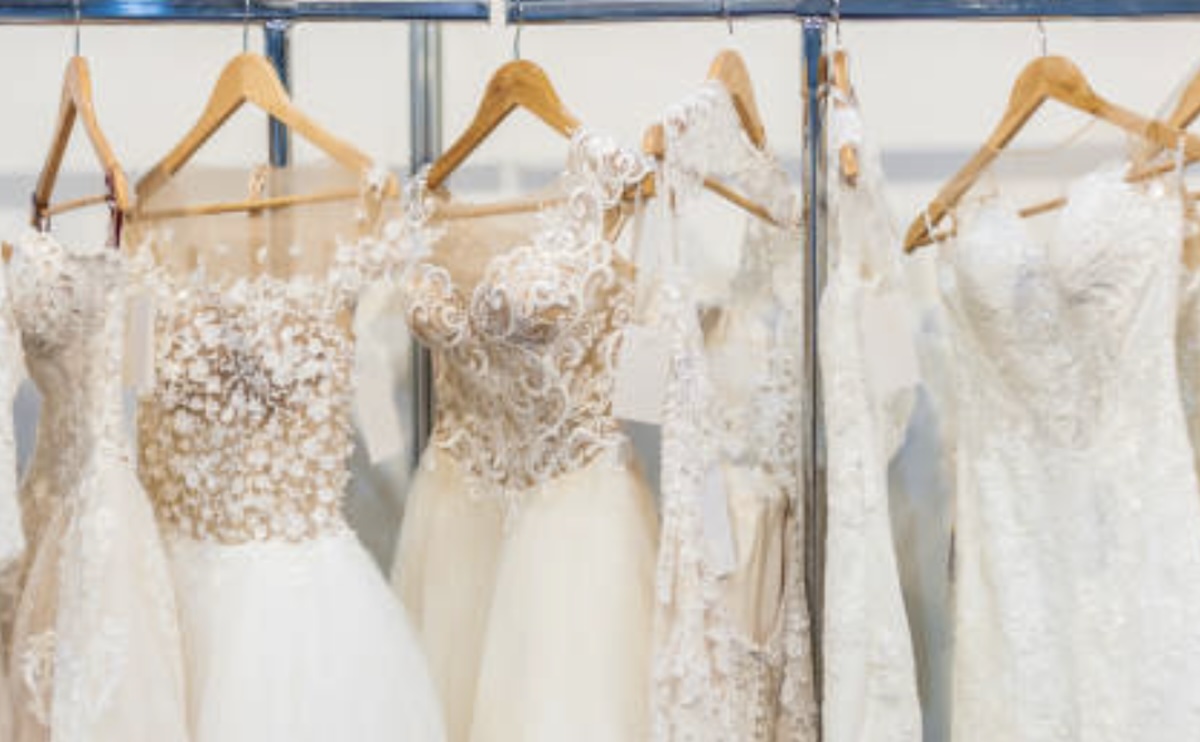
The U.S. bridal boutique industry, a cornerstone of many small businesses serving American weddings, is undergoing profound disruption due to rising tariffs on Chinese imports. With the majority of bridal gowns and related materials sourced from Asia—particularly China—boutiques across the country are grappling with sudden cost increases, manufacturing delays, and supply chain challenges that threaten their survival.
The Global Backbone of Bridal Gown Manufacturing
Approximately 90% of wedding gowns sold in the U.S. are produced in China, where skilled labor and cost-efficient manufacturing have historically made high-quality dresses more accessible. These dresses, along with essential components such as lace, beading, zippers, and satin fabrics, depend on a well-established global supply chain. The recent imposition of tariffs, some as high as 145%, has severely disrupted this flow.
Many bridal boutiques are independently owned small businesses that rely on timely and affordable imports to meet customers’ demands. These boutiques often work with tight wedding deadlines and fixed budgets. A delay or price spike can significantly impact not only their bottom line but also a bride’s ability to secure her dream dress.
Cost Pressures and Tariff Surcharges
With rising import costs, bridal designers and wholesalers have begun to pass on the burden. Many have implemented tariff surcharges ranging from 6% to 39%, leading to higher retail prices in bridal boutiques. For instance, a $2,200 dress could now cost up to $2,500 after tariff-related price increases. This has added an extra layer of financial stress for brides already navigating the high costs of weddings, which average between $31,000 and $37,500 in the U.S.
Larger players, like David’s Bridal, have accelerated efforts to relocate production to countries such as Vietnam, Myanmar, and Sri Lanka to mitigate tariff impacts. However, smaller designers and boutiques don’t always have the resources to pivot so quickly or efficiently, making them more vulnerable.
The Challenge of Domestic Manufacturing
Although some bridal businesses are moving production to the U.S., this solution comes with its own complications. Domestic bridal gown manufacturing requires a highly specialized workforce, including pattern makers and skilled seamstresses—roles that are increasingly difficult to fill due to demographic shifts and immigration policy constraints.
Luxury bridal brands with higher price points, such as Anne Barge, have been able to establish U.S.-based production facilities. But most bridal boutiques catering to mid-range or budget-conscious customers find this move financially unviable. Dresses priced under $3,000 often cannot sustain the added cost of American labor and materials.
The Future of the Bridal Boutique Business
The bridal boutique industry is calling for policy relief, including exemptions from import tariffs on bridal apparel. Trade associations representing thousands of bridal retailers have initiated campaigns aimed at lawmakers, emphasizing the cultural and economic importance of this niche sector.
In the meantime, bridal boutiques are adapting by offering more transparency in pricing, adjusting contracts to reflect potential tariff changes, and working closely with suppliers to manage surcharges. Some are also investing in AI-driven forecasting and inventory management to streamline operations and minimize waste.
Navigating the New Landscape
As the U.S. trade landscape evolves, bridal boutiques must remain agile. They are not just vendors of dresses but facilitators of once-in-a-lifetime experiences. Rising tariffs have made their jobs harder—but not impossible. Those that can innovate, diversify their supply chains, and remain transparent with their clients stand the best chance of weathering these challenges.
For brides and families navigating this new environment, early planning and open communication with their chosen bridal boutique are essential. Understanding where a gown is made, when it will arrive, and how global trends may affect pricing can help ensure the dress of their dreams doesn’t become a financial nightmare.