When discussing taxes, many people encounter terms like excise tax and sales tax. Though both are forms of indirect taxes, they function differently and are applied in distinct ways. In this article, we will explore the differences between excise tax and sales tax, shedding light on their characteristics, applications, and impact on consumers and businesses.
What is an Excise Tax?
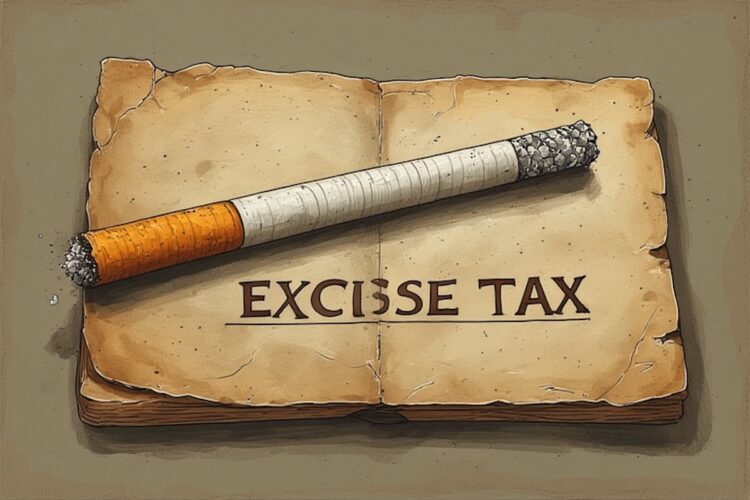
An excise tax is a tax imposed on specific goods or services, typically those considered harmful or non-essential. Examples include tobacco, alcohol, and gasoline. These taxes are often included in the price of the product, meaning consumers may not even realize they are paying the tax. Excise taxes are usually levied by the federal or state governments to discourage the consumption of certain products or raise revenue for public health programs.
- Purpose: The main goal of an excise tax is often to regulate behavior by increasing the cost of certain goods. For example, higher excise taxes on tobacco can reduce smoking rates.
- Application: Excise taxes are generally applied to products like fuel, tobacco, alcohol, or gambling services.
- Rate: The rate is fixed per unit, rather than based on the price of the product. For example, a specific amount is taxed for each pack of cigarettes or gallon of gasoline.
What is a Sales Tax?
A sales tax, on the other hand, is a broader tax applied to the sale of goods and services. Unlike excise tax, which targets specific products, a sales tax applies to almost any retail transaction. Sales tax rates are typically a percentage of the purchase price and are added at the point of sale, with consumers directly paying the tax to the seller.
- Purpose: Sales tax is mainly used to generate revenue for state and local governments, funding public services such as education, roads, and healthcare.
- Application: Sales tax applies to a wide range of goods and services, including food, clothing, electronics, and even services in some areas.
- Rate: Sales tax is a percentage of the total price of a good or service. For instance, if a sales tax rate is 10% and the cost of an item is $100, the sales tax would be $10.
Key Differences Between Excise Tax and Sales Tax
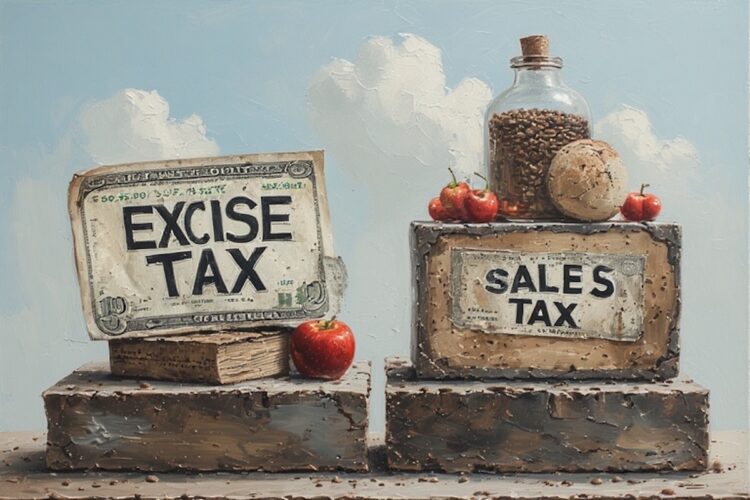
- Scope:
- Excise Tax: Applied to specific products, typically harmful or luxury items.
- Sales Tax: Applies to most goods and services sold to consumers.
- Payment Structure:
- Excise Tax: Often embedded in the price of the product, paid by the consumer but collected by the producer or retailer.
- Sales Tax: Added at the point of sale, and directly paid by the consumer.
- Rate:
- Excise Tax: Fixed rate per unit (e.g., per pack of cigarettes or per gallon of fuel).
- Sales Tax: A percentage of the purchase price of goods or services.
- Purpose:
- Excise Tax: Often serves to discourage consumption of harmful goods and fund specific health or environmental programs.
- Sales Tax: Primarily a source of revenue for state and local governments, funding general public services.
Real-World Examples of Excise and Sales Taxes
- Excise Tax: In the United States, the federal government imposes excise taxes on gasoline. If the tax rate is $0.18 per gallon, each time you buy a gallon of gas, you pay an additional $0.18 for the tax. Similarly, a pack of cigarettes may have an excise tax of $1.00 or more.
- Sales Tax: A state like California imposes a sales tax of 7.25% on most goods sold within the state. If you purchase a $50 shirt, you would pay $3.63 in sales tax (7.25% of $50).
Conclusion

Understanding the differences between excise tax and sales tax is essential for both consumers and businesses. While excise taxes target specific products, often to regulate their use or consumption, sales taxes are a more general way for governments to raise revenue. Knowing how each tax works can help you better understand the costs associated with the goods and services you buy.