It’s 2026, and you own a small furniture store in a mid-sized American town. Last year, sales were booming—people were remodeling, buying new homes, and updating their spaces. But now? Fewer customers walk in. Orders drop. You cut back on inventory. Your suppliers feel the pinch. And your part-time staff hours get slashed.
What’s happening?
You’re not alone. This is how a recession begins—not with a bang, but with a quiet decline in consumer demand that spreads like a ripple through the economy.
In this article, we’ll walk through how a recession develops as demand and production decrease, using real-life examples and a storytelling style to make it easy to follow—even if you’ve never taken an economics class.
📉 What Is a Recession?
A recession is a significant decline in economic activity that lasts for months—or even years.
It’s often defined by:
- Two consecutive quarters of GDP decline
- High unemployment
- Reduced consumer spending
- Lower industrial production
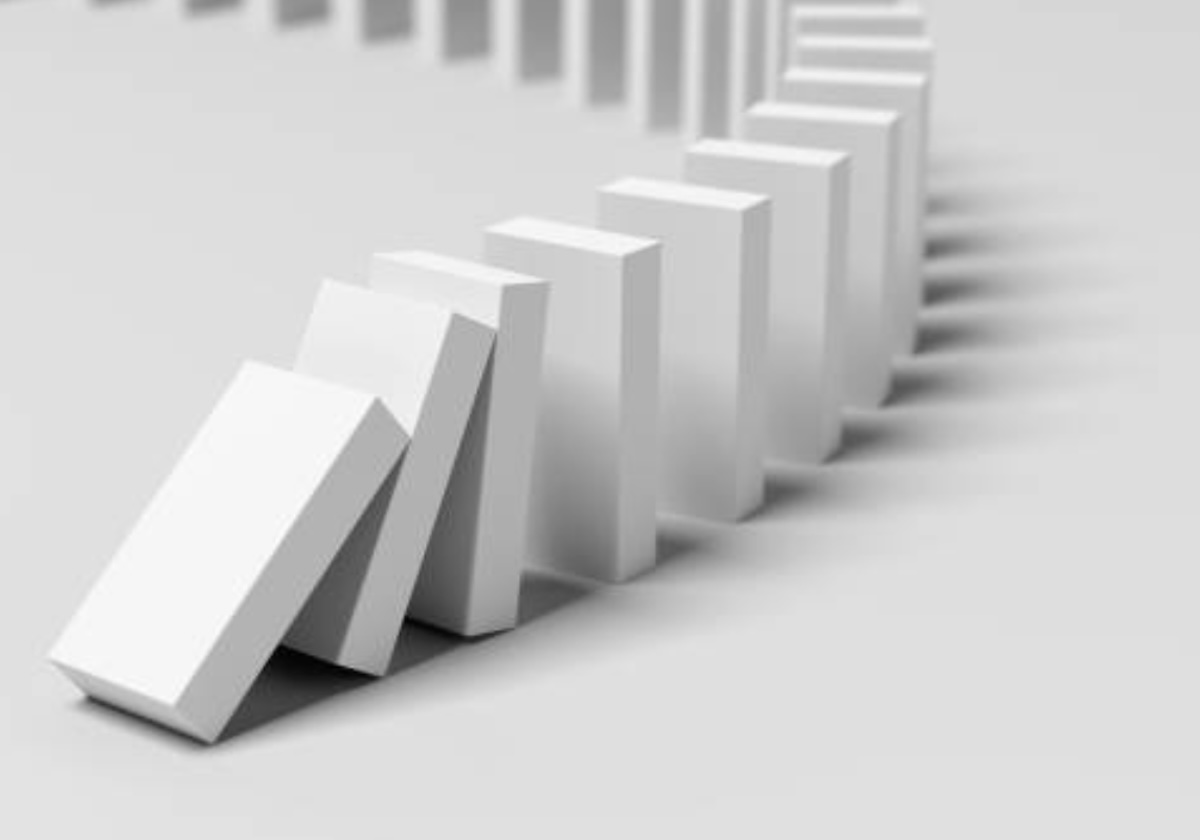
But behind the statistics lies a chain reaction—a domino effect that begins when demand falls and production slows in response.
🧩 How It Starts: A Drop in Demand
In any economy, consumer spending drives growth. When people spend less on goods and services, businesses suffer.
🔍 Example:
Let’s say gas prices spike or inflation rises sharply. Households tighten budgets—cutting out restaurant dinners, canceling vacations, and delaying home upgrades.
Suddenly:
- Restaurants have fewer customers
- Hotels sit half-empty
- Appliance sales fall
This is the first domino: decreased demand.
🏭 Next: Production Slows Down
As businesses notice lower demand, they:
- Cut back on manufacturing
- Order fewer raw materials
- Reduce employee hours
- Cancel expansion plans
🔍 Real-World Example:
In 2008, car sales plummeted during the Great Recession. In response, automakers like General Motors and Chrysler shut down factories and laid off thousands of workers. The steel industry, rubber manufacturers, and parts suppliers also cut production.
This creates a feedback loop:
Low demand → Less production → Fewer jobs → Even lower demand.
👷♂️ Unemployment Rises
When production slows, job losses often follow. Businesses try to reduce costs by:
- Letting go of employees
- Freezing hiring
- Cutting hours or benefits
As people lose income, they spend even less—which further reduces demand.
🔍 Example:
In the early months of the COVID-19 pandemic (2020), restaurants, airlines, and retail stores closed temporarily. Millions lost jobs. Even those who kept their jobs saved money “just in case,” slowing the economy further.
This is why recessions often feel worse than the numbers suggest—fear and uncertainty spread quickly.
🏦 Credit Tightens & Business Investment Falls
Banks become cautious during economic downturns. They tighten lending:
- Fewer business loans
- Higher interest rates
- Stricter credit approval
Without access to credit, small businesses can’t expand or even cover payroll. Consumers, too, stop using credit cards or applying for mortgages.
🔍 Example:
During the 2008 financial crisis, banks stopped lending to each other. Small businesses couldn’t get loans to stay afloat—even if they were otherwise healthy.
🔄 The Recession Reinforces Itself
Here’s what the recession feedback loop often looks like:
- Prices rise or an economic shock hits
- Consumers spend less
- Businesses cut production
- Jobs are lost
- Demand falls further
- Businesses invest and hire even less
- The economy shrinks across multiple sectors
This downward spiral continues until a turnaround—often prompted by:
- Lower interest rates
- Government stimulus
- Consumer confidence returning
- Pent-up demand
📦 Supply Chain Impact
Recessions don’t just hurt consumers and sellers—they hit the entire supply chain:
- Suppliers see fewer orders
- Distributors scale back operations
- Truckers, warehouse workers, port staff all feel the slowdown
🔍 Example:
In a recession, a company that makes kitchen appliances might reduce factory shifts. The metal supplier gets fewer orders. The packaging company cuts production. Retailers cancel future inventory.
📊 Case Study: The 2008 Recession
What triggered it:
- Housing market crash
- Massive mortgage defaults
- Bank failures (Lehman Brothers)
Demand fell:
- Home buying slowed
- Construction halted
- Retail and auto sales tanked
Production dropped:
- Factories closed or cut shifts
- 8.7 million jobs lost in the U.S.
- GDP fell by over 4%
It took years for demand, employment, and production to return to pre-recession levels.
🔄 Recession Recovery: How the Cycle Reverses
Eventually, a few things help stop the spiral:
- Government stimulus (e.g. checks, tax cuts)
- Lower interest rates to encourage borrowing
- Business innovation (new products/services)
- Consumer confidence rises slowly
- Pent-up demand leads to spending booms
🔍 Example:
Post-COVID stimulus checks in 2021 gave households extra spending money. This sparked demand for goods—from cars to electronics—helping revive production.
🧾 Key Takeaways:
- A recession often begins with falling demand.
- Businesses respond by cutting production.
- Job losses follow, reducing demand further.
- It becomes a self-reinforcing cycle.
- Recovery depends on confidence, credit, and consumer spending.
🧠 FAQs:
Q: Can a recession happen without job loss?
Rarely. Most recessions involve job losses, though some sectors are hit harder than others.
Q: How long does a recession last?
It varies. The average U.S. recession lasts 11 months, but some last longer (e.g. 2008-2009).
Q: Who declares a recession?
In the U.S., the National Bureau of Economic Research (NBER) officially declares the start and end of recessions.
Q: Is inflation related to recession?
Yes. Sometimes high inflation causes a recession when consumers and businesses cut spending in response to rising prices.
✨ Why This Matters
Recessions can feel abstract—just another headline or market statistic. But behind every drop in GDP or production is a real story:
- A small business struggling to stay open
- A family adjusting to a lost income
- A worker trying to find a new job
By understanding how a recession develops as demand and production decrease, we become better equipped to recognize the warning signs—and to support smarter policy, planning, and decision-making.
So whether you’re a student, a small business owner, or just someone curious about how the economy works, remember:
The economy is a chain of people, choices, and confidence. When one link weakens, the whole system feels it.