Tucked away on the northeastern shoulder of South America lies a country that often doesn’t make the front page of travel magazines—but perhaps it should. If you’ve found yourself asking, “Where is Guyana?” you’re not alone. This unique nation is a land of dramatic contrasts: where the Amazon rainforest meets the Atlantic Ocean, where jaguars roam and giant river otters play, and where English is the official language.
For the curious American traveler looking for a destination far from the well-trodden paths of Europe or the Caribbean, Guyana presents an thrilling, off-the-beaten-path adventure. But it also comes with important questions, the biggest being: “Is Guyana safe?“
Let’s embark on a journey to answer these questions and uncover what makes this country so special.
Where in the World is Guyana?
Let’s clear up the geography first. Guyana is located on the northern coast of South America. It’s the only English-speaking country on the continent, which immediately sets it apart from its Spanish-speaking neighbor, Venezuela, to the west, and Portuguese-speaking Brazil to the south. To the east is another small, fascinating country, Suriname.
Many people confuse Guyana with French Guiana or even Ghana in West Africa, but it is very much its own distinct place. Think of it as the gateway to the Caribbean from South America, with a culture that blends Indigenous, African, Indian, European, and Chinese influences into a vibrant mosaic.
The Capital City: Georgetown
So, what is the capital of Guyana? The answer is Georgetown.
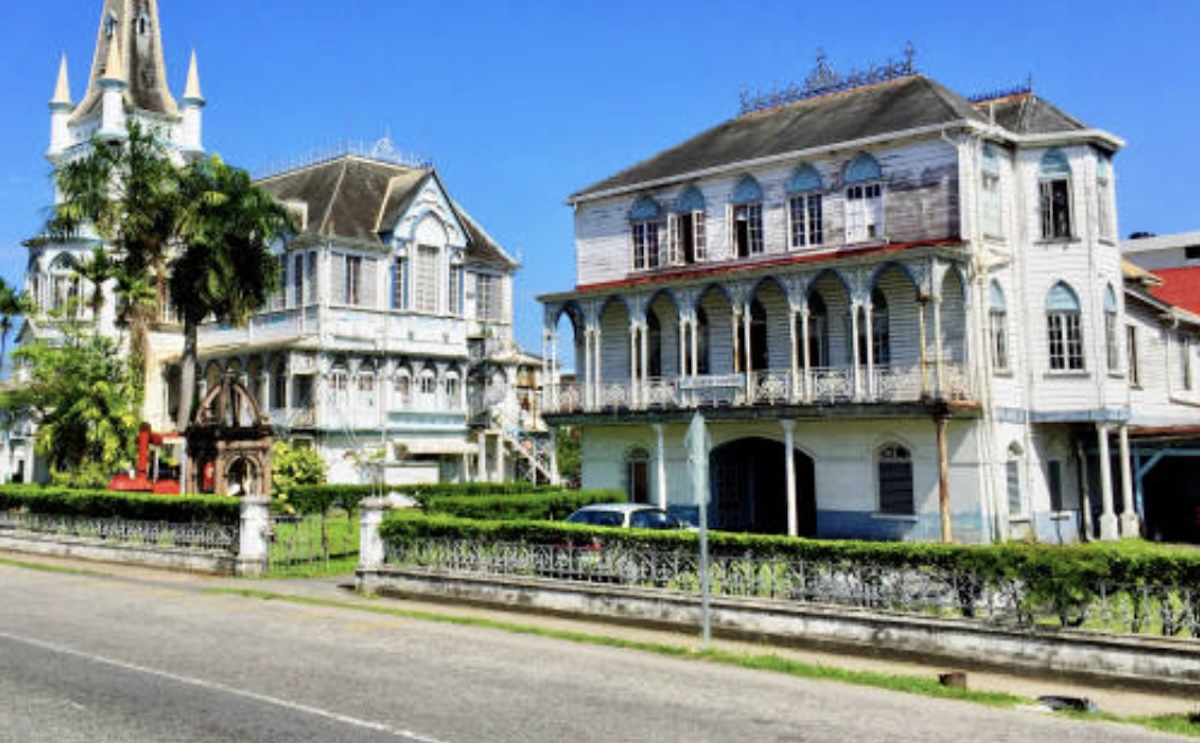
Nestled on the Atlantic coast at the mouth of the Demerara River, Georgetown is a city of charming, if sometimes faded, colonial architecture. It’s known for its iconic wooden buildings, including the magnificent St. George’s Cathedral, one of the tallest wooden churches in the world. Stroll through the city, and you’ll see bustling markets, tranquil canals (called kokers), and a friendly, multicultural population.
Key sites in the capital include:
- Stabroek Market: A vibrant, chaotic market hub where you can find everything from fresh produce to local crafts.
- The Botanical Gardens: A sprawling green space perfect for a leisurely walk and home to a variety of tropical plants and birds.
- The Seawall: A massive sea defense that stretches for miles, offering a popular place for locals and visitors to enjoy spectacular sunsets over the Atlantic.
The Million-Dollar Question: Is Guyana Safe for US Tourists?
This is the most critical consideration for any traveler. The US Department of State gives Guyana a Level 2 Travel Advisory, which advises travelers to “Exercise Increased Caution.” This is similar to advisories for popular destinations like France, Germany, and the United Kingdom.
Here’s the honest breakdown:
The Concerns:
Like many urban centers, Georgetown has issues with petty crime, such as pickpocketing and theft, especially in crowded areas or after dark. It is strongly advised not to walk alone at night in the city. Violent crime can occur, primarily related to local gang activity, but tourists are rarely the target if they exercise good judgment.
The Reality:
The vast majority of tourists who visit Guyana have a safe and incredible experience. The key is to be a smart, prepared traveler. The country’s incredible natural attractions—like the Kaieteur Falls (one of the world’s most powerful single-drop waterfalls) and the sprawling Rupununi savannah—are generally very safe when visited through organized tours.
Safety is less about the country being inherently dangerous and more about being aware of your surroundings, just as you would in any major city worldwide.
Essential Travel Tips for US Citizens Visiting Guyana
If you’re ready for an adventure, here’s how to prepare for a safe and memorable trip.
- Visa and Entry: US citizens do not need a visa for stays of up to 90 days. You will need a passport valid for at least six months beyond your date of entry.
- Health Preparations: This is crucial. Guyana is a malaria and yellow fever zone. Consult a travel doctor at least 4-6 weeks before your trip. You will likely need vaccinations for Yellow Fever (and you may need to show proof of vaccination upon re-entering other countries), Typhoid, and Hepatitis A and B. Anti-malarial medication is highly recommended.
- Money Matters: The currency is the Guyanese Dollar (GYD). US dollars are widely accepted, especially for tours and larger purchases, but it’s wise to have local currency for small vendors. Carry smaller bills for easier transactions.
- Getting Around: Do not rent a car. Driving conditions can be challenging. Instead, rely on registered taxis (always agree on a price before getting in) and, most importantly, book tours with reputable, licensed operators for trips into the interior. For domestic travel, consider scheduled flights on carriers like Trans Guyana Airways to reach remote areas safely and efficiently.
- Where to Stay: Stick to well-known hotels and guesthouses, particularly in Georgetown. These establishments often have secure compounds and can provide reliable advice and taxi services.
- Be Water Wise: Do not drink tap water. Stick to bottled or purified water to avoid getting sick.
- Embrace the Adventure Mindset: Guyana is not a resort destination. It’s an ecotourism paradise. You’re going for the raw, untouched nature and the rich culture. Pack your sense of adventure, patience, and a good insect repellent.
Guyana is a destination for the traveler who has seen a lot and wants to see something truly different. With careful planning and realistic expectations, your trip to this South American secret can be the adventure of a lifetime.