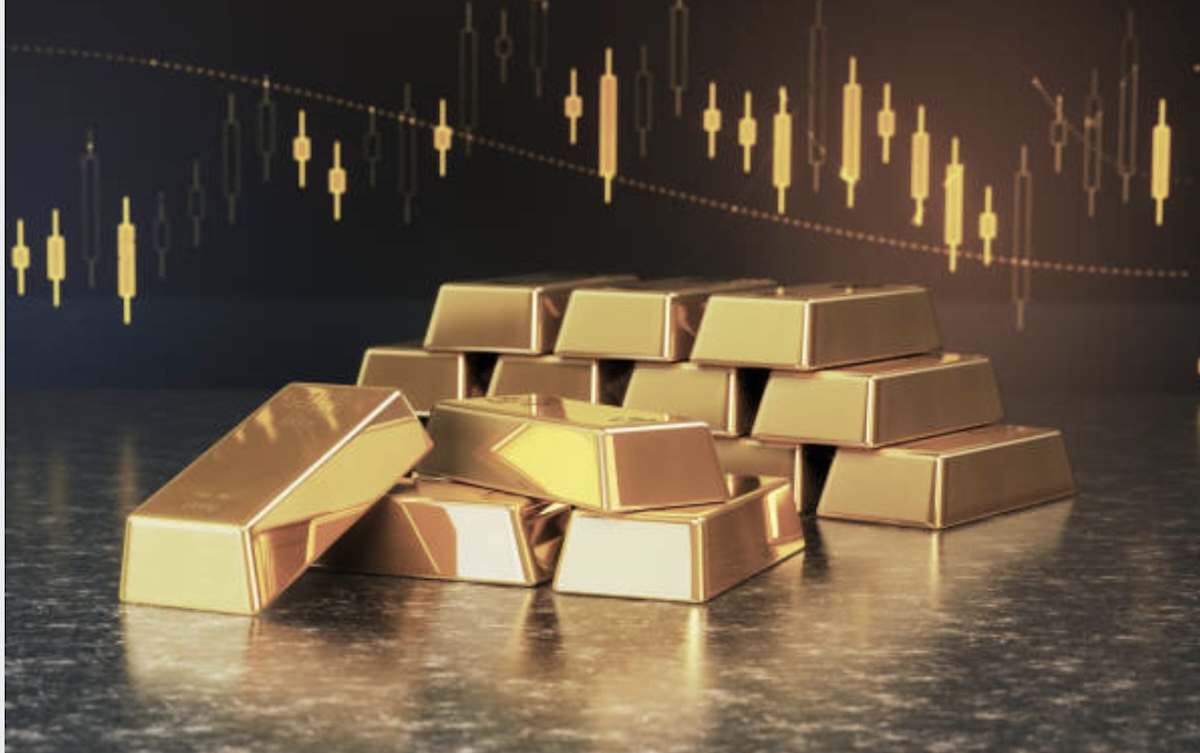
Gold has always been a safe-haven asset for investors, providing stability in times of economic turmoil. Recently, the price of gold has surpassed a significant milestone—$3,000 an ounce—for the first time, signaling growing investor concern over global economic uncertainty. This historic rise in gold prices is a reflection of several key factors, including geopolitical tensions, inflation fears, and an unpredictable stock market. In this post, we explore the reasons behind gold’s surge, its potential impact on the economy, and what investors should consider moving forward.
What’s Driving Gold Prices Above $3,000?
The price of gold has been steadily increasing over the past few years, but it has recently broken through the $3,000 per ounce threshold, marking a new high in its long history. Several economic and political factors have contributed to this unprecedented rise:
1. Economic and Geopolitical Uncertainty
One of the most significant drivers of gold’s recent price surge is the economic uncertainty triggered by global geopolitical tensions. With trade wars, political instability, and rising inflation concerns, investors have turned to gold as a store of value, often considered a “safe haven” during times of crisis.
For instance, the ongoing trade war between major economic powers, particularly between the United States and China, has created uncertainty in the global markets. Furthermore, concerns about the geopolitical instability in regions like the Middle East and the tensions in the Eastern Europe have led many investors to seek refuge in precious metals, with gold being the primary choice.
2. Inflation Fears
Gold is often viewed as a hedge against inflation, and as inflation expectations rise, demand for gold typically increases. Central banks worldwide, including the Federal Reserve, have been implementing loose monetary policies, which has resulted in concerns over inflation in the future.
The fear of rising prices and the devaluation of fiat currencies has driven many investors to buy gold, pushing prices higher. As inflation fears become more pronounced, the allure of gold as a stable store of wealth becomes even more compelling.
3. Volatility in Global Stock Markets
The global stock markets have been volatile, particularly with fluctuations in the wake of the COVID-19 pandemic and its long-term economic effects. During times of uncertainty in the stock market, many investors diversify their portfolios by increasing their holdings in safe-haven assets like gold.
The current global economic climate, with its slow recovery and ongoing pandemic-related challenges, has heightened this volatility. Investors are increasingly concerned about the long-term performance of stocks and are thus turning to gold for protection.
4. Central Bank Demand
Central banks worldwide have been increasing their gold reserves as part of their monetary strategy. Countries like China and Russia have been actively buying gold to diversify away from reliance on the US dollar. The increasing demand from central banks has further driven up the price of gold.
Additionally, the recessionary pressures in many countries have caused central banks to consider gold as a way to safeguard national reserves, which adds to the overall demand in the market.
What Does Gold’s Price Surge Mean for the Economy?
The record-breaking rise in gold prices can have several implications for both the global economy and individual investors:
1. Indicator of Economic Instability
The surge in gold prices often reflects underlying concerns in the global economy. As investors flock to gold, it is a clear sign that they lack confidence in the stability of the global financial system. Rising gold prices can indicate broader concerns over economic downturns and market crashes, suggesting that investors are hedging against potential losses in other areas of their portfolios.
2. Impact on Currency Markets
Gold’s price increase also has implications for the currency markets. As the value of gold rises, the value of traditional currencies may fall, particularly the US dollar. The dollar’s decline can affect global trade, impacting everything from oil prices to commodity markets. Investors often move their capital into gold to hedge against the weakening of their domestic currencies.
3. Increase in Gold Mining Investments
Rising gold prices often result in increased investment in the gold mining industry. Higher gold prices make mining more profitable, leading to greater exploration, extraction, and expansion efforts by mining companies. However, this can also result in environmental concerns as mining operations increase, and governments may need to regulate these industries more closely.
Will Gold Continue to Rise?
While no one can predict with certainty whether gold will continue to rise above $3,000 per ounce, it’s clear that the current factors driving its price are not going away anytime soon. The economic uncertainty is expected to persist, and investors are likely to continue seeking the security of gold in their portfolios. As long as inflation fears remain high, and geopolitical risks continue to impact the global landscape, the demand for gold will likely stay elevated.
However, there are factors that could slow down the price increase, such as a resolution of the trade wars, stabilization of the stock markets, or more aggressive monetary policies by central banks. Still, in the short term, gold prices are likely to remain volatile but could continue to rise as investors seek safe haven investments.
Gold as Part of a Diversified Investment Portfolio
As with any investment, it’s important for investors to approach gold carefully. While gold is often seen as a stable store of value, it can be volatile in the short term, and its price may fluctuate based on a variety of factors, including market speculation and global economic trends.
Investors looking to capitalize on gold’s price surge should ensure they have a diversified portfolio that includes a mix of assets, including equities, bonds, and commodities, to minimize risk. For those already holding gold, the recent rise could represent an opportunity to rebalance their portfolio, particularly if the price continues to climb.

Gold has reached a significant milestone, with prices exceeding $3,000 an ounce for the first time, driven by a confluence of global economic uncertainty, inflation fears, and stock market volatility. While the rise in gold prices reflects the current concerns about the global economy, it also highlights the precious metal’s continued role as a safe haven for investors seeking stability in times of crisis.
As geopolitical tensions and inflation fears persist, gold remains a key asset for those looking to hedge against risk. Whether gold prices continue to rise or stabilize, the current price surge underscores the importance of understanding the broader economic context and making informed investment decisions.