
In 2020, while most people saw a garage as a place to store tools or park a car, one disc golfer saw it as a laboratory. That garage became the birthplace of Trash Panda—a company that would go on to challenge an entire manufacturing industry by doing something most considered impractical: making high-performance sports equipment from 100% recycled plastic.
This is not a story of overnight success. It is a story of persistence, naïveté, learning the hard way, and choosing mission over convenience.
How the Idea Started: A Question Left Unanswered
For more than a decade, Jesse, an avid disc golfer, kept asking a quiet question:
“We’re outside, throwing plastic discs… so where is the recycled plastic?”
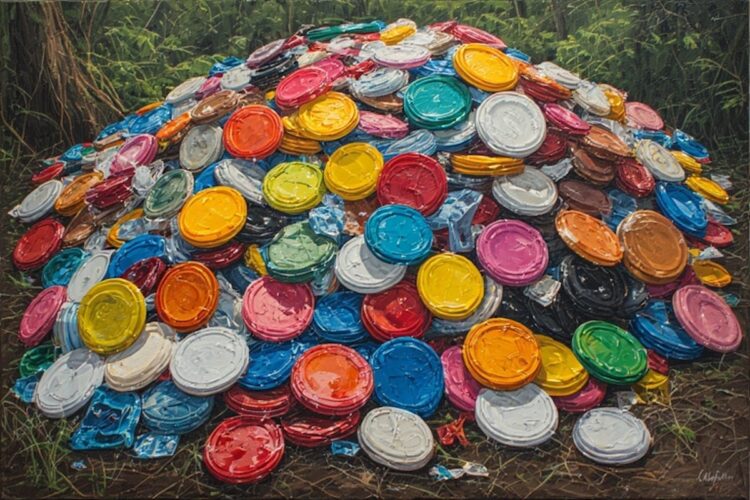
Like many ideas, the question lingered for years without action. It wasn’t until 2020 that the internal excuse finally ran out. The conclusion was simple and uncomfortable:
If this is going to exist, it’s going to have to be me.
With no background in plastics, manufacturing, or welding, Jesse decided to make a disc entirely from recycled plastic in his garage. The assumption was that it would take a month or two.
That assumption would soon be dismantled.
Early Challenges: When Reality Pushes Back
1. Lack of Technical Knowledge
There were no tutorials on how disc golf discs were made. Jesse had to reverse-engineer the process from scratch, eventually realizing that injection molding was required—leading to an unexpected first step: learning how to weld just to build the machines needed to begin.
2. Building the Wrong Tools (Multiple Times)
- Three versions of an injection machine
- Two versions of molds
- A plastic shredder that barely worked
It took six months just to produce the first disc, one that “felt like trash” but represented progress.
3. Misunderstanding Materials
Early assumptions that “plastic is plastic” proved costly. HDPE, perfect for detergent bottles, made terrible discs. This marked the beginning of a crash course in plastics engineering and the realization that recycled materials add layers of complexity most manufacturers avoid.
4. Production Inefficiency
Each disc took 30 minutes to make by hand. Every step was manual, physically demanding, and error-prone. Ninety percent of early outputs failed quality checks.
But the work continued.
The First Breakthrough: Let the Market Test You
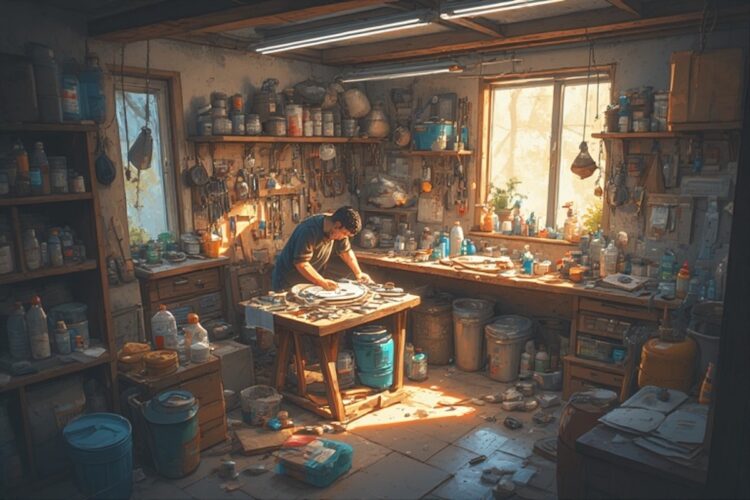
In late 2020, a YouTube video unexpectedly gained traction. A stranger offered to build a mold, removing the biggest bottleneck in the process.
Instead of jumping straight into high-performance discs, Jesse made a strategic decision:
Start with a non-performance product.
Disc golf minis became the test case.
The result?
- 1,000 units sold in three hours
- Every unit made to order
- A month and a half of nonstop garage production
This was the first proof that demand existed, and that the mission resonated.
Progress Through Focus and Partnerships
1. Simplify to Scale
Minis were automated first by partnering with a local injection molding company. This freed time and energy to focus on the core product: a full-size disc.
2. Material Breakthrough (TPU)
A chance insight led to TPU, thermoplastic polyurethane, the same class of plastic used in premium discs. Finding a recycled source of TPU was difficult but possible thanks to a strong relationship with a local recycler.
That relationship became a cornerstone of the business.
The first TPU prototype felt right. It flew well. It was grippy. It worked.
3. The Biggest Risk
A $35,000 industrial mold, by far the largest single investment to date, was commissioned. At this point, there was no turning back.
Crisis Before Launch: When Commitment Outpaces Certainty
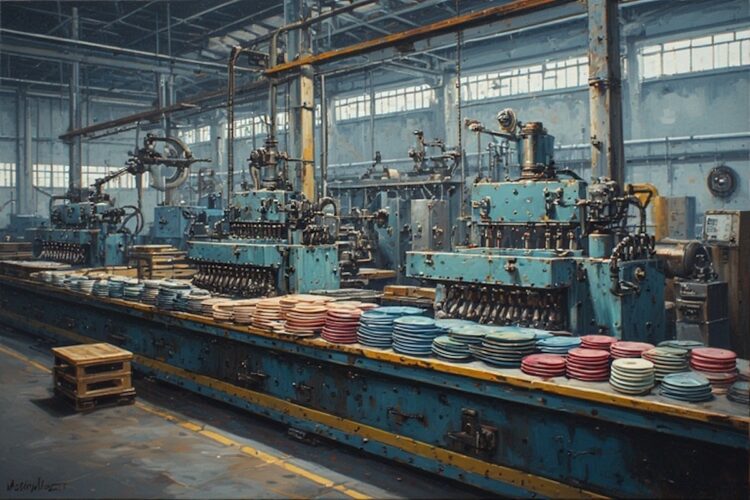
A public launch date was announced before production was proven.
Two days before the launch party:
- No discs had been successfully produced
- Problems stacked on top of problems
- Sleep disappeared
Then, inexplicably, everything clicked.
Discs started coming out of the machine.
Three days after launch, Trash Panda sold 10,000 discs made from 100% recycled plastic.
They were underprepared. Improvised packaging. Borrowed furniture. Manual systems.
But they shipped every order.
Scaling the Business: From “Me” to “We”
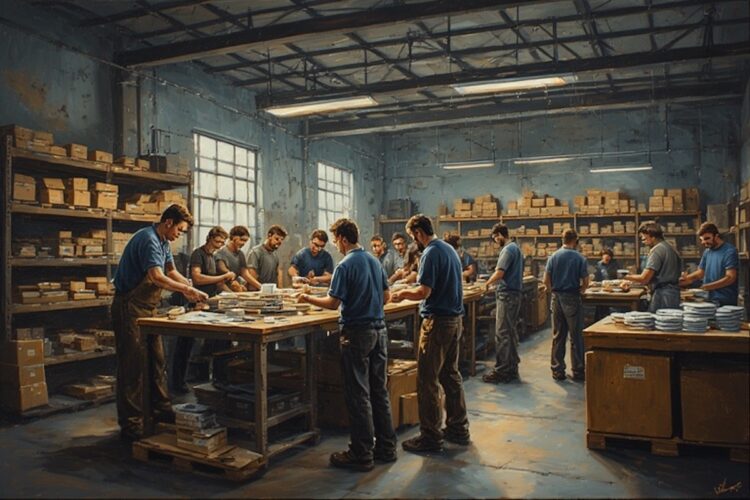
Growth forced uncomfortable transitions:
- Moving warehouses (multiple times)
- Hiring full-time employees
- Buying injection machines
- Learning industrial manufacturing from scratch
One key realization emerged:
Consistency is the enemy of recycled materials.
Instead of compromising the mission, Trash Panda brought production in-house, accepting higher costs and greater complexity to stay true to their goal.
Grants, strategic hires, and relentless learning fueled the next stage of growth.
At five years in, Trash Panda had:
- Multiple industrial machines
- A dedicated R&D function
- A growing, specialized team
- A brand trusted nationwide
Key Business Lessons Others Can Learn
1. Naïveté Can Be a Strength
If Jesse had known how hard this would be, he might never have started. Sometimes, belief gets you further than expertise.
2. Start with a Test Product
Minis weren’t the dream product, but they validated demand and funded learning.
3. Mission Is a Filter
Choosing 100% recycled plastic made everything harder, but it clarified every decision.
4. Partnerships Matter More Than Perfection
Recyclers, manufacturers, and collaborators made progress possible long before systems were polished.
5. Public Commitment Creates Pressure, and Momentum
Announcing a launch before being ready was risky, but it forced breakthroughs that might not have happened otherwise.
6. Scaling Is About Systems, Not Just Sales
Growth required moving from manual heroics to repeatable processes, even if those processes were learned painfully.
Additional Business Steps Worth Learning From
- Document everything early (processes, failures, learnings)
- Design for iteration, not perfection
- Hire for ownership, not just skill
- Bring critical capabilities in-house when mission and margins conflict
- Expect scaling pain, it’s not a sign of failure
- Let customers grow with you, not just buy from you
Final Thought
Trash Panda’s story isn’t about plastic discs.
It’s about what happens when someone refuses to accept “that’s just how it’s done” and instead asks:
What if we did it the harder, but better, way?
That mindset turned a garage experiment into a company reshaping an industry, and offers a roadmap for any founder brave enough to begin before they’re ready.