Understanding the Risks, Preparation, and Survival Tips
Flash floods are one of the most dangerous weather phenomena in the United States, capable of causing rapid and devastating damage. A Flash Flood Warning is issued when flash floods are imminent or occurring, often with little or no warning. Knowing what a flash flood is, how deadly it can be, and how to prepare for such conditions is crucial for anyone living in or traveling through flood-prone areas. This poste will provide insights into flash floods, including their risks, the U.S. states most affected, preparation strategies, and survival tips for travelers.
What Is a Flash Flood Warning?
A Flash Flood Warning is issued by the National Weather Service (NWS) when flash flooding is occurring or about to occur in a specific area. Flash floods can happen rapidly, within six hours or less of a heavy rainfall event, and are often caused by intense rainfall over a short period. Other factors like dam or levee breaks, rapid snowmelt, or even volcanic eruptions can also trigger flash floods.
Flash floods can occur in a variety of landscapes, from urban areas with poor drainage systems to mountainous regions where water quickly accumulates and rushes downstream. When a Flash Flood Warning is issued, it is critical to take immediate action to protect yourself and your property.
Is Flash Flood Deadly?
Yes, flash floods can be deadly. Flash floods occur quickly and can overwhelm an area within minutes, often with little warning. The force of the water can wash away buildings, vehicles, trees, and anything else in its path. Drowning is the most common cause of death during flash floods, but people can also be injured by debris or swept away by powerful currents.
It’s important to note that flash floods can occur in both rural and urban areas. In cities, the risk of flash floods is particularly high due to the high density of buildings and impervious surfaces (like roads and parking lots) that prevent water from being absorbed into the ground. In rural areas, the risk increases near rivers, creeks, and low-lying floodplains.
Which States Have the Most Flash Flood Incidents?
Certain regions in the U.S. are more prone to flash floods due to geographic features, weather patterns, and seasonal factors. Some of the states most affected by flash floods include:
- Texas: Texas experiences frequent flash floods due to the combination of severe thunderstorms, hurricanes, and tropical storms that can produce heavy rainfall in a short amount of time. Flash flooding is particularly common in areas like Dallas, Houston, and San Antonio.
- Arizona: The desert climate in Arizona means that the ground is often dry and cannot absorb water quickly. When storms do occur, they can lead to sudden flash floods, particularly in Phoenix, Tucson, and southern Arizona.
- California: Flash floods are a significant threat in California, especially in areas prone to wildfires. After a wildfire, the vegetation that once absorbed water is gone, increasing the risk of flash floods in regions like Los Angeles, San Diego, and Northern California.
- Florida: Florida, with its tropical climate and regular thunderstorms, is highly susceptible to flash floods. Miami, Tampa, and the Florida Keys often see heavy rainfall that leads to flooding.
- Louisiana: Louisiana, including areas like New Orleans, is vulnerable to flash floods due to its low-lying geography, frequent rainstorms, and proximity to the Gulf of Mexico. The combination of tropical storms and heavy rainfall makes this state prone to flash flooding.
- West Virginia and Virginia: The Appalachian Mountains and steep terrain in these states contribute to flash flood risks, particularly during the spring and summer months.
While these states experience more flash flood incidents, flash floods can occur anywhere, and it’s important for everyone to be prepared, no matter where they live or travel.
Can You Prepare for Flash Flood Conditions?
Yes, preparation for flash floods is crucial, and there are several steps you can take to minimize the impact when a flash flood occurs:
- Monitor Weather Alerts: Stay informed by paying attention to local weather forecasts and flash flood warnings. Use reliable apps, NOAA Weather Radio, or local news to stay updated on weather conditions.
- Create an Emergency Kit: An emergency kit should include essential supplies like water, non-perishable food, a flashlight, batteries, medications, first aid supplies, and a portable phone charger. Having this kit ready can make it easier to act quickly during a flash flood.
- Know Your Flood Risk: Find out if you live in a flood-prone area. If you’re traveling, research your destination’s flood risks and avoid areas near rivers or floodplains.
- Know the Evacuation Routes: Familiarize yourself with evacuation routes in case of flooding. Know where the nearest higher ground is, and be prepared to move quickly if necessary.
- Install Flood-Proofing Measures: If you live in a flood-prone area, consider flood-proofing your home by installing sump pumps, sealing windows and doors, and elevating appliances and electrical systems above potential flood levels.
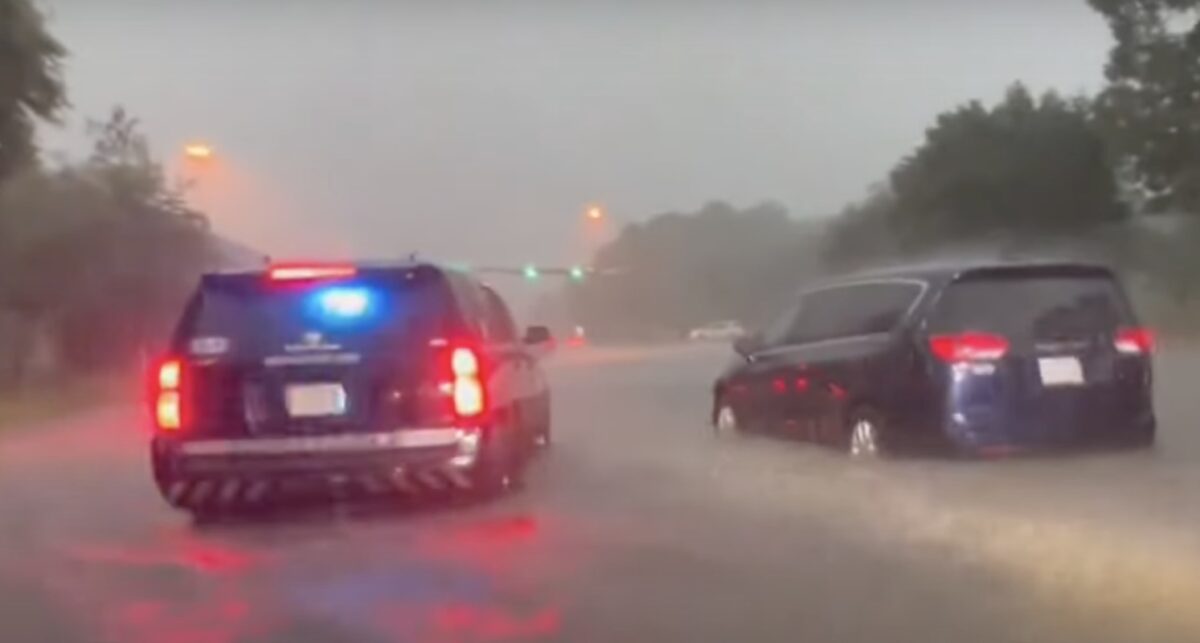
- Drive with Caution: Never attempt to drive through flooded roads. Six inches of fast-moving water can cause a vehicle to lose control, and a foot of water can wash a car away. If you’re driving and encounter flash floods, turn around and find an alternate route.
How to Survive a Flash Flood as a Traveler in the U.S.
Traveling during a flash flood event can be especially dangerous, as you may be in unfamiliar terrain or not prepared for such conditions. Here’s how to survive a flash flood as a traveler in the U.S.:
- Avoid Driving in Heavy Rain: If you’re traveling by car during heavy rain, pull over safely and wait until the storm passes. If you encounter floodwaters while driving, never try to drive through them. Water can be deceptively deep, and even a small amount can cause your vehicle to stall or be swept away.
- Seek Higher Ground: If you’re caught outside or in a low-lying area when a flash flood occurs, immediately seek higher ground. Flash floods can rise quickly, and moving to higher ground can save your life.
- Head to Shelter: If you’re near a flood zone, seek shelter in sturdy buildings or evacuation shelters. Avoid staying in temporary structures such as tents or cabins.
- Stay Inside: During a flash flood, avoid going outside to attempt rescues or survey the damage. It’s safer to remain inside and wait for the floodwaters to recede before venturing out.
- Listen to Authorities: Pay attention to local emergency broadcasts, weather alerts, and public announcements. If an evacuation order is issued, follow it immediately. Do not wait for conditions to worsen.
- Stay Calm: Flash floods can be terrifying, but it’s essential to stay calm. Panic can cloud your judgment and make it more difficult to react appropriately in an emergency situation.
Stay Safe During Flash Flood Condition
Flash floods are a serious and potentially deadly weather event that can happen quickly and unexpectedly. By understanding the risks, staying informed, and taking the proper precautions, you can better protect yourself during a flash flood event. If you’re in a flash flood-prone area, always be prepared and follow safety protocols. For travelers, it’s especially important to stay alert to weather conditions, know your surroundings, and prioritize safety if a flash flood warning is issued. Stay safe, stay informed, and be ready to act if you encounter flash flooding.