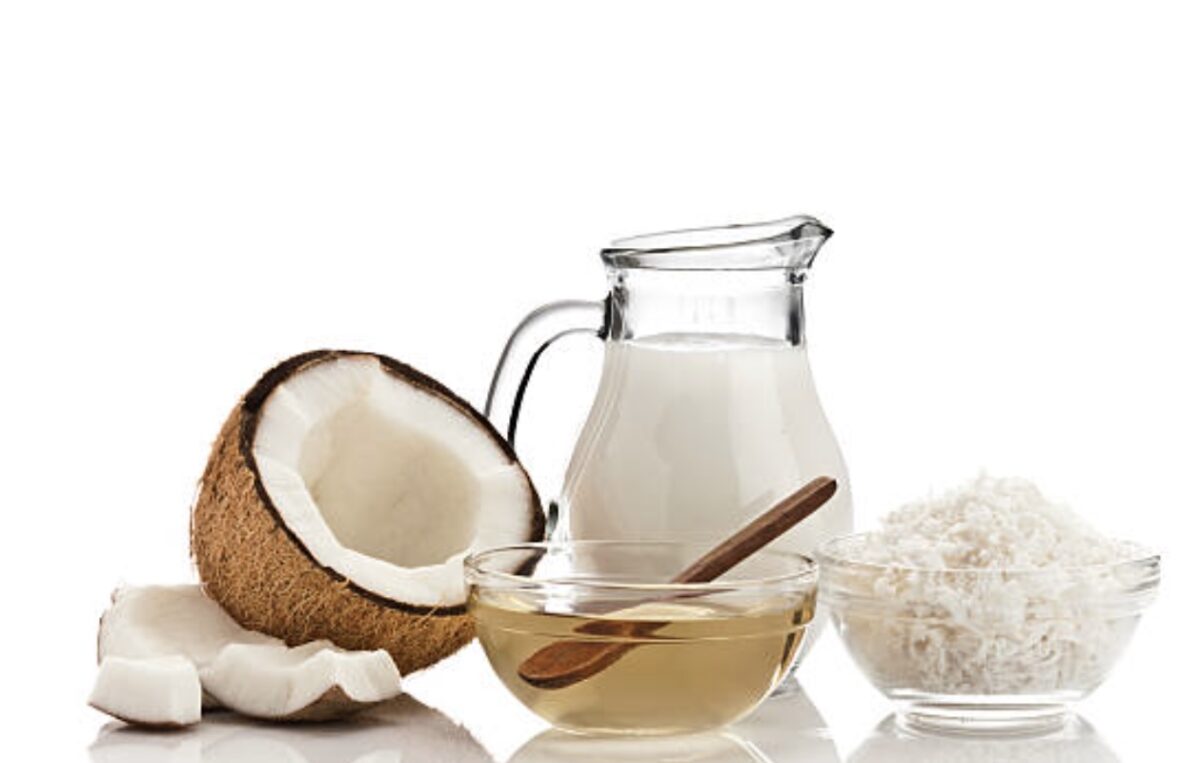
From Kitchen Staple to Beauty Essential
Coconut oil was once known mainly as a cooking ingredient or hair remedy passed down through generations. But in today’s global beauty and wellness industry, it has become a superstar ingredient found in everything from luxury moisturizers to wellness supplements.
This rise didn’t happen by chance. As consumers began moving away from harsh chemicals and toward natural, plant-based ingredients, coconut oil emerged as a symbol of clean beauty. Its simplicity, versatility, and long history of traditional use have made it a cornerstone in the growing market for natural skincare and personal care products.
The Science Behind the Beauty
What makes coconut oil so special? It’s packed with medium-chain fatty acids, particularly lauric acid, which has antimicrobial and moisturizing properties. This natural composition makes it ideal for multiple uses in cosmetics — from nourishing dry skin and conditioning hair to acting as a gentle makeup remover.
Cosmetic companies appreciate that coconut oil not only performs well but also connects emotionally with consumers. People associate it with purity, tropical origins, and holistic wellness — powerful associations in an era where authenticity drives purchasing decisions.
The Growing Coconut Oil Skincare Market
The global coconut oil skincare market has grown rapidly over the past decade, driven by demand for natural and sustainable products. Analysts project continued growth as consumers prioritize ingredient transparency and ethical sourcing.
Major skincare brands have incorporated coconut oil into diverse products such as:
- Hydrating lotions and body butters
- Lip balms and cleansers
- Hair masks and serums
- Sunscreens and after-sun products
Meanwhile, independent beauty startups are using coconut oil as their hero ingredient to stand out in a crowded market. By highlighting organic sourcing, fair trade production, and eco-friendly packaging, these brands appeal to conscious consumers who want both performance and purpose in their purchases.
The Coconut Oil Cosmetics Industry: A Business Evolution
For cosmetic manufacturers, coconut oil offers more than just marketing appeal — it’s a reliable raw material that aligns with global wellness trends. The oil’s natural emollient properties reduce the need for synthetic additives, helping brands meet “clean label” standards increasingly required by modern retailers.
In the coconut oil cosmetics industry, partnerships between farmers, suppliers, and manufacturers are becoming more transparent. Many companies now source directly from smallholder farmers in Southeast Asia and the Pacific, ensuring better quality control and ethical supply chains.
As regulations tighten and consumers grow more discerning, this combination of sustainability and traceability is becoming a competitive advantage.
Coconut Oil in the Broader Wellness Movement
Beyond cosmetics, coconut oil has made its mark in the wellness economy — a market that spans nutrition, mental health, and holistic self-care. It’s found in dietary supplements, massage oils, and aromatherapy blends that promise both physical and emotional benefits.
The oil’s natural scent and smooth texture have made it a favorite in spas and wellness retreats, where it’s used in treatments that emphasize balance and relaxation. Its presence in both beauty aisles and wellness centers illustrates how seamlessly it bridges two thriving industries.
Trends Shaping the Future of Coconut Oil in Beauty
The next phase of the coconut oil boom will be defined by innovation and sustainability. Several trends are already reshaping the market:
- Hybrid Formulations: Combining coconut oil with new botanical extracts for enhanced performance.
- Sustainable Packaging: Brands moving toward recyclable and refillable containers.
- Ethical Sourcing: Greater emphasis on fair trade certification and supply chain transparency.
- Tech-Driven Skincare: Using AI and lab science to create personalized products that still rely on natural ingredients like coconut oil.
These innovations demonstrate how coconut oil, despite its ancient origins, continues to evolve with modern consumer expectations.
The Business Value of Going Natural
For beauty and wellness companies, embracing coconut oil isn’t just about following a trend — it’s about aligning with consumer trust. Studies show that people are more loyal to brands that use natural ingredients and demonstrate social responsibility.
Coconut oil checks both boxes. It’s renewable, biodegradable, and available through community-based farming networks that support local economies. As sustainability and transparency become central to brand identity, coconut oil’s presence in product lines signals authenticity and care.
In essence, the oil represents more than a functional ingredient; it’s a story of connection — between nature, people, and the business of beauty.
A Natural Ingredient with Global Impact
Coconut oil has gone from traditional remedy to one of the most valuable ingredients in modern beauty and wellness. Its popularity reflects a deeper shift in consumer behavior — toward authenticity, sustainability, and holistic self-care.
As the beauty industry continues to evolve, coconut oil remains a reminder that sometimes, the most powerful innovations come straight from nature. For brands and consumers alike, it embodies the new definition of beauty: one that values both personal well-being and the planet’s health.
FAQ: Coconut Oil in Beauty and Wellness
1. Why is coconut oil popular in skincare?
Coconut oil’s natural fatty acids make it an effective moisturizer and barrier protector. It hydrates skin, supports elasticity, and helps prevent dryness without harsh chemicals.
2. How is coconut oil used in cosmetics?
It’s a common ingredient in creams, lotions, lip balms, hair treatments, and cleansers. It enhances texture, adds shine, and provides natural antibacterial benefits.
3. Is coconut oil suitable for all skin types?
While coconut oil is great for dry and normal skin, people with oily or acne-prone skin should patch-test first. Some may prefer lightweight formulations blended with other oils.
4. How does the coconut oil cosmetics industry support sustainability?
Many brands use fair trade sourcing, eco-friendly packaging, and renewable energy in production. This reduces the environmental footprint while supporting farmers.
5. What are the latest coconut oil wellness trends?
Current trends include hybrid beauty products, organic certifications, sustainable packaging, and a focus on transparency from farm to consumer.