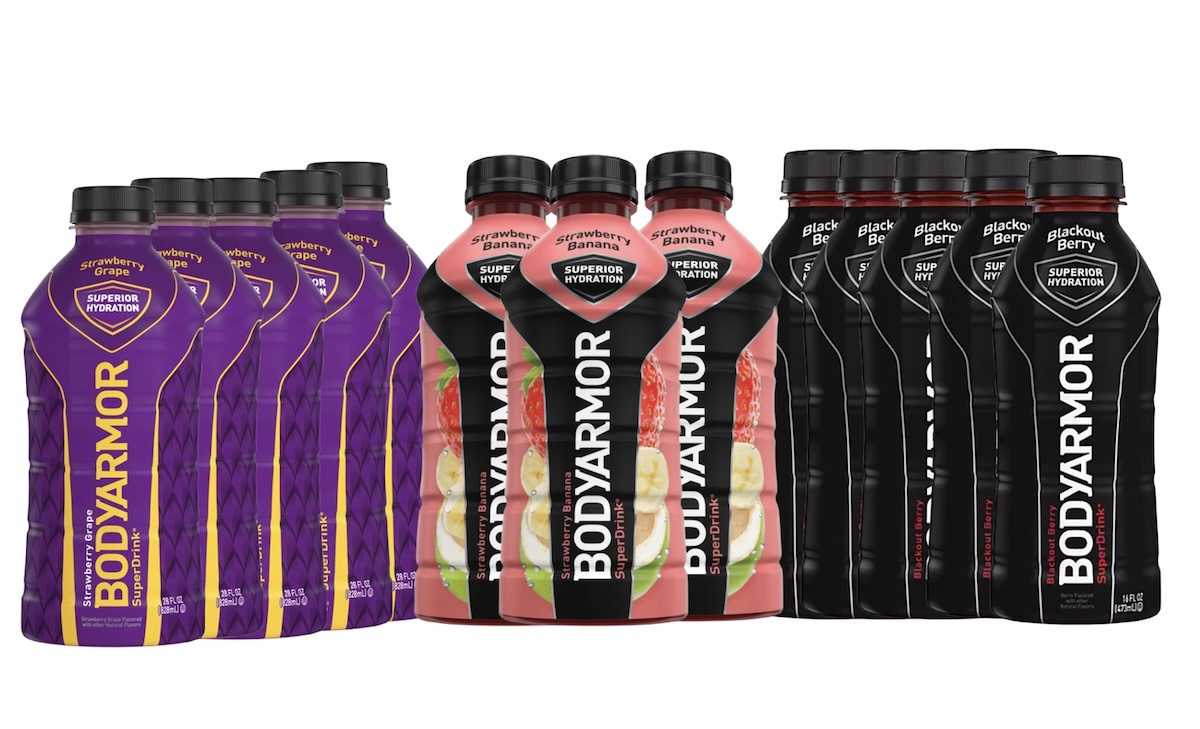
In 2021, Coca-Cola made headlines by acquiring full ownership of BodyArmor in a blockbuster $5.6 billion deal. The acquisition marked a strategic move to challenge PepsiCo’s Gatorade and claim a dominant position in the booming sports drink industry. However, nearly four years later, BodyArmor’s journey has been less than smooth—and far from the expectations set at the time of purchase.
The Vision: Unseating Gatorade
Coca-Cola aimed to transform BodyArmor into the world’s top-selling sports drink brand. With a health-forward positioning and early success driven by unique formulations—such as coconut water and natural sweeteners—BodyArmor initially disrupted the category. The brand appealed to increasingly health-conscious consumers seeking alternatives to traditional, sugar-heavy sports drinks.
BodyArmor’s rise caught Coca-Cola’s attention early on, leading to a minority stake in 2018. By 2021, Coca-Cola moved to acquire the remaining shares, marking the largest brand acquisition in its history. The vision was clear: leverage Coca-Cola’s global distribution system and marketing muscle to scale BodyArmor rapidly.
Reality Check: Stagnation and Strategic Hurdles
Despite lofty ambitions, BodyArmor has struggled to gain significant ground against established competitors. It currently holds around 12% market share, behind Gatorade’s commanding 62% and Coca-Cola’s own Powerade, which sits at approximately 14.5%. In 2023, Coca-Cola was forced to take a $760 million write-down on the brand, signaling a major reassessment of BodyArmor’s performance and strategic direction.
Several challenges have slowed progress. First, the integration into Coca-Cola’s corporate ecosystem created disruption. Transitioning from an independent startup to a full-fledged subsidiary of a global conglomerate posed cultural and operational hurdles. Secondly, the overlap with Powerade, Coca-Cola’s legacy sports drink, created confusion around brand positioning.
Furthermore, competition in the sports hydration space has intensified dramatically. Newcomers like Prime, Unwell Hydration, and celebrity-backed products from names like Lionel Messi and Steph Curry have redefined the category. Today’s consumers are no longer just athletes—they’re wellness-focused individuals seeking functional beverages for everyday hydration.
A Strategic Reset: BodyArmor’s Rebrand and Relaunch
In 2024, Coca-Cola and BodyArmor initiated a comprehensive brand refresh in an effort to reignite growth. This included updated packaging, a streamlined logo, and the launch of BodyArmor’s largest-ever marketing campaign. The rebrand signals a shift in strategy—positioning BodyArmor not just as a performance drink, but as a lifestyle hydration brand that appeals to a broader audience.
The campaign rollout coincided with major sporting events, aiming to maximize visibility and awareness. The push also underscores the brand’s renewed commitment to differentiating itself from Powerade and carving out a distinct identity in Coca-Cola’s beverage portfolio.
BodyArmor’s product lineup has expanded as well. In addition to its core sports drink, the brand now offers sugar-free options, rapid hydration formulas, and electrolyte-enhanced waters—responding to the growing demand for health-forward alternatives. Two newer products, BodyArmor Zero and BodyArmor Flash I.V., have collectively generated over $100 million in sales within their first year, indicating potential for long-term success.
Competitive Landscape: A Growing, Crowded Market
The sports drink market is undergoing a transformation. No longer limited to traditional athletes, hydration brands are now targeting office workers, wellness enthusiasts, and Gen Z consumers who prioritize clean labels and functional benefits. This evolution has opened the door for niche and influencer-led brands to capture attention—and market share.
While Gatorade still leads by a wide margin, its dominance has slipped slightly in the face of rising competition. Prime, while initially explosive in growth, has begun to wane, offering BodyArmor a critical opportunity to recapture momentum. As traditional boundaries between hydration, energy, and wellness drinks blur, BodyArmor’s success will depend on its ability to adapt and lead in this hybrid category.
What’s Next for BodyArmor?
Coca-Cola’s multi-brand approach in the hydration category—featuring Powerade as a value option and BodyArmor as a premium, health-focused alternative—requires sharper brand differentiation and targeted marketing. As BodyArmor continues to redefine its identity, the focus will likely remain on innovation, influencer partnerships, and leveraging Coca-Cola’s extensive distribution network.
Despite early setbacks, the long-term vision remains intact. Coca-Cola is playing the long game, and BodyArmor’s evolving portfolio shows promise. If the brand can continue to adapt to consumer trends and clearly communicate its value proposition, it could yet emerge as a category leader.
In a rapidly shifting beverage landscape, agility, authenticity, and strategic alignment will be key to determining whether BodyArmor can fulfill its mission—to not only compete with, but eventually surpass, the giants of the sports drink world.