After sustained calls from business leaders and economists, the People’s Bank of China (PBoC) has taken a significant step to counteract the economic slowdown. China, the world’s second-largest economy, is battling persistent deflation and falling consumer confidence, and the central bank has responded with a stimulus package that has the potential to reshape global markets.
The PBoC’s bold measures include three pivotal changes. First, it cut policy interest rates by 0.2 percentage points. Second, it reduced banks’ reserve requirements by 0.5 percentage points, allowing more cash to flow through the system. Finally, existing mortgage rates were trimmed, aiming to stimulate the housing market. While this “policy bazooka” may seem impressive, many analysts are skeptical about whether it can truly drive a resurgence in economic growth.
What Is the Stimulus Package?
On third week of September, the PBoC announced three concurrent rate cuts, an unprecedented move aimed at injecting liquidity into the economy. Even more remarkably, the PBoC hinted that a further cut to reserve requirements—potentially up to 0.5 percentage points—could be on the way. This sort of forward guidance is rare from China’s central bank, signaling that there may be more to come.
The package also includes measures to support China’s stock market. The PBoC is refinancing loans to help companies buy back shares, and institutional investors are being given more flexibility to raise funds by borrowing against their stock holdings. These moves are designed to boost confidence and potentially drive some investment, but concerns remain about their broader impact.
The Domestic Landscape: Weak Consumer Spending
China’s economic performance in 2023 has been hampered by sluggish domestic consumption, despite a robust 8.7% year-on-year increase in exports for August. Imports, by contrast, only rose by 0.5%, pointing to weak internal demand. The global picture isn’t helping, either, as more countries, including the U.S. and Canada, are imposing new export controls and tariffs on Chinese goods, especially in sensitive industries like electric vehicles.
These headwinds mean that China may struggle to hit its official GDP growth target of 5% for the year. While the PBoC’s stimulus package will relieve some pressure on businesses and local governments burdened with debt, experts question whether it will be enough to create a meaningful turnaround.
Impact on Real Estate and the Stock Market
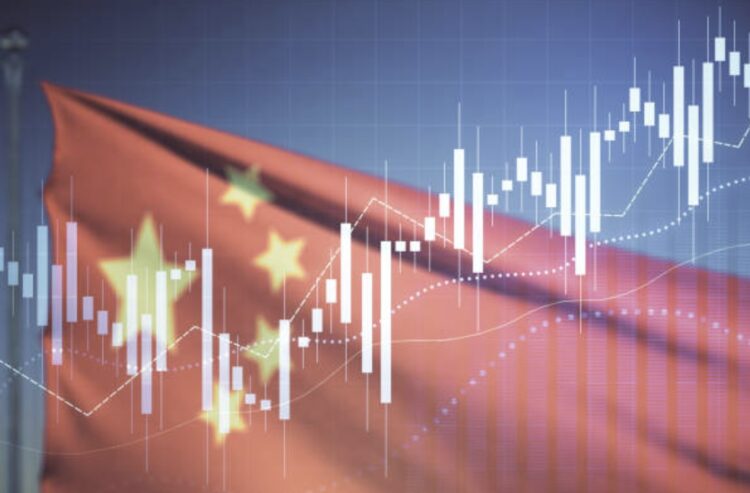
The stock market, traditionally not a major player in China’s economy compared to the U.S., is receiving some support from the PBoC’s package. But with only 10% of Chinese households participating in the market, the impact may be limited. Real estate, on the other hand, plays a far more significant role in Chinese household wealth, accounting for 30% of GDP and 80% of personal assets.
Lowering mortgage rates could free up around $21 billion for homeowners, but with property prices continuing to decline—down 5.3% year-on-year in August—Chinese consumers may be more inclined to save than spend. The real estate market, once a golden investment opportunity, is losing its luster, and property investment has already dropped by 10.2% this year.
A Confidence Crisis?
Investor confidence and economic growth go hand-in-hand, and China is currently facing a crisis of confidence. The country’s youth unemployment rate hit a record 18.8%, highlighting deeper structural issues within the economy. A combination of reduced government spending, cautious private investment, and declining consumer demand has created a perfect storm, stoking fears about long-term growth.
China’s economic difficulties are interconnected, driven by weak consumption, low investor confidence, and an overreliance on a real estate market that no longer guarantees high returns. According to an associate professor of economics at Nanyang Technological University, China’s troubles are “fruits from the same tree”—a system grappling with inefficiencies and uncertainties.
The Path Forward
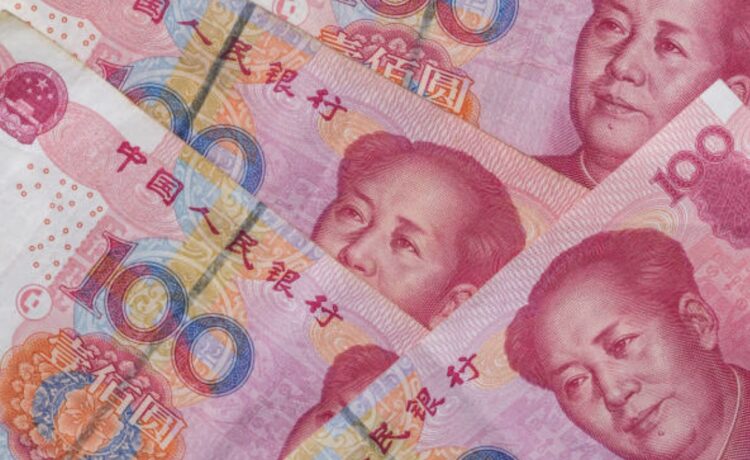
Stimulating consumer spending is key to China’s recovery, but doing so is no simple task. Increasing wages would provide an immediate boost, but there are also calls to improve social welfare. Enhancing education, healthcare, and pensions would reduce the need for high personal savings, encouraging spending. These policies, however, would require significant investment and could permanently increase China’s debt—a step Beijing is reluctant to take.
Instead, China is moving in the opposite direction, raising the retirement age for the first time since 1978 to address its aging population. This move, while fiscally responsible in the long term, may discourage short-term spending.
Despite the challenges, there are hints that more economic support may be on the horizon. In recent years, China has issued additional government bonds to provide fiscal relief, and reports suggest another $140 billion bond issuance could be on the way. These measures may help, but experts agree that more needs to be done to fundamentally change the trajectory of China’s economy.
What It Means for You
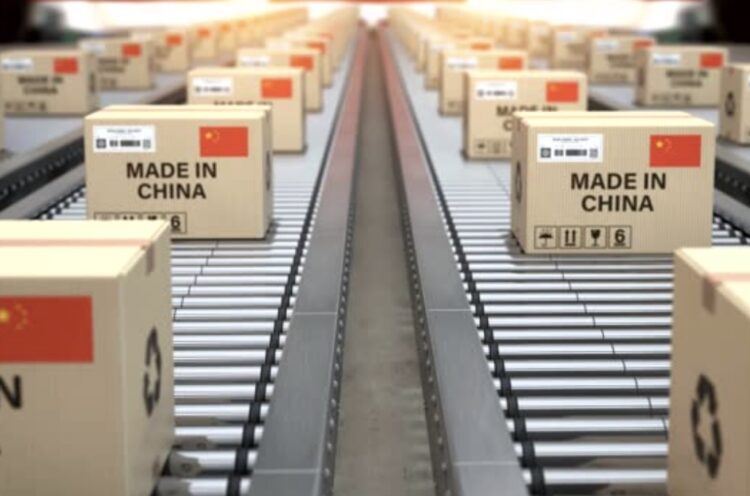
The ripple effects of China’s economic policies extend beyond its borders. For global businesses, a slowdown in Chinese demand could reduce opportunities for trade and investment. New export controls and tariffs could disrupt supply chains, particularly in industries like technology and manufacturing.
On the consumer side, if China’s measures successfully stimulate spending and growth, we could see increased demand for foreign products, boosting global trade. However, if the economy continues to falter, there could be a drag on international markets, particularly in Asia-Pacific regions closely tied to China’s economic fortunes.
For investors, the PBoC’s direct intervention in the stock market is worth watching. While it’s unlikely to completely revive China’s stock market in the short term, further measures could present new opportunities, particularly for long-term growth.
Ultimately, China’s stimulus package is a critical step in addressing its economic challenges, but it may not be enough to reverse current trends. As Beijing grapples with policy decisions, the outcome will affect global markets and individual investors alike, underscoring China’s significant role in the world economy.