Why Generational Communication Matters
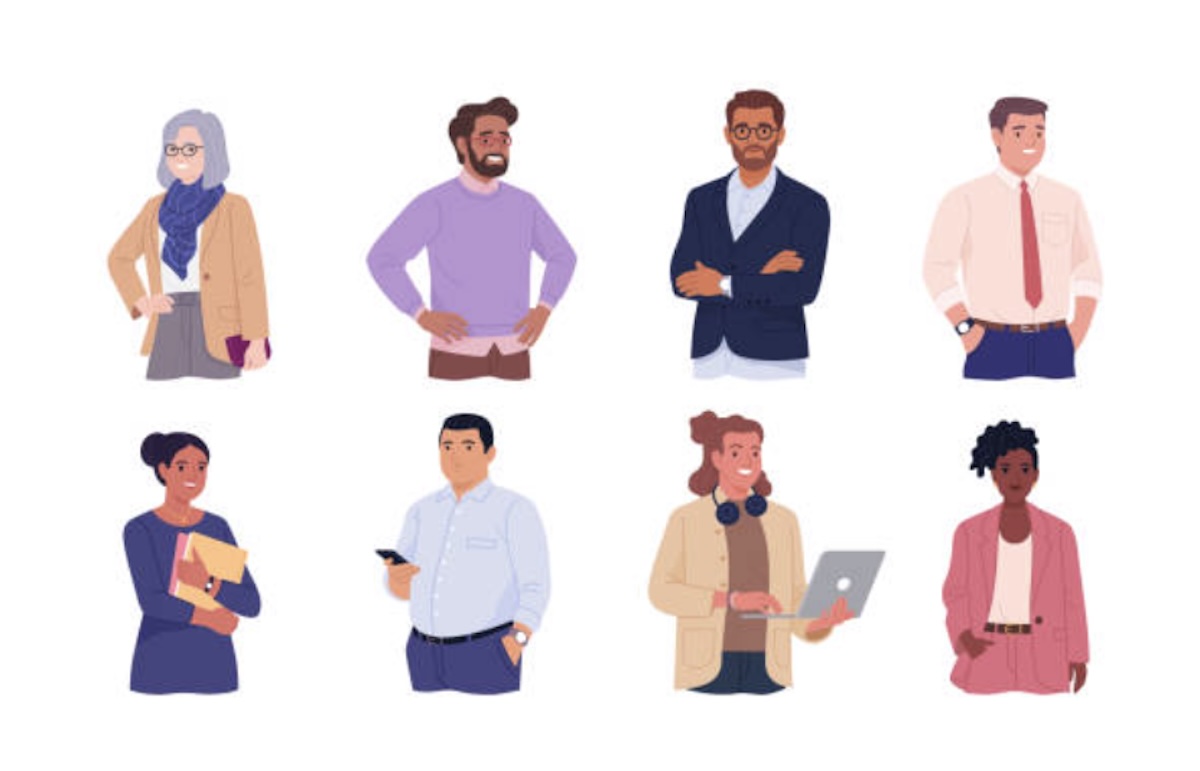
Today’s workforce spans five generations—from Baby Boomers to Gen Z—each with distinct communication styles. These differences often lead to:
✖ Frustration (“Why won’t they just reply to my email?”)
✖ Misunderstandings (“Was that Slack message rude or just efficient?”)
✖ Productivity losses (Teams stuck decoding messages instead of working)
A recent Microsoft study found 46% of workers feel generations don’t communicate well at their company. This guide breaks down the biggest gaps and provides actionable solutions to bridge them.
The 4 Biggest Generational Communication Gaps (And How to Fix Them)
1. Channel Preferences: Slack vs Email vs Face-to-Face
The Divide:
| Generation | Preferred Channel | Why? |
|---|---|---|
| Gen Z (1997-2012) | Instant messaging (Slack/Teams) | Grew up with real-time digital communication |
| Millennials (1981-1996) | Mix of IM & email | Transitioned from analog to digital |
| Gen X (1965-1980) | Adopted digital tools as adults | |
| Boomers (1946-1964) | Phone calls/face-to-face | Prefer richer communication cues |
The Fix:
✅ Create channel guidelines (e.g., “Urgent = Slack, formal requests = email”)
✅ Train teams on each tool’s strengths (Slack for quick Qs, email for documentation)
✅ Respect preferences but set expectations (“We need replies in Slack within 4 hours”)
2. Formality Levels: Emoji vs. Formal Memos
The Clash:
- Gen Z: Uses emoji (👍), GIFs, and “hey” in professional messages
- Boomers: Expects “Dear Mr. Smith” and full signatures
Why It Causes Problems:
- Younger workers may seem unprofessional to older colleagues
- Older workers may seem cold or rigid to younger teams
The Fix:
✅ Establish baseline formality (e.g., client emails = formal, internal chat = casual)
✅ Explain intent behind styles (Emoji aren’t lazy—they prevent tone misunderstandings)
✅ Lead by example (Managers should model flexible communication)
3. Response Time Expectations
The Disconnect:
| Generation | Expected Response Time | Frustration Point |
|---|---|---|
| Gen Z | Minutes (Slack/Teams) | “Why is everyone so slow?” |
| Millennials | Hours (Email/Slack) | “I sent this yesterday…” |
| Gen X/Boomers | 1-2 business days | “Stop pinging me constantly!” |
The Fix:
✅ Set clear response-time SLAs (e.g., “Slack = 4 hrs, email = 24 hrs”)
✅ Use status indicators (👉 “In deep work—will reply by EOD”)
✅ Respect “off hours” (No late-night Slack pings unless urgent)
4. Feedback Styles: Direct vs. Diplomatic
The Difference:
- Younger gens: Prefer direct, frequent feedback (“This needs improvement”)
- Older gens: Lean toward subtle, formal critiques (“Perhaps consider…”)
Why It Matters:
- Directness can feel blunt or rude to some
- Indirect feedback may be missed entirely by others
The Fix:
✅ Train managers on generational feedback styles
✅ Use the “SBI” model (Situation-Behavior-Impact) for clarity
✅ Ask preferences (“How do you like to receive feedback?”)
5 Actionable Strategies to Bridge the Gap
1. Run a “Communication Preferences” Workshop
- Have team members share:
- Their ideal response times
- Pet peeves (e.g., voice notes, all-caps)
- Favorite tools for different scenarios
2. Implement a “Generational Buddy System”
- Pair team members from different gens to:
- Co-lead meetings (mix presentation styles)
- Review each other’s comms for clarity
3. Adopt Flexible Tools
| Tool | Solves |
|---|---|
| Loom (video messages) | Bridges written vs. verbal preferences |
| Grammarly | Helps balance formality |
| Slack statuses | Manages response expectations |
4. Normalize “Translation” Questions
Encourage phrases like:
- “I’m used to communicating this way—does it work for you?”
- “Could you help me understand your preferred style?”
5. Measure What Works
Track metrics like:
- Project delays due to miscommunication
- Employee satisfaction with team comms
Key Takeaways
✔ Channel preferences vary widely—set clear guidelines
✔ Formality expectations differ but can coexist
✔ Response time norms must be explicit
✔ Feedback styles need adaptation
Your Next Step:
Pick one generational gap to address this month—whether it’s clarifying response times or mixing communication channels more intentionally.