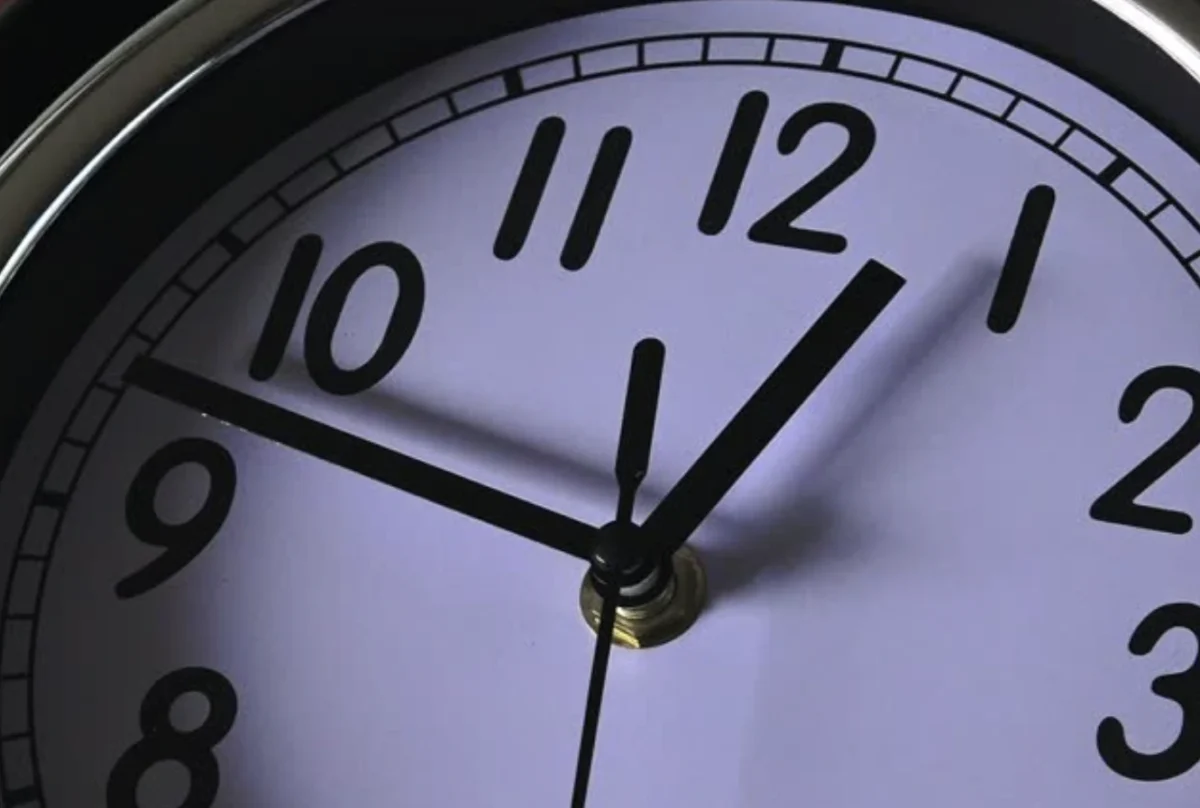
Mark your calendar: the 2026 clock fall back date is Sunday, November 1, at 2:00 a.m., when clocks across most of the United States move back one hour to standard time. It’s the earliest possible date daylight saving time can end under current federal law, since DST always concludes on the first Sunday in November — and this year, November 1 happens to land on that exact date. For travelers, the shift is more than a minor inconvenience; it touches flight schedules, road trip planning, jet lag adjustment, and even how safely you’ll be driving home from the airport once the sun starts setting an hour earlier.
This guide covers exactly when the 2026 fall back happens, why the U.S. still changes its clocks at all, and the practical travel tips worth knowing whether you’re flying, driving, or crossing time zones around the change.
When Do the Clocks Fall Back in 2026?
Daylight saving time officially ends on Sunday, November 1, 2026, at 2:00 a.m. local time, when clocks are set back one hour to 1:00 a.m. standard time. Since the change technically happens overnight, most people simply adjust their clocks before going to bed on Saturday, October 31, rather than staying up to watch it happen. The practical effect is straightforward: sunrise and sunset both shift about an hour earlier starting that day, meaning mornings get noticeably brighter while evenings get darker significantly sooner.
This year’s date matters slightly more than usual for a specific reason: under the current rule — DST ending on the first Sunday in November — November 1 is literally the earliest date the fall-back can occur. Next year’s shift back to daylight saving time will follow the same logic in reverse, with clocks springing forward on the second Sunday in March, landing on March 8, 2027.
Why Daylight Saving Time Still Exists in 2026
If you’ve been expecting Congress to finally end the twice-yearly clock change, 2026 isn’t the year it happened. The Sunshine Protection Act, legislation that would make daylight saving time permanent year-round and eliminate the need to fall back each November, has passed the House of Representatives but remains stalled without a Senate vote, meaning the underlying federal law — the Uniform Time Act of 1966, as amended by the Energy Policy Act of 2005 — still governs the clock change for now. Nineteen states have already passed legislation supporting permanent daylight saving time contingent on Congress changing federal law, but until that happens, individual states aren’t permitted to opt out of the twice-yearly switch on their own.
That legislative limbo means travelers should plan around the current system rather than anticipating a change any time soon — the November 1 fall-back is happening as scheduled, regardless of how the permanent-time debate eventually resolves.
How the Fall Back Affects Travel Plans
Flight schedules and time zone confusion. Airlines account for the clock change in their published schedules, but the shift can still create confusion for travelers booking flights that span the November 1 changeover, particularly for international itineraries where different countries change their clocks on different dates, or not at all. If you’re flying internationally around this date, it’s worth double-checking your specific departure and arrival times against local time at each end of your trip rather than assuming a consistent time difference throughout your journey — a detail worth confirming directly through resources like a clear breakdown of how to accurately track time zone differences for a specific international destination, since assumptions about time zone offsets can shift meaningfully depending on which side of a DST changeover each country happens to be on.
Earlier sunsets and road trip safety. For travelers driving anywhere in the days and weeks following the fall-back, the sudden shift to significantly earlier sunsets is worth building into trip planning, particularly for anyone accustomed to driving home from work, the airport, or an evening activity while it’s still light out. Road conditions and visibility genuinely change with the earlier darkness, and drivers on unfamiliar routes should factor that into timing — a consideration worth folding into broader road trip planning around flexibility, timing, and route safety for any travel happening in the weeks immediately after November 1.
Jet lag and body clock adjustment. Even a one-hour shift can noticeably affect sleep patterns for a few days, particularly for travelers who are already crossing multiple time zones around the same period. Combining a long-haul flight with the domestic clock change can compound normal jet lag symptoms, making the days immediately surrounding November 1 a reasonable window to build in extra rest time if your travel schedule allows for it, rather than packing your itinerary as tightly as you might during a period without a clock change in play.
Which States and Countries Don’t Change Their Clocks
Not every part of the United States participates in the fall-back at all, which is worth knowing if your travel plans cross state lines around this date. Hawaii and most of Arizona — with the notable exception of the Navajo Nation, which spans parts of Arizona, New Mexico, and Utah and does observe daylight saving time — don’t participate in the twice-yearly change. Several U.S. territories also opt out entirely, including American Samoa, Guam, the Northern Mariana Islands, Puerto Rico, and the U.S. Virgin Islands.
That patchwork matters directly for travel planning: if your trip includes a stop in Arizona or Hawaii around November 1, the time difference between your starting point and your destination will effectively shift by an hour once the rest of the country falls back, even though nothing changes locally at your Arizona or Hawaii stop itself. Internationally, the picture is even more varied — many countries don’t observe daylight saving time at all, while others that do change their clocks on entirely different dates than the U.S., making any multi-country itinerary spanning early November worth double-checking country by country rather than assuming a uniform shift everywhere.
Travel Tips for Navigating the Time Change
A few practical habits make the fall-back transition smoother for anyone traveling around it. First, confirm your flight’s departure time directly through your airline’s app or confirmation email in the days immediately before departure, rather than relying on a calendar entry created weeks earlier — most smartphones and connected devices update automatically, but standalone travel itineraries, printed boarding passes, or older calendar invites occasionally don’t reflect the shift correctly. If you’re navigating a connecting flight or tight layover around the changeover date, it’s worth building in extra buffer time regardless — the kind of margin that matters generally when managing a longer international layover and making the most of unexpected extra time at an airport, which becomes even more valuable if any part of your connection involves a schedule that shifted due to the time change.
Second, if you’re flying domestically around November 1, it’s worth building extra time into your airport arrival window generally, since understanding how to move efficiently through TSA screening matters just as much during a routine travel week as during any other, and confusion around the clock change is one more variable that can throw off an already tight connection if you’re not paying close attention to posted departure times at the airport itself. Third, if your travel plans in the weeks following the fall-back run into cooler-weather regions, keep an eye on seasonal forecasts alongside the darker evenings — the same period that brings the clock change often overlaps with the start of more unpredictable winter storm activity across parts of the United States, making it worth checking both sunset times and weather conditions together when finalizing a late-fall trip.
What Comes After November 1: Preparing for Next Spring
Once the fall-back takes effect, clocks stay on standard time until daylight saving time resumes on the second Sunday in March — March 8, 2027 — when clocks spring forward again and the cycle repeats. Unless Congress acts on the Sunshine Protection Act or similar legislation before then, travelers should expect the same twice-yearly rhythm to continue into 2027 and beyond, making it worth building basic awareness of these dates into any recurring travel planning, particularly for trips that regularly fall near early November or early March.
For now, the practical advice is simple: mark November 1, 2026, on your calendar, build a little extra buffer into any travel plans that fall around that date, and don’t assume every clock and device you’re relying on has updated automatically — a five-minute check before you head to the airport or hit the road is a small habit that avoids a genuinely frustrating way to start a trip.
Frequently Asked Questions
What is the exact date and time clocks fall back in 2026?
Clocks fall back on Sunday, November 1, 2026, at 2:00 a.m. local time, moving back to 1:00 a.m. standard time. Most people set their clocks back before going to bed on Saturday, October 31.
Why is November 1, 2026 the earliest possible fall-back date?
Daylight saving time always ends on the first Sunday in November under current federal law. Since November 1, 2026 falls on a Sunday, it’s the earliest calendar date the fall-back can possibly occur.
Will daylight saving time become permanent soon?
Not yet. The Sunshine Protection Act, which would make daylight saving time permanent, has passed the House of Representatives but has not passed the Senate as of 2026. The twice-yearly clock change remains in effect under current law.
Which U.S. states don’t participate in the fall-back time change?
Hawaii and most of Arizona, excluding the Navajo Nation, don’t observe daylight saving time. U.S. territories including American Samoa, Guam, the Northern Mariana Islands, Puerto Rico, and the U.S. Virgin Islands also don’t participate.
How does the fall-back affect flight schedules?
Airlines account for the clock change in their published schedules, but travelers with international itineraries should double-check departure and arrival times, since different countries observe daylight saving time on different dates, or not at all.
When does daylight saving time start again after the 2026 fall-back?
Daylight saving time resumes on Sunday, March 8, 2027, when clocks spring forward one hour, marking the return to daylight saving time until the next fall-back the following November.