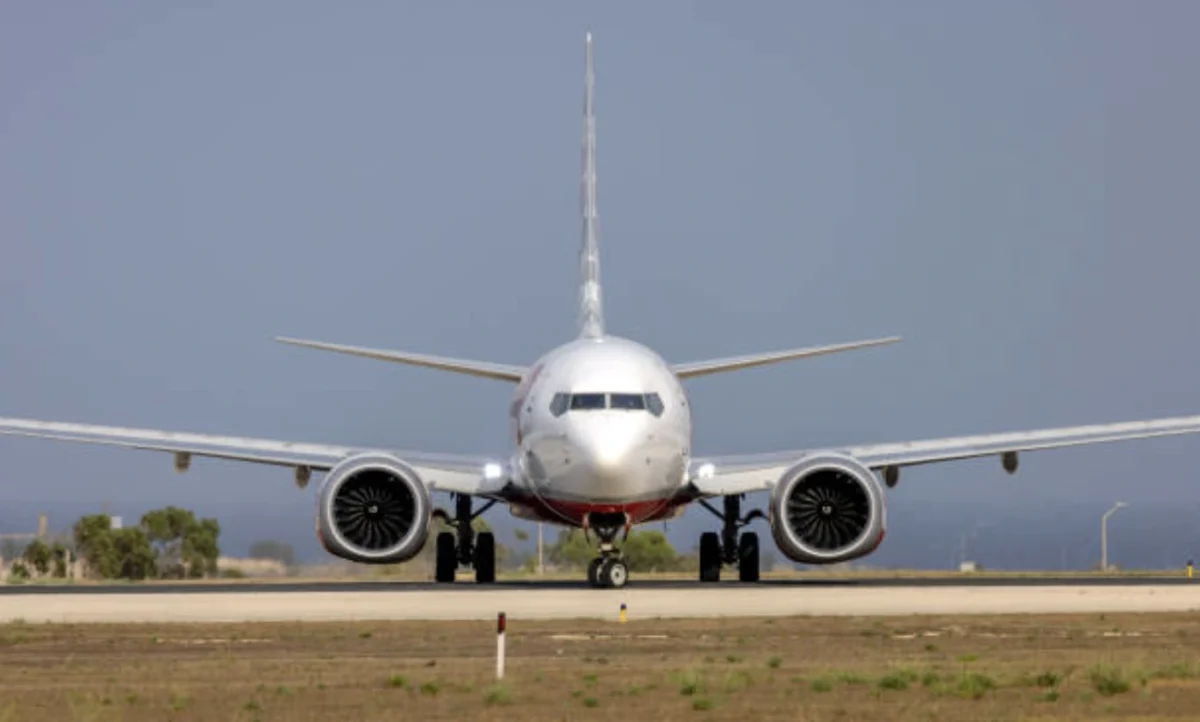
If you’ve got a flight booked in the coming weeks, there’s a decent chance it could be on a Boeing 737 Max — and a new federal safety directive is worth understanding before you go. On August 7, 2026, the FAA ordered inspections of hundreds of Boeing 737 Max jets after reports of cracks were found in a structural component on earlier-generation 737 models. The order affects an estimated 471 U.S.-registered aircraft and 1,429 planes worldwide, covering the 737-8, 737-9, and high-density 737-8200 variants flown by major U.S. carriers every day.
Here’s what actually happened, what it means for your safety and your travel plans, and practical tips for anyone with an upcoming flight who wants a clear-eyed answer rather than headline-driven anxiety.
What Happened: The FAA’s New Boeing 737 Max Inspection Order
The FAA’s new airworthiness directive requires operators to inspect the fuselage skin and a structural component called the “bear strap” near the forward galley door on the right side of certain 737 Max aircraft. A bear strap is essentially an extra layer of reinforcing material installed around an opening in an aircraft’s fuselage — in this case, around the forward service door — designed to help the surrounding structure handle the stress concentrated around any cutout in the plane’s body. According to the FAA, repeated stress from the physical strain of takeoff and landing cycles has been associated with cracking developing at door corners over time.
Critically, no cracks have actually been found on any 737 Max aircraft to date. The issue was originally identified on older 737 Next Generation planes, with Boeing first flagging it and issuing inspection guidance to operators back in 2019; the FAA mandated those checks in 2021. Boeing has since extended the same precautionary inspections to the Max fleet because the two aircraft families share a similar structural design and manufacturing process, even though the specific cracking hasn’t shown up on Max jets themselves. The new directive takes effect September 10, 2026, and requires airlines to inspect the affected area within specific flight-cycle windows tied to each aircraft’s usage history.
Is It Safe to Fly on a Boeing 737 Max Right Now?
Yes — and the FAA’s own handling of this order reflects that assessment directly. Notably, the agency did not order any of the affected aircraft grounded, explaining that the mandated inspection intervals are specifically designed to give operators multiple opportunities to catch and address any cracking well before it could ever compromise the aircraft’s structural integrity. That’s a meaningfully different response than what regulators impose when they consider an immediate safety risk present — grounding orders exist in the FAA’s toolkit, and choosing an inspection-and-repair timeline instead signals that this is a precautionary, preventive measure rather than an emergency one.
Major U.S. airlines have echoed that assessment, with several indicating they expect no immediate operational disruptions as they fold the new inspection requirements into existing maintenance schedules. Boeing, for its part, has stated plainly that the issue “has not been observed on the 737 Max fleet,” and that it extended the inspection protocol proactively given the shared design lineage with the Next Generation planes where cracking actually was found. Put simply: this is a directive built around catching a potential problem early, not evidence of an active safety crisis on planes currently in the air.
A Brief History: Why Boeing 737 Max Safety Keeps Making Headlines
It’s worth acknowledging directly why a routine-sounding inspection order generates outsized attention when it involves the 737 Max specifically. Boeing has faced years of safety, quality, and production scrutiny tied to this aircraft family, beginning with two catastrophic crashes — a Lion Air flight in 2018 and an Ethiopian Airlines flight in 2019 — that together killed 346 people and were ultimately traced to a flight-control software system called MCAS. That history was compounded in January 2024 when a door plug panel detached mid-flight from an Alaska Airlines-operated 737 Max 9, an incident that triggered its own FAA grounding order and renewed scrutiny of Boeing’s manufacturing quality controls.
That track record is precisely why this particular fuselage crack directive — a precautionary measure involving zero confirmed cracks on the actual aircraft in question — has drawn national headlines rather than passing as routine aviation maintenance news, which inspection directives like this genuinely are on a fairly regular basis across the industry. It’s a useful reminder that not every 737 Max headline represents an equivalent level of risk; understanding the difference between a proactive precautionary check and an active safety failure matters for making sense of aviation news without over- or under-reacting to it.
How to Find Out If Your Flight Uses a 737 Max
If you want to know whether an upcoming flight is scheduled to operate on a 737 Max, most major booking platforms and airline websites display the specific aircraft type during the booking process, typically listed alongside your flight’s departure and arrival times. Keep in mind that airlines do sometimes swap aircraft types close to departure due to maintenance needs or scheduling changes, so the aircraft shown at booking isn’t always a guarantee of what you’ll actually board. Checking your specific flight confirmation or the airline’s mobile app closer to your departure date will generally give you the most current aircraft assignment.
It’s also worth remembering that 471 U.S.-registered aircraft, while a meaningful number, still represents a subset of the broader commercial fleet actively flying domestic and international routes — many flights on any given day, across many carriers, won’t involve an affected aircraft at all. If aviation safety news generally affects how comfortable you feel booking travel, it’s worth following broader coverage of how major carriers are managing demand and operational reliability across their networks for a fuller sense of how airlines are navigating the current operating environment beyond any single aircraft-specific directive.
Travel Tips: What to Do If You’re Flying a 737 Max
Given the FAA’s own decision not to ground affected aircraft, there’s no practical reason to cancel or rebook a flight solely because it’s operated by a 737 Max. If you’d still prefer added peace of mind, most major airlines allow aircraft-type filtering during flight search, letting you select a different aircraft family if one’s available on your route — though be aware this may limit your flight options or affect pricing, particularly on routes where the Max is the primary aircraft in a carrier’s fleet.
For travelers who experience genuine flight anxiety, keep in mind that aviation safety directives like this one are actually part of a system working as intended — regulators and manufacturers proactively investigating shared design elements across aircraft families, rather than waiting for a problem to manifest before acting. That proactive posture is the same underlying process that governs how airlines respond to in-flight mechanical issues more broadly; incidents like an engine fire forcing an emergency landing or a hard landing during turbulence tend to dominate headlines specifically because commercial aviation’s safety margins are so consistently high that any deviation becomes national news — a useful piece of context worth remembering when any single aviation safety story feels alarming in isolation.
What This Means for Your Upcoming Trip
For the vast majority of travelers with flights booked in the coming weeks and months, this directive changes essentially nothing about your trip. Airlines are folding the required inspections into existing maintenance schedules, the FAA has explicitly declined to ground any aircraft, and no actual cracks have been found on the Max fleet itself. If you’re booking a new flight and aircraft type genuinely matters to your comfort level, most airline websites make that information easy to check during booking — a habit worth building generally when comparing flight options and pricing across routes and carriers, since aircraft type is just one of several factors, alongside price and schedule, that shape which flight actually makes sense for your trip.
The broader takeaway for travelers is one of proportion: a precautionary inspection order affecting fewer than 500 U.S. aircraft, with zero confirmed cracks found on the model in question and no grounding order attached, is a meaningfully different story than the headline alone might suggest — and it’s worth reading past the headline before it changes any travel plans.
Frequently Asked Questions
Is it safe to fly on a Boeing 737 Max right now?
Yes. The FAA did not order any 737 Max aircraft grounded and stated that the mandated inspection intervals give operators multiple opportunities to catch potential cracking before it could affect structural integrity. No cracks have actually been found on any 737 Max aircraft to date.
How many Boeing 737 Max planes are affected by the FAA inspection order?
The FAA’s directive affects an estimated 471 U.S.-registered aircraft and 1,429 planes worldwide, covering the Boeing 737-8, 737-9, and 737-8200 models. The order takes effect September 10, 2026.
Why did the FAA order inspections if no cracks were found on the Max fleet?
The cracking was originally found on older Boeing 737 Next Generation aircraft near the forward galley door’s bear strap, a structural reinforcement component. Boeing extended the inspection protocol to Max aircraft as a precaution because the two aircraft families share a similar structural design and manufacturing process.
How can I find out if my flight is on a Boeing 737 Max?
Most airline websites and major booking platforms display the specific aircraft type during flight search and in your booking confirmation. Since airlines occasionally swap aircraft close to departure, checking your airline’s app shortly before your flight will give you the most current information.
Should I cancel my flight if it’s on a 737 Max?
No. Given that the FAA has not grounded any affected aircraft and no cracks have been confirmed on the Max fleet, there’s no safety-based reason to cancel or rebook a flight. Travelers who want extra peace of mind can typically filter for a different aircraft type during booking.
What is a bear strap on an airplane?
A bear strap is a structural reinforcement, an extra layer of material installed around an opening in an aircraft’s fuselage, such as a door or window cutout, designed to help the surrounding structure handle the stress concentrated around that opening.