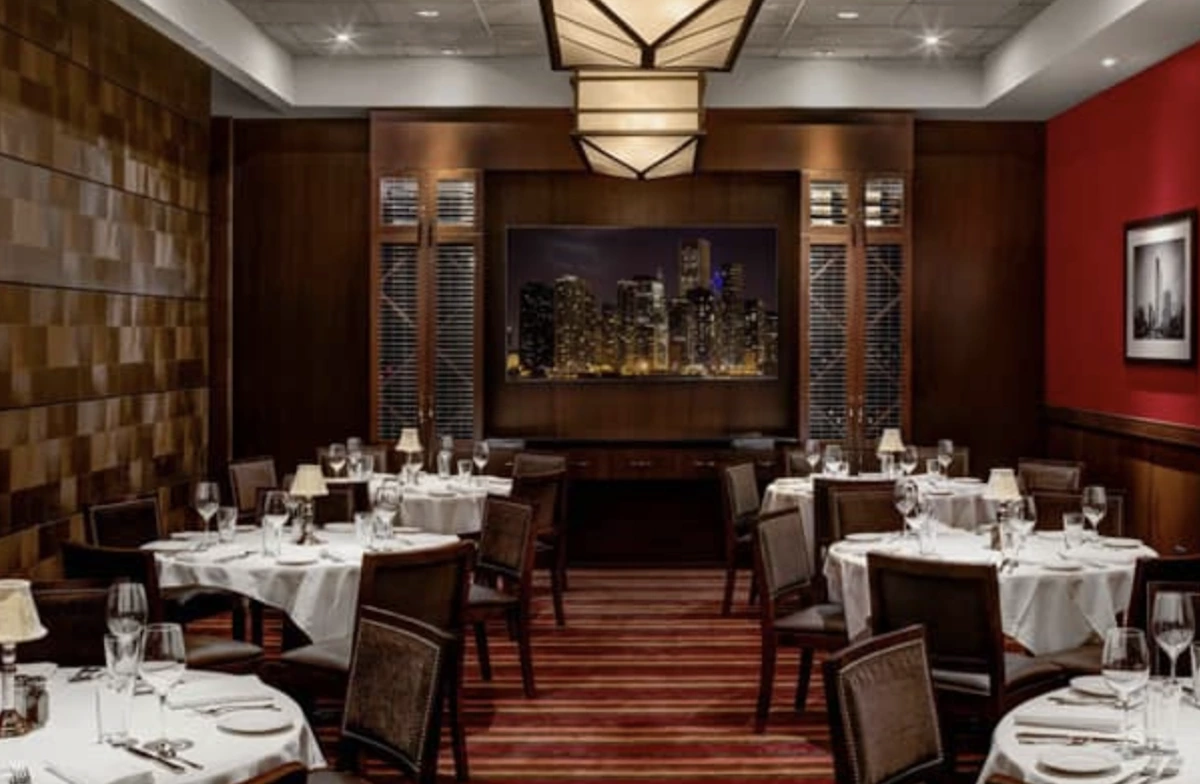
Fans of upscale dining in Illinois were surprised after news broke about The Capital Grille closing Illinois location at the popular Westfield Old Orchard Mall in Skokie. The fine dining steakhouse, known for premium dry-aged steaks, seafood, and an extensive wine selection, will officially shut its doors on May 31 after operating for just three years.
The sudden closure has sparked conversations among local diners and business analysts, especially because the restaurant occupied a highly visible location inside one of the Chicago area’s busiest shopping destinations.
The Capital Grille to Exit Westfield Old Orchard Mall
The Capital Grille confirmed that its Skokie restaurant at Westfield Old Orchard Mall will permanently close at the end of May. The restaurant first opened in March 2023, taking over the former McCormick & Schmick’s space on the mall’s southeast side.
Operated by Darden Restaurants, The Capital Grille quickly became one of the mall’s most recognizable dining spots thanks to its luxury atmosphere and reputation for high-end steaks and seafood.
However, despite the restaurant’s strong brand recognition, company officials said the decision to close was made after “careful consideration.”
In a statement, Darden Restaurants acknowledged the impact on both employees and customers.
“Closing this restaurant is a difficult business decision, and it’s one we made very carefully and thoughtfully,” the company stated.
The company also said it is working to help affected employees find positions at other restaurant locations.
Why the Closure Is Surprising
Many local residents are surprised by the announcement because the Skokie location opened only three years ago in a spacious 9,000-square-foot property inside a premium retail destination.
Westfield Old Orchard Mall has long been considered one of the top shopping centers in the Chicago suburbs, attracting both local shoppers and tourists. Because of this, many expected The Capital Grille to remain a long-term tenant.
The restaurant chain still operates several Illinois locations, including:
- Lombard
- Rosemont
- Schaumburg
- Streeterville in downtown Chicago
Darden Restaurants confirmed there are currently no plans to close additional Capital Grille restaurants in Illinois.
Darden Restaurants Continues Business Restructuring
The closure comes during a period of operational changes for Darden Restaurants, one of America’s largest restaurant companies.
In recent months, Darden also announced the permanent closure of 28 Bahama Breeze locations across the United States. The company owns several major restaurant brands, including:
- Olive Garden
- LongHorn Steakhouse
- Ruth’s Chris Steak House
- Yard House
- Seasons 52
Industry analysts say restaurant companies are increasingly evaluating underperforming locations due to rising operating expenses and changing consumer behavior.
Changing Dining Habits Affecting Fine Dining Restaurants
The closure also reflects broader challenges facing upscale dining chains nationwide.
Many consumers are becoming more cautious with discretionary spending as inflation and higher living costs continue affecting household budgets. Fine dining restaurants often face pressure during uncertain economic periods because customers reduce luxury dining experiences before cutting essential expenses.
At the same time, shopping malls across the country are evolving. While malls still attract visitors, many consumers now prefer mixed-use entertainment districts, standalone dining concepts, or delivery-friendly restaurants.
Competition in the Chicago-area steakhouse market is also intense, with numerous luxury and independent restaurants competing for the same customer base.
What’s Behind The Capital Grille Closing Illinois Location
Although Darden Restaurants did not provide detailed financial reasons, several business factors may have contributed to the closure.
1. High Operating Costs
Luxury restaurants require significant expenses for:
- Prime real estate leases
- Premium ingredients
- Large staffing needs
- Upscale interior maintenance
Operating inside a major shopping mall may have added additional leasing and operational costs.
2. Competitive Fine Dining Market
The Chicago metropolitan area already has a highly competitive steakhouse industry. Customers have many alternatives ranging from local steakhouses to national luxury brands.
This competition can make it difficult for newer locations to build long-term profitability.
3. Shifting Consumer Spending
Consumers are increasingly prioritizing affordable dining options or fast-casual experiences. Inflation and economic uncertainty may have reduced demand for expensive dining experiences.
4. Mall Traffic Changes
Even successful malls are experiencing changes in visitor behavior. Shoppers now spend less time inside malls compared to previous years, which can directly affect restaurant traffic.
How The Brand Could Recover or Adapt
Despite the closure, The Capital Grille remains a strong national brand with loyal customers. Several strategies could help the company maintain growth in Illinois and nationwide.
Focus on Standalone Locations
Restaurants outside malls may attract more consistent traffic and reduce dependency on retail shopping patterns.
Expand Private Dining and Events
Luxury restaurants can increase revenue through business events, private parties, and corporate dining experiences.
Improve Digital Marketing
Targeted local advertising and loyalty programs may help attract younger high-income diners.
Introduce Flexible Pricing
Special promotions, seasonal menus, or happy hour offerings could encourage more frequent visits without hurting the luxury brand image.
Enhance Delivery and Takeout Services
While fine dining traditionally focuses on in-person experiences, premium takeout options continue growing in popularity.
What Happens Next for Customers?
Customers still have time to visit the Skokie location before its final day on May 31. Meanwhile, nearby Capital Grille locations in Rosemont, Schaumburg, Lombard, and downtown Chicago remain open.
The closure serves as another reminder that even well-known restaurant brands must constantly adapt to changing economic conditions, customer expectations, and dining trends.