Few games manage to combine storytelling, gameplay innovation, and emotional depth as seamlessly as It Takes Two. Developed by Hazelight Studios and directed by Josef Fares, this co-op adventure has earned widespread praise—but beneath its colorful surface lies a surprisingly uncomfortable side.
A Story About Relationships—But Not Always a Pleasant One
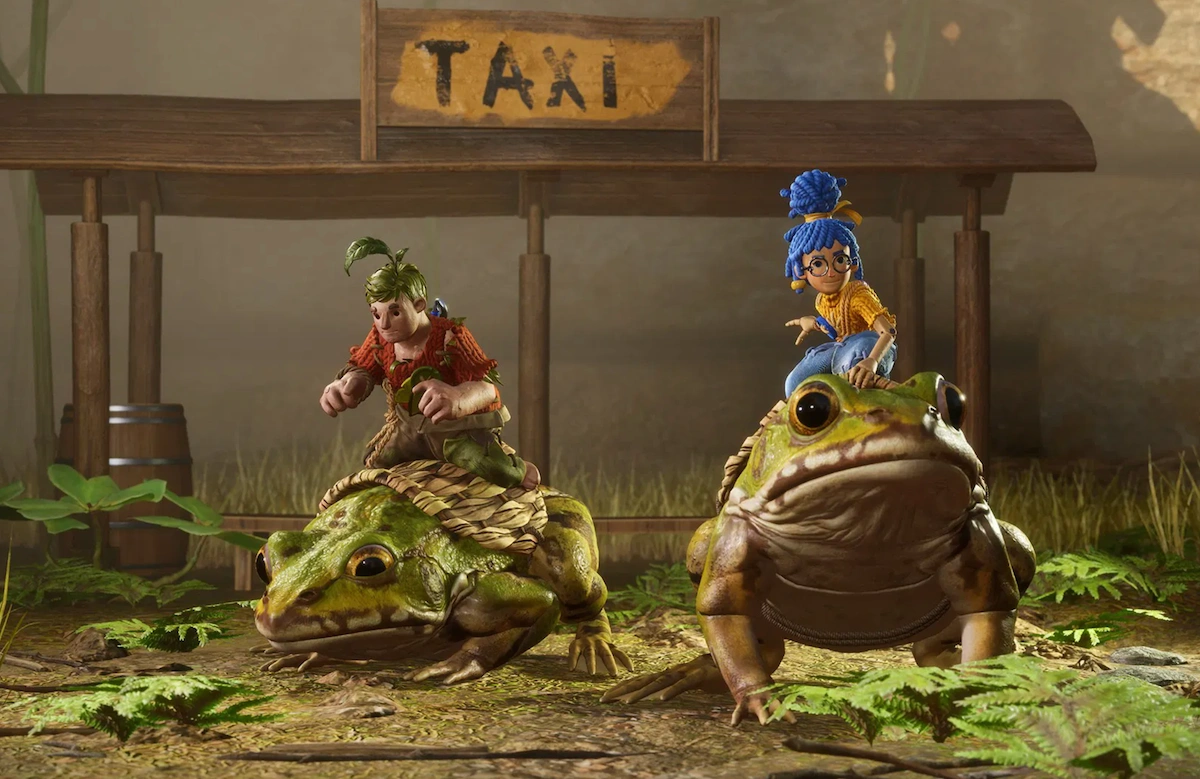
It Takes Two follows Cody and May, a couple on the brink of divorce who are turned into dolls and forced to work together.
On paper, it’s about healing a relationship. In practice, it can feel more complicated.
The game pushes the idea of reconciliation, but some players may find:
- The conflict resolution feels forced
- The emotional growth is uneven
- The ending leans toward a “fixed marriage” narrative, which may not resonate with everyone
It’s a heartfelt story, but not always a universally satisfying one.
Co-Op Gameplay That Truly Demands Cooperation
Gameplay remains the game’s strongest element.
You and your partner must:
- Communicate constantly
- Coordinate actions precisely
- Rely on each other to progress
This makes it one of the best co-op experiences ever created—but also means:
👉 If your partner struggles, the experience can quickly become frustrating
👉 It’s not casual-friendly for all types of players
Constant Innovation That Rarely Slows Down
The game introduces new mechanics almost every level:
- Platforming
- Puzzle-solving
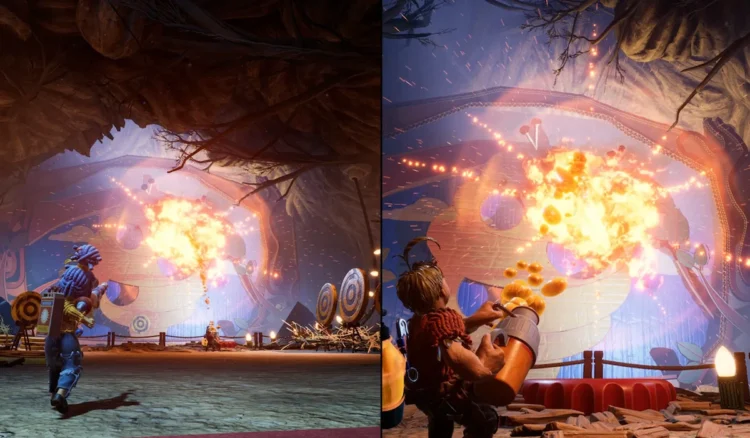
- Shooting mechanics
- Mini-games
This variety keeps things fresh, but it can also feel overwhelming, especially for less experienced players who barely get time to master one mechanic before another appears.
The “Brutal” Side: When the Game Gets Uncomfortably Dark
Here’s where It Takes Two surprises many players.
Despite its playful art style, the game includes moments that feel unexpectedly harsh—especially one infamous sequence involving a toy character.
What stands out:
- Scenes that feel emotionally manipulative rather than meaningful
- A tonal clash between “cute visuals” and darker actions
- Moments that can feel disturbing, particularly when played with younger audiences
Instead of reinforcing empathy, some scenes create discomfort—making players question the characters rather than sympathize with them.
Dialogue and Characters: Not Always Likable
Cody and May are intentionally flawed—but sometimes:
- Their arguments feel repetitive
- Their personalities can be frustrating
- It’s hard to fully root for them
Rather than a clear emotional journey, the game occasionally feels like watching two people who don’t quite learn enough.
Visual Creativity Still Shines
Despite its flaws, the world design is outstanding.
Everyday environments are transformed into imaginative playgrounds:
- Tool sheds become action levels
- Gardens turn into vibrant ecosystems
- Household spaces feel alive and interactive
Creativity is constant—and one of the game’s biggest strengths.
Strengths and Weaknesses
Strengths:
- One of the best co-op gameplay designs ever made
- Constantly evolving mechanics
- Creative world-building
- Fun and competitive mini-games
Weaknesses:
- Story can feel forced or uneven
- Some scenes are surprisingly disturbing
- Characters are not always likable
- Requires strong communication (not beginner-friendly)

Final Verdict
It Takes Two is a bold and innovative co-op experience that delivers unforgettable gameplay. However, its narrative choices and tonal inconsistencies may not work for everyone.
It’s a game that succeeds brilliantly in design—but takes risks emotionally, sometimes to a fault.