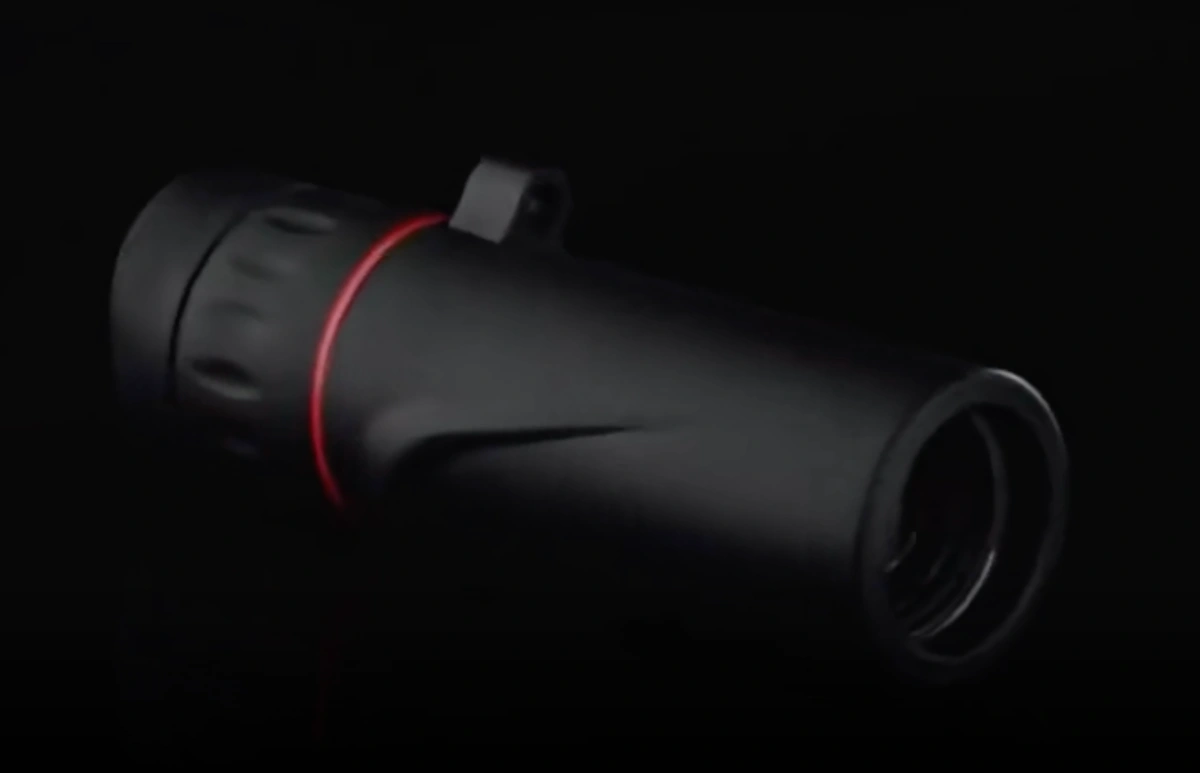
If you’ve been searching for a budget-friendly monocular telescope, you’ve probably seen bold claims like “2000X zoom” and wondered: is this real or just marketing hype?
One product that keeps appearing across marketplaces is the 2000X25 HD Monocular Telescope, priced at just around $4. That price alone raises questions. Can something this cheap actually be useful for hiking, bird watching, or even casual stargazing?
In this guide, we’ll take a neutral, research-based look at what this monocular offers, where it performs reasonably well, and where expectations should be realistic—so you can decide if it’s worth your money.
👉 Check current price and availability HERE
What This Monocular Is Designed For
This compact monocular is marketed as a multi-purpose viewing tool for everyday outdoor and casual use.
Based on its specifications and typical use cases, it’s mainly suited for:
- Travel and sightseeing
- Hiking and camping
- Bird watching at short to medium distances
- Outdoor events like concerts or sports
- Casual stargazing (basic level)
The key appeal here isn’t professional performance—it’s portability and affordability.
At this price point, the expectation isn’t to replace high-end optics, but rather to provide a lightweight, entry-level viewing experience.
Understanding the “2000X Zoom” Claim
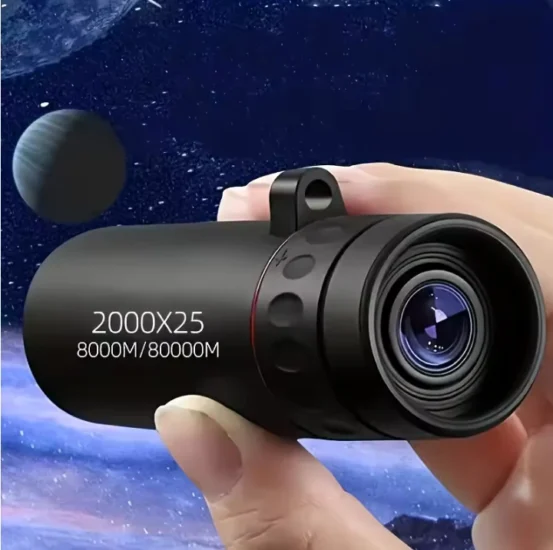
One of the most eye-catching claims is the “2000X magnification.” However, it’s important to approach this carefully.
Based on the product’s actual specifications, the magnification is closer to 8x to 10x, which is standard for compact monoculars.
What does this mean in real use?
- You can clearly view objects at medium distances
- It’s suitable for observing landscapes or wildlife
- It will not function like a high-powered telescope used for astronomy
👉 In simple terms:
The “2000X” label is likely marketing language rather than a literal specification.
This doesn’t make the product useless—it just means expectations should be aligned with reality.
Key Features (Explained in Practical Terms)
Instead of listing technical specs, let’s translate what they mean for actual use.
8–10x Magnification
This level of zoom is common in entry-level monoculars. It’s effective for:
- Viewing distant scenery
- Watching animals without getting too close
- Observing stage performances at events
However, it won’t provide extreme zoom or ultra-detailed long-distance clarity.
BK7 Prism System
BK7 is a standard optical material used in budget-friendly lenses.
What to expect:
- Decent image clarity in good lighting
- Slight loss of sharpness at edges
- Not as bright as premium prism systems
IPX4 Water Resistance
This rating means the device can handle:
- Light rain
- Splashes
But it’s not designed for heavy weather or full water exposure.
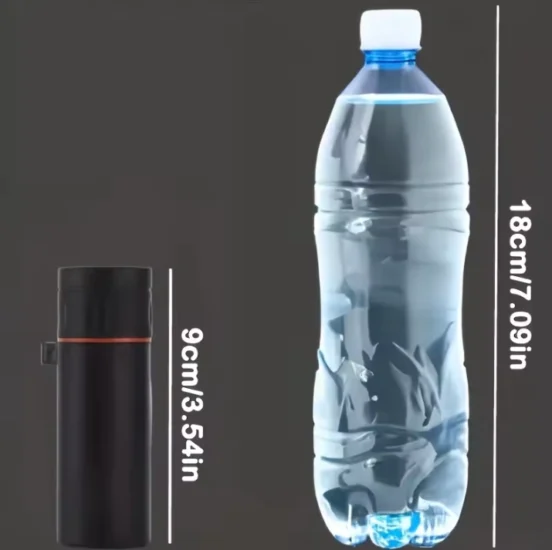
Compact & Lightweight Design
One of the strongest advantages:
- Easy to carry in a pocket or small bag
- Convenient for travel and outdoor activities
- No need for extra accessories
Manual Focus System
The monocular uses a central and detached focus system.
In practice:
- Requires manual adjustment
- Takes a little time to get sharp focus
- Normal for devices in this category
Where This Monocular Performs Well
Even at a very low price, there are scenarios where this type of monocular can still be useful.
Travel and Sightseeing
For travelers who want a quick way to zoom into landmarks or landscapes, this monocular offers a simple, portable solution.
Hiking and Outdoor Use
Its lightweight design makes it practical for:
- Trail observation
- Spotting distant views
- Checking surroundings without carrying heavy gear
Bird Watching (Beginner Level)
While not ideal for serious bird watchers, it can work for:
- Observing birds at moderate distances
- Casual wildlife spotting
Concerts and Events
For events where you’re seated far from the stage, a monocular like this can:
- Bring performers slightly closer
- Enhance visibility without bulky equipment
Where It Falls Short
To make an informed decision, it’s equally important to understand the limitations.

Not True High-Power Zoom
Despite the “2000X” label:
- It does not provide extreme magnification
- It won’t replace professional telescopes
Limited Low-Light Performance
In dim environments:
- Image brightness may drop
- Details become less clear
This is typical for budget optics.
Basic Build Quality
With plastic materials:
- Durability is limited
- It may not withstand rough handling
Not Ideal for Serious Astronomy
While you may see the moon:
- Planetary detail will be minimal
- Not suitable for deep-sky observation
Cheap vs Expensive Monoculars: What’s the Difference?
If you’re deciding between this and a higher-end option, here’s a realistic comparison.
| Feature | Budget Monocular (~$4) | Premium Models ($50–$150) |
|---|---|---|
| Image clarity | Basic | Sharper and brighter |
| Build quality | Plastic | Durable materials |
| Zoom accuracy | Moderate | More precise |
| Low-light performance | Limited | Much better |
| Longevity | Short-term use | Long-term investment |
Key Insight:
If you’re just starting out or want something casual, a budget monocular may be enough.
But for serious outdoor or optical use, higher-end models provide a noticeable upgrade.
Who Should Consider Buying This?
This monocular makes sense for certain types of users.
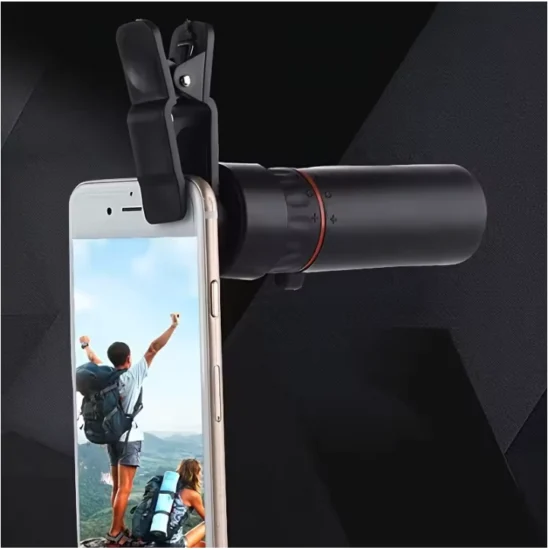
Good Fit For:
- Beginners curious about monoculars
- Travelers who want ultra-light gear
- Casual users with low expectations
- Anyone looking for a very cheap experiment
Not Ideal For:
- Professional photographers
- Serious bird watchers
- Astronomy enthusiasts
- Users expecting high-end performance
Common Questions (FAQ)
Is the 2000X magnification real?
No, the actual usable magnification is closer to 8x–10x, which is standard for compact monoculars.
Can you see planets with this monocular?
You may see bright objects like the moon, but detailed planetary viewing is unlikely.
Is it suitable for beginners?
Yes. Its simplicity and low price make it accessible for first-time users.
Does it work at night?
It has limited low-light capability, but it is not a true night-vision device.
Is it worth buying at this price?
At around $4, it can be considered a low-risk purchase, especially for casual use.
What You Should Expect in the Box
Based on typical listings, you can expect:
- The monocular unit
- Basic lens components (glass + plastic housing)
- No batteries required
- Simple manual operation
There are no advanced accessories or premium materials included.
Is It Worth It?
The 2000X25 HD Monocular Telescope sits firmly in the category of ultra-budget optical gadgets.
It doesn’t deliver professional performance, and some claims (like “2000X zoom”) are clearly exaggerated. However, that doesn’t automatically make it a bad product.
The honest takeaway:
- It’s usable for casual, everyday situations
- It offers extreme affordability and portability
- It requires realistic expectations
If you approach it as a basic tool rather than a high-performance device, it can still provide value.
Should You Buy It?
Consider buying if:
- You want something cheap and portable
- You’re just getting started
- You don’t need high precision
Skip it if:
- You expect professional-level clarity
- You need reliable long-distance zoom
- You plan serious outdoor or astronomy use
👉 If you want to check the latest price or availability, you can view it HERE
This year, where many products are overhyped, the smartest approach is simple:
Understand what you’re buying—and why.
This monocular isn’t groundbreaking, but it doesn’t need to be. For the right user, at the right expectations, it can still be a practical and interesting tool to have in your pocket.
is 2000x monocular telescope real, best cheap monocular telescope for hiking, monocular telescope for travel and stargazing, budget monocular telescope under 10 dollars, portable monocular for bird watching, monocular telescope for concerts, review compact monocular telescope for beginners, affordable monocular telescope