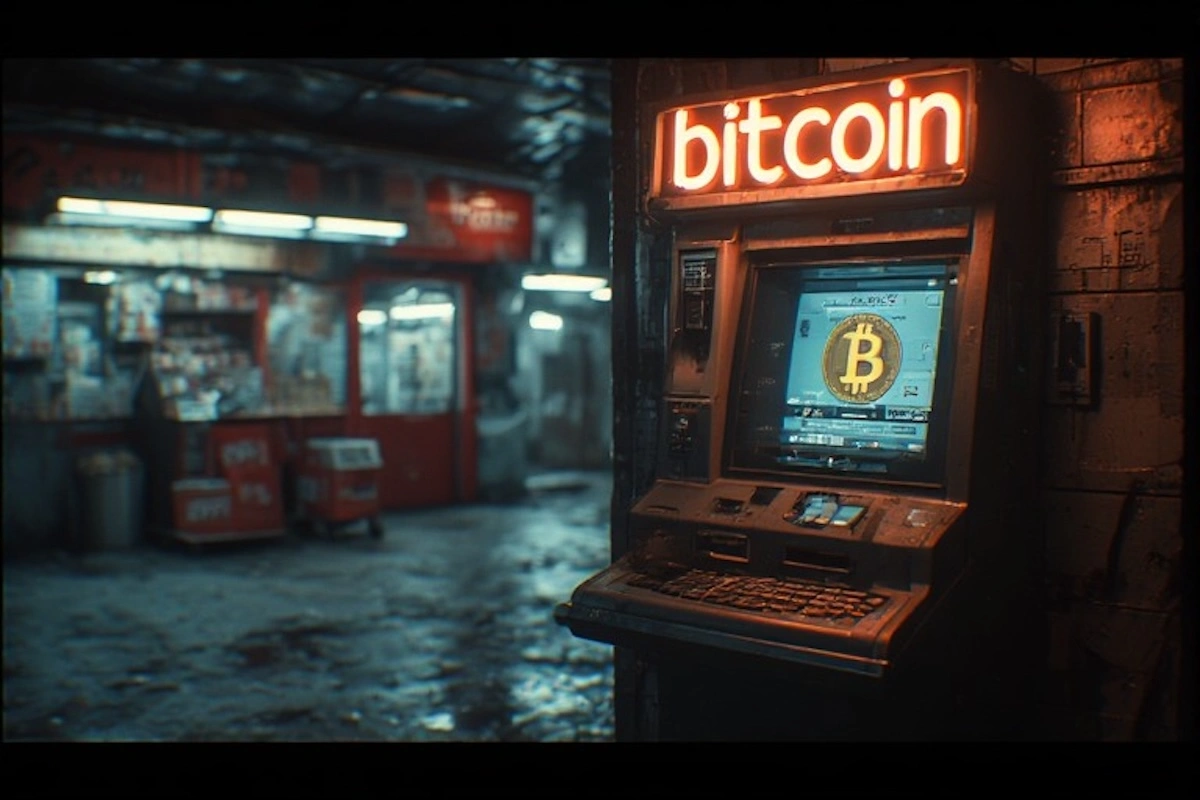
Bitcoin ATMs were once promoted as a simple bridge between cash and cryptocurrency. Today, they sit at the center of a heated national debate over fraud, consumer protection, privacy, and financial regulation. As complaints rise and losses mount, lawmakers across the United States are considering whether stricter oversight — or even outright bans — are necessary.
Here’s a comprehensive look at what is happening, why bitcoin ATMs are controversial, and what their future may hold.
What Is a Bitcoin ATM?
A bitcoin ATM (also called a crypto ATM or virtual currency kiosk) is a physical machine that allows users to exchange cash or debit card payments for cryptocurrency — typically Bitcoin — often by scanning a QR code linked to a digital wallet.
Unlike traditional bank ATMs, these machines do not connect to a checking account. Instead, they facilitate direct cryptocurrency purchases. Many are located in convenience stores, gas stations, and shopping centers.
While bitcoin ATMs provide accessibility and convenience, regulators argue they also create vulnerabilities that scammers exploit.
Minnesota Moves to Ban Crypto ATMs
In Minnesota, lawmakers have introduced House File 3642, a bill that would ban crypto ATMs statewide. The proposal, backed by local police and the Minnesota Department of Commerce, would prohibit the operation of virtual currency kiosks and repeal a regulatory framework enacted in 2024.
The earlier law required operators to:
- Post warnings that cryptocurrency is not legal tender
- Inform customers that transactions are irreversible
- Impose a $2,000 daily limit on new accounts under 72 hours old
- Offer refunds within 14 days if fraud victims reported incidents to companies and law enforcement
Despite those measures, officials argue that scammers routinely bypass safeguards by instructing victims to use existing accounts or travel to neighboring states like Wisconsin.
The Department of Commerce reported 70 complaints over the past year totaling $540,000 in losses — and experts believe the true number is significantly higher due to underreporting.
The Human Cost of Bitcoin ATM Scams
Law enforcement testimony has highlighted troubling cases. One elderly victim reportedly sent nearly half her monthly income over six months through repeated bitcoin ATM transactions after being manipulated by scammers. She feared losing her home.
These stories reflect a broader national trend: scammers often target older Americans, coaching them over the phone to withdraw cash and deposit it into bitcoin ATMs.
According to the Federal Bureau of Investigation, nearly 11,000 crypto ATM scam complaints were filed in 2024 totaling $247 million. In 2025, losses climbed to $333 million — even before December figures were included.
Again, authorities stress that most victims never report fraud, meaning actual losses are likely far higher.
A Nationwide Regulatory Crackdown
Minnesota is not alone.
In Massachusetts, Attorney General Andrea Joy Campbell filed suit against Bitcoin Depot, alleging the company facilitated scam transactions exceeding $10 million in losses. Internal data reportedly showed that a significant percentage of transactions were scam-related during certain periods.
In Maine, a nearly $2 million settlement required Bitcoin Depot to remove all kiosks from the state. Kansas regulators launched investigations after a couple lost $20,000 to a phone scam directing them to deposit funds into a machine.
Meanwhile, West Virginia lawmakers advanced legislation to license operators, set transaction caps, and mandate fraud prevention protocols after residents reported $7.6 million in losses in one year.
Consumer advocacy groups such as AARP have supported regulatory measures, noting that individuals aged 60 and older account for the overwhelming majority of reported crypto ATM scam losses.
The Rise of “Pig Butchering” Scams
A major driver of bitcoin ATM fraud is the global surge in “pig butchering” scams — a term describing long-term emotional manipulation schemes.
Criminal syndicates operating in parts of Southeast Asia build fake romantic or friendly relationships with victims online, gradually persuading them to invest in fraudulent cryptocurrency platforms that display fake profits. Once funds are transferred, the scammers disappear.
Bitcoin ATMs are frequently used in these schemes because:
- Transactions are irreversible
- Only cash and a QR code are required
- There is minimal friction compared to bank transfers
U.S. authorities have also linked massive cryptocurrency seizures — including over 127,000 bitcoin tied to laundering operations — to proceeds from these scams.
Federal Oversight: The CLARITY Act
At the federal level, lawmakers have proposed tighter oversight through the Digital Asset Market Clarity Act, commonly called the CLARITY Act.
Under draft Senate language, kiosk operators would be treated as money transmitters under Bank Secrecy Act rules. Requirements could include:
- Treasury registration of kiosk locations
- Identity verification for all customers
- Transaction limits
- Fraud refund procedures
- Mandatory disclosures and receipts
- Compliance officers
- Customer service helplines
However, Senate deliberations have been delayed amid disagreements — particularly around stablecoin regulation.
Industry Response: Don’t Ban the Technology
Operators argue that banning bitcoin ATMs punishes legitimate businesses rather than targeting criminals.
Larry Lipka of CoinFlip acknowledged the fraud problem but opposed prohibition, stating that scams should not justify banning a legal product.
Companies emphasize that they have introduced stronger identity verification systems and cooperate with law enforcement investigations.
Privacy Advocates Push Back
Financial privacy groups argue that restrictions on bitcoin ATMs represent broader financial surveillance creep.
Analysts at the Cato Institute contend that scammers — not the technology — are the root problem. They warn that eliminating crypto kiosks removes one of the last relatively direct cash-to-crypto pathways.
Critics also point out that peer-to-peer crypto transactions can still occur informally without centralized intermediaries, meaning bans may only shift activity rather than eliminate risk.
Broader Crypto Crime Trends
According to blockchain analytics firm Chainalysis, illicit cryptocurrency activity reached approximately $154 billion in 2025 — a 162% increase over 2024 levels.
Sanctioned nation states and organized crime groups have increasingly used stablecoins and other digital assets, raising fresh national security and compliance concerns.
The Future of Bitcoin ATMs
Roughly 350 licensed crypto kiosks operate in Minnesota alone under multiple companies. Nationwide, thousands of machines remain active.
The future of bitcoin ATMs likely depends on whether policymakers pursue:
- Outright bans
- Strict licensing and compliance frameworks
- Enhanced consumer education campaigns
- Technology-driven fraud detection
For now, bitcoin ATMs remain legal in most states — but they are facing more scrutiny than ever.
Bitcoin ATMs were created to democratize access to digital currency. Yet rising fraud, particularly targeting elderly Americans, has transformed them into a regulatory flashpoint.
With state bans under consideration, federal legislation pending, and enforcement agencies tracking record scam losses, the future of bitcoin ATMs hangs in the balance. Whether policymakers choose prohibition, reform, or balanced oversight will shape how Americans interact with cryptocurrency in physical spaces for years to come.