The $15 Sandwich Problem
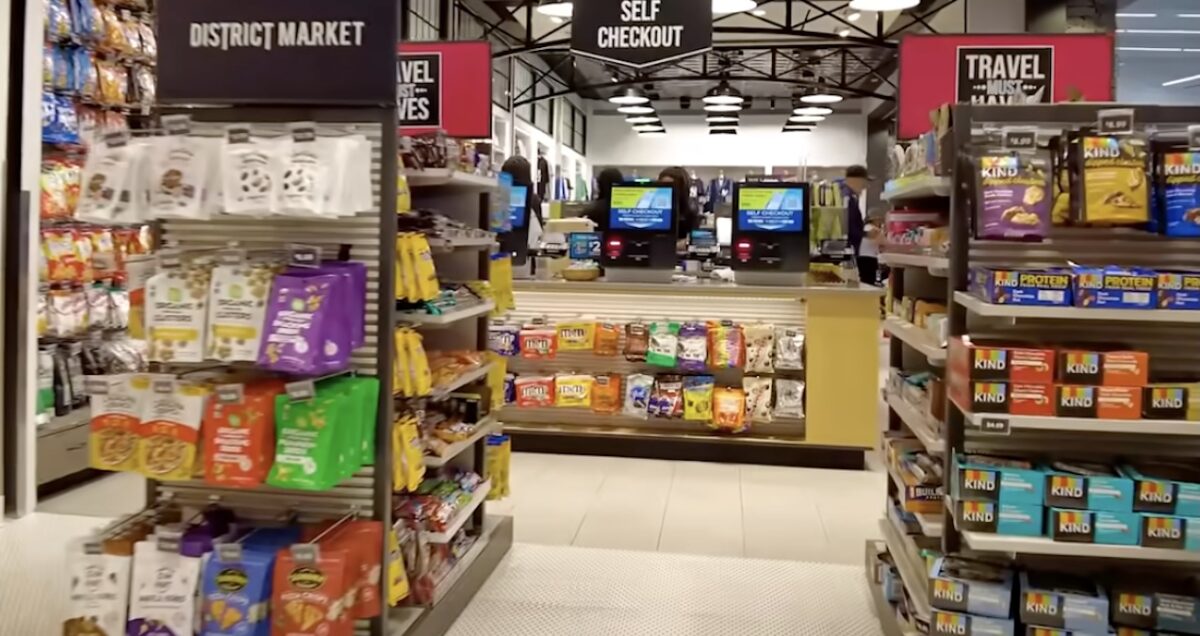
You’ve just cleared security, you’re hungry, and the next thing you know — you’ve paid $15 for a turkey sandwich and a bottle of water. It’s a familiar story for travelers around the world.
But why does food at airports always seem to cost so much more than anywhere else?
The answer lies in a mix of high costs, strict logistics, and captive consumers. And while some factors are out of your control, there are smart ways to avoid overpaying.
The Real Reasons Airport Food Is So Expensive
Limited Competition Behind Security
Once you pass through security, your choices narrow dramatically. Only a small number of food vendors are approved to operate inside, creating a closed marketplace.
Airports often sign exclusive lease agreements with concession operators, meaning no other restaurants can compete in that zone. And since travelers can’t bring large amounts of outside food or liquids through security, demand stays high even when prices rise.
High Rent and Operating Costs
Airport vendors don’t get cheap space. Retail and dining outlets inside terminals pay premium rent per square meter, often far higher than shops in city centers.
On top of that, they must meet strict design, branding, and construction standards set by airport authorities. These costs — from décor to utilities — get passed directly to consumers through higher menu prices.
Security and Logistics Costs
Every ingredient that ends up in your airport meal has to go through additional screening and handling. Delivery trucks can’t just pull up to a terminal — they must pass through security checkpoints, coordinate schedules, and clear inspections.
These extra steps mean more time, labor, and security fees, all of which inflate the final food price you see on the board.
Staffing and Supply Chain Challenges
Operating an airport restaurant comes with unique staffing issues. Employees need special clearance to work beyond security areas, and shifts often cover early mornings or overnight hours when regular workers are unavailable.
In addition, many airport vendors rely on a limited network of approved suppliers, which reduces flexibility and drives up food costs compared to city locations.
The Captive Audience Effect
When you’re inside an airport, you’re literally a captive customer. Behavioral economists note that when people have fewer options and less time, they’re more likely to accept higher prices.
This “captive audience effect” explains why we don’t think twice about paying $6 for coffee — because we’re focused on catching our flight, not finding a bargain.
How Airports and Vendors Justify the Prices
Some airports have “street pricing” policies, requiring concessionaires to charge prices similar to what they offer outside the airport. But in practice, these often come with service fees or airport surcharges that quietly bump up the total.
For example, a Starbucks latte at New York’s JFK Airport may cost up to 20–30% more than the same order downtown — a difference often attributed to rent, staff pay, and airport operational costs.
Airports argue that maintaining these restaurants within a secure, high-traffic environment naturally increases expenses, even with pricing guidelines in place.
What You Can Do About It (Practical Tips to Save Money)
You may not control airport economics, but you can control your travel spending. Here’s how to keep your food costs grounded:
Bring Your Own Snacks (and What TSA Allows)
You can absolutely bring solid foods like sandwiches, fruit, chips, or granola bars through airport security. Liquids and gels (like yogurt, sauces, or soups) still fall under the TSA 3-1-1 rule — containers must be under 100ml.
Bringing your own snacks not only saves money but also ensures you have something you actually like.
Eat Before You Go
If possible, plan your meals before heading to the airport. Many airports are near great local restaurants that offer much better value. Grabbing a quick meal or coffee nearby can save you up to 50% compared to terminal pricing.
Bonus: some airport hotels or transit hubs also have cafés open to the public that are much cheaper than inside-airport vendors.
Use Travel Apps and Loyalty Programs
Apps like Grab, AtYourGate, or Flight Fuel allow travelers to browse menus, compare prices, and even pre-order meals at select airports. Some offer discounts for mobile orders or loyalty points that can add up over time.
Also, joining airline or credit card rewards programs can unlock food credits at partner restaurants or airport lounges.
Lounge Access and Meal Credits
Many travel credit cards include lounge access or meal vouchers. Lounges often provide complimentary hot meals, snacks, and drinks, making them a surprisingly good value if you fly often.
Some even allow you to bring a guest — turning a potential $40 airport lunch into a free pre-flight perk.
Are Prices Getting Worse or Better?
Post-pandemic inflation, labor shortages, and supply chain disruptions have pushed airport prices higher in recent years. A 2024 industry report from the Airports Council International showed average food prices rising by 18–25% since 2020.
However, change is on the horizon. Some airports are experimenting with automated kitchens and ghost kitchens to cut costs and improve efficiency. As technology evolves, travelers may see more fair and consistent pricing across terminals.
Paying for Convenience (But You Have Options)
Airport food is expensive — not because vendors are greedy, but because operating inside an airport is costly and complex. Still, understanding the reasons behind the prices helps you make smarter choices.
Next time you travel, pack snacks, plan ahead, or use travel perks to stretch your budget. Convenience has a price — but being prepared helps you decide when it’s worth paying.
✈️ Want more travel hacks? Check out our guide: “What to do in Dubai Airport?”
✈️ Quick FAQ
Why is airport food so expensive?
Because of high rent, strict security logistics, and limited vendor competition within terminals.
Can you bring your own food through airport security?
Yes — solid food is allowed, but liquids and gels must comply with TSA’s 100ml limit.
Are airport food prices regulated?
Some airports use “street pricing” policies, but service fees and rent often make meals cost more than in the city.
What airports have the cheapest food?
Generally, smaller regional airports and those with multiple vendors offer better prices than major international hubs.