The Sweet Legacy of Cacao in the Philippines
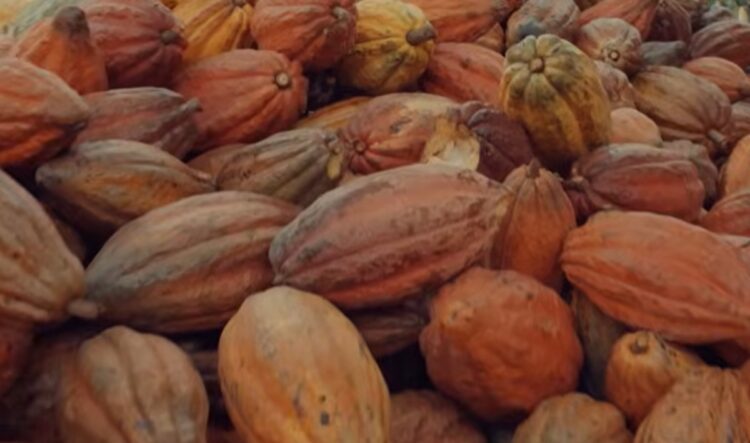
Cacao has deep roots in Philippine history. Introduced during the Spanish galleon trade, this tropical crop found its perfect home in the fertile lands of Mindanao, particularly in Davao Region. Blessed with rich volcanic soil, balanced humidity, and a warm climate, Davao offers the ideal environment for cacao cultivation — the main ingredient in chocolate.
Today, Davao stands proudly as the Chocolate Capital of the Philippines, producing over 70% of the country’s cacao supply. The region’s farms power a growing tree-to-bar movement, where local entrepreneurs turn raw cacao beans into world-class artisan chocolates.
The Cacao Economy: From Farm to Global Market
The Philippine chocolate market is valued at USD 419 million in 2024, and is projected to reach nearly USD 778 million by 2030, reflecting global demand for premium, ethically sourced chocolate.
Within this thriving sector, Davao’s 80,000 cacao farmers play a crucial role. The local government and agribusinesses have positioned cacao as a national priority crop, recognizing its contribution to employment, exports, and the rural economy.
Yet, success hasn’t come easily. Cacao farmers face unpredictable weather, unstable global prices, and the rising threat of climate change — challenges that test the resilience of the entire value chain.
Climate Challenges and the Need for Innovation
The cacao industry’s growth is directly tied to climate stability. Davao’s farmers regularly contend with El Niño-induced droughts and heavy rainfall that cause diseases like the cacao pod borer and mold in improperly dried beans.
These climate shocks threaten not just production, but livelihoods. As yields drop, farmers earn less, forcing many to reduce farm inputs or shift to other jobs. Meanwhile, a global cacao shortage — including a 30–35% production decline in Africa — drives price volatility, creating both opportunity and uncertainty for the Philippine market.
To thrive, Davao’s cacao sector had to evolve — and fast.
Sustainable Farming: The New Business Advantage
Davao’s farmers are now embracing climate-smart and sustainable farming systems. Instead of relying on chemical herbicides, they nurture soil microbes and use biofertilizers made from organic waste collected around Davao City. This circular model turns waste into productivity, cutting costs and improving long-term soil health.
Innovations like biochar technology — a process that converts cacao pods into carbon-rich soil enhancers through pyrolysis — help trap carbon in the soil, reduce greenhouse gases, and enhance nutrient absorption.
Farmers also adopt agroforestry and diversified cropping systems, intercropping cacao with bananas and forest trees. This not only boosts yield and biodiversity but also provides additional income streams, making farming more resilient to climate shifts.
Technology Meets Tradition
Sustainability efforts extend to digital agriculture. The Department of Agriculture’s Adaptation and Mitigation Initiative in Agriculture (AMIA) promotes tools like the Climate Information Service and Agroclimatic Portal, which give farmers real-time forecasts and weather-based advisories to guide planting decisions.
At the grassroots level, farmers use simple innovations like drip-line irrigation systems from recycled PET bottles to conserve water during droughts. These low-cost, high-impact solutions are proof that sustainability doesn’t always require expensive technology — just creativity and collaboration.
The Flavor of Davao: Premium, Distinct, and World-Class
Davao’s cacao is known for its fruity, nutty, and floral flavor profile, ideal for premium artisanal chocolates. Local brands have gained international recognition for their quality, helping to establish the Philippine chocolate industry on the global stage.
From tree-to-bar chocolatiers to export-oriented cacao processors, Davao’s chocolate ecosystem now represents a model of how sustainability, innovation, and business growth can coexist.
Empowering Communities, Strengthening the Value Chain
Behind Davao’s success is a philosophy of shared growth. The belief that “rising tides lift all boats” drives collaboration among farmers, processors, and entrepreneurs. The goal is not only to boost profits but also to ensure inclusive progress for the entire cacao value chain.
By investing in farmer training, improving post-harvest facilities, and promoting fair trade, Davao’s cacao community continues to uplift rural livelihoods while maintaining its global competitiveness.
Toward a Sustainable Chocolate Future
Davao’s transformation from a regional agricultural hub into a global chocolate powerhouse is a story of adaptation and innovation. Through sustainable cacao farming, the region demonstrates how local agribusinesses can thrive amid climate uncertainty — turning environmental challenges into business opportunities.
As the demand for ethically made, high-quality chocolate continues to rise, Davao’s model of climate-smart cacao production offers a blueprint for sustainable growth not just for the Philippines, but for tropical economies around the world.