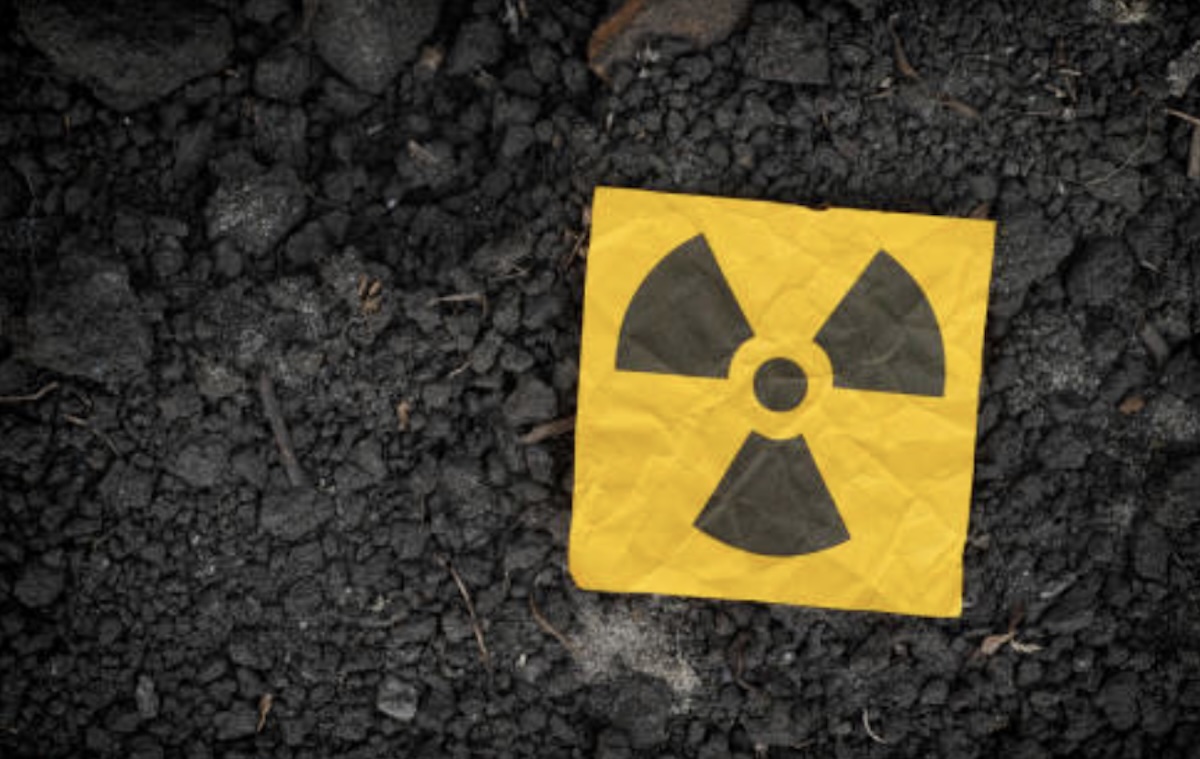
When Radiation Moves Beyond Nuclear Sites
When most people think of radiation, they picture nuclear power plants or atomic testing sites—not shrimp or spices on their dinner table. But in 2025, Indonesia found itself at the center of global headlines when shipments of shrimp and cloves were rejected by U.S. authorities after traces of Cesium-137 (Cs-137) were detected.
The incident shocked many, but it also reminded the world that radioactive materials can travel in unexpected ways. To understand what happened—and why cesium-137 remains a concern decades after the Cold War—we first need to explore what this element is, how it’s produced, and how it can move from nuclear sources into the environment and, eventually, our food.
What Is Cesium-137?
Cesium-137, symbolized as Cs-137, is a radioactive isotope formed when uranium-235 or plutonium undergoes fission inside a nuclear reactor or during a nuclear explosion.
It has a half-life of about 30 years, meaning it takes three decades for half of its radioactivity to decay. That makes it one of the longer-lived and more persistent radioactive contaminants found in the environment.
When Cs-137 decays, it releases beta particles and gamma radiation, both capable of penetrating living tissue and damaging DNA—making it hazardous if inhaled, ingested, or absorbed through wounds.
Where Cesium-137 Comes From
- Nuclear power generation: produced as a byproduct of reactor operations.
- Medical and industrial use: used in radiation therapy, gauges, and testing instruments.
- Nuclear accidents and fallout: released during major incidents like Chernobyl (1986) and Fukushima (2011).
- Illicit disposal: improper handling or disposal of Cs-137 sources from industry or research facilities.
Why Cesium-137 Is a Global Concern
Because of its long half-life and mobility, Cs-137 doesn’t just disappear after a spill or accident. It binds easily with soil particles and can dissolve in water, allowing it to spread through ecosystems and accumulate in food chains.
Once inside the body, Cs-137 behaves similarly to potassium—it distributes throughout soft tissues, especially muscles, and continuously exposes nearby cells to radiation.
Health Risks
- Short-term exposure: nausea, vomiting, fatigue, and burns from radiation.
- Chronic exposure: increased cancer risk, particularly of the liver and muscles.
- Environmental impact: long-term soil contamination, affecting crops and livestock for decades.
Historical Perspective: Cesium-137 Around the World
Throughout history, Cs-137 has been linked to some of the world’s most serious radiation incidents:
- 1957 Kyshtym Disaster (Russia): a chemical explosion at a nuclear waste facility spread Cs-137 across hundreds of square kilometers.
- 1986 Chernobyl Disaster (Ukraine): one of the largest releases of Cs-137 ever recorded—over 85 petabecquerels.
- 2011 Fukushima Daiichi Accident (Japan): Cs-137 was released into air and seawater, prompting massive cleanup and monitoring efforts.
Each event showed how Cs-137 contamination can persist in soil, forests, and oceans, making long-term recovery extremely complex.
How Cesium-137 Can Reach Food Products
The idea that radiation could show up in shrimp or spices may sound strange, but Cs-137 contamination can enter food systems in several ways.
1. Soil Contamination
Cs-137 particles can settle onto the ground through dust or rainfall after an accident or leak. Crops grown in such soil can absorb radioactive elements through their roots, transferring it into leaves, grains, or fruits.
2. Water Pathways
When Cs-137 dissolves in water, it can contaminate rivers, groundwater, and oceans. Marine species, including shrimp, fish, and shellfish, can then accumulate the isotope in their bodies—especially if they live near contaminated sediments or discharges.
3. Industrial Cross-Contamination
Industrial facilities that handle scrap metal or waste materials may inadvertently recycle radioactive residues. This contamination can spread through supply chains, especially in cases where contaminated metal or slag is repurposed for containers, tools, or building materials.
4. Airborne Fallout
In rare events, Cs-137 particles can travel long distances through the air. Fallout can deposit radioactive dust on crops or open water sources, leading to indirect ingestion.
Case Study: Indonesia’s 2025 Cesium-137 Contamination Incident
In 2025, Indonesia faced one of its most alarming environmental safety incidents in decades, drawing attention from the International Atomic Energy Agency (IAEA) and health regulators worldwide.
How It Started

In August 2025, the U.S. Food and Drug Administration (FDA) rejected a shipment of frozen shrimp from PT Bahari Makmur Sejati (BMS Foods) after detecting Cesium-137 contamination. Shortly after, a batch of cloves exported by PT Natural Java Spice was also flagged for radioactive traces.
Both findings pointed to a deeper source problem rather than isolated contamination.
Tracing the Source
Indonesia’s Badan Pengawas Tenaga Nuklir (Bapeten)—the national nuclear regulatory agency—launched an immediate investigation. The contamination trail led to the Modern Cikande Industrial Estate in Serang, Banten Province, west of Jakarta.
Authorities discovered that a scrap metal processing company, PT Peter Metal Technology (PMT), had improperly handled radioactive materials. Some of its waste products, including slag and recycled metal, contained traces of Cs-137.
Declaring a Radiation Emergency
The Indonesian government declared the Cikande Industrial Area a special radiation incident zone, restricting movement and access while conducting decontamination.
Environmental and health agencies coordinated screening programs:
- 1,562 workers and residents were tested for radiation exposure.
- Nine individuals showed positive Cs-137 traces but exhibited no radiation symptoms.
- The affected individuals received Prussian blue, a medical treatment that helps remove radioactive cesium from the body.
Fallout on Exports and Economy
Following the findings, the U.S. FDA imposed stricter import rules on Indonesian seafood and spice shipments, beginning October 31, 2025.
The Indonesian Shrimp Association (API) reported a steep drop in export orders as buyers became cautious, leading to financial stress among seafood producers.
For Indonesia—a top global shrimp exporter—this event highlighted the far-reaching consequences of even small lapses in industrial radiation safety.
Cleanup and Oversight
Ongoing cleanup operations involve:
- Isolating contaminated scrap and slag.
- Monitoring air, soil, and groundwater for radiation.
- Working with the IAEA and BRIN (National Research and Innovation Agency) to ensure safe containment.
Authorities continue to investigate whether the Cs-137 originated domestically or entered via imported scrap metal—a reminder that radioactive materials can cross borders silently.
How Governments Monitor and Prevent Cesium-137 Contamination
To prevent similar incidents, most nations enforce strict nuclear material tracking systems and radiation monitoring protocols:
- Radiation Detection at Ports: Scanners check imported goods and scrap metal for radioactive isotopes.
- Industrial Licensing: Facilities using radiation sources must register with nuclear regulators.
- Environmental Monitoring: Soil, air, and water samples are routinely tested near industrial and nuclear sites.
- Emergency Response Protocols: Rapid containment teams isolate contaminated areas to prevent public exposure.
In Indonesia’s case, the swift response from Bapeten and the Ministry of Health likely prevented a larger health crisis.
Lessons from the Indonesia Cesium-137 Case
- Nuclear materials aren’t just a power plant issue.
Even small, forgotten, or improperly disposed Cs-137 sources in industrial settings can lead to contamination events. - Food safety requires radiation awareness.
As global food supply chains grow more complex, radiation screening is as vital as microbial and chemical testing. - Transparency builds trust.
Public confidence depends on timely, transparent communication from authorities when contamination is found. - Recycling safety must evolve.
As scrap metal recycling expands globally, radiation detection at metal yards and ports is increasingly essential.
How to Stay Safe: Public Guidance on Cesium-137
While cesium-137 sounds alarming, public exposure risk remains low in most regions. Here’s what individuals and consumers should know:
- Don’t panic over headlines. Authorities monitor radiation at ports and food facilities continuously.
- Trust certified products. Look for export certification and government-issued safety clearances.
- Avoid scavenging or handling unknown metal objects. Lost or orphaned radiation sources occasionally appear in scrap yards.
- Stay informed. Follow updates from your country’s environmental or nuclear safety agency (e.g., the U.S. NRC or Indonesia’s Bapeten).
The Bigger Picture: Balancing Industrial Growth and Safety
The Cesium-137 incident in Indonesia serves as a sobering reminder of the balance every modern nation must maintain—between economic progress, industrial expansion, and environmental stewardship.
Radioactive materials have beneficial uses in medicine, power generation, and manufacturing. But they also demand rigorous oversight, worker education, and international cooperation to prevent leaks, contamination, and long-term harm.
Ultimately, nuclear safety is not just about reactors or weapons—it’s about ensuring that the byproducts of science and industry never end up on our dinner plates.
Cesium-137—Invisible, Persistent, and Preventable
Cesium-137’s story is one of contrasts: it’s a product of human innovation, yet a reminder of nature’s unforgiving physics. While it can cause lasting harm when mismanaged, global cooperation and strict monitoring can keep it under control.
From nuclear plants to seafood exports, the Cesium-137 radioactive isotope demands our vigilance—and shows how interconnected our modern world truly is. What begins in an industrial estate in one country can ripple across oceans, trade routes, and dinner tables worldwide.