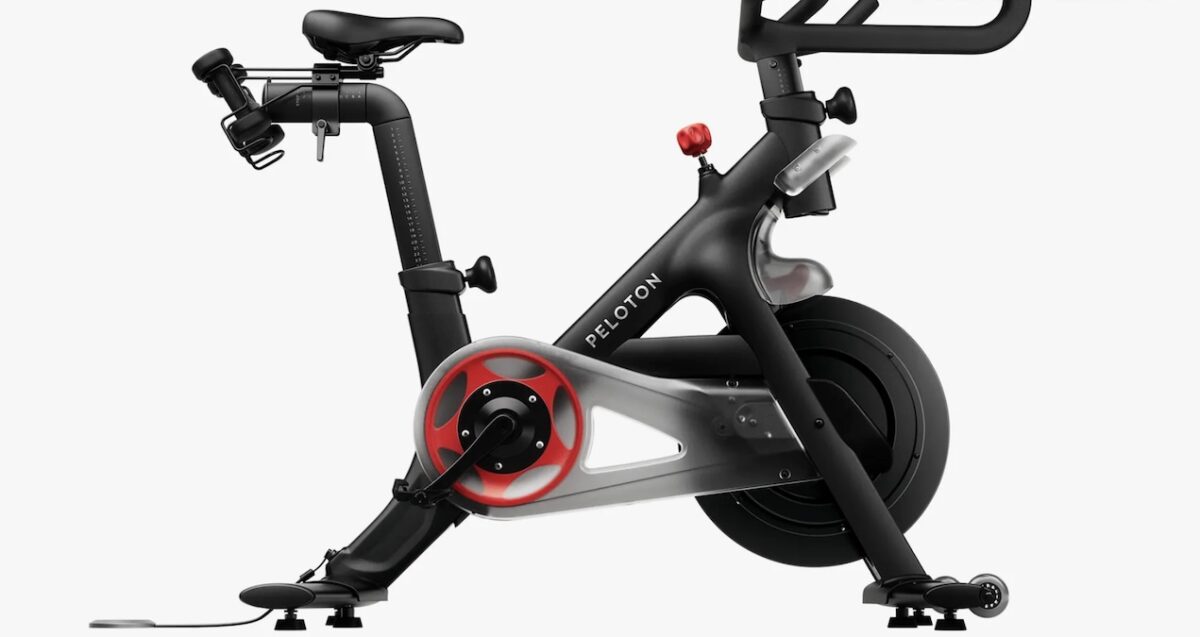
For years, Peloton has been a household name in connected fitness, inspiring millions to ride, run, and row from the comfort of their homes. But the company has also faced challenges—ranging from production issues and financial setbacks to growing competition in the fitness space. Now, Peloton is making a bold comeback. In 2025, it is relaunching its equipment lineup, raising prices, and expanding into commercial spaces, all with one clear goal: to redefine how people approach fitness.
Peloton’s Revamped Equipment Lineup
Peloton has introduced its most significant product refresh since it first hit the market. The new Cross Training Series is designed to encourage members to combine cardio, strength training, yoga, and mindfulness practices in one seamless routine.
Every machine in the updated lineup comes with upgrades:
- Faster processors and stronger WiFi for smoother streaming.
- Enhanced speakers for studio-quality audio.
- A 360-degree swivel screen for effortless transitions between workouts.
- AI-powered tracking to improve performance insights.
- Voice control, allowing members to adjust settings hands-free.
This relaunch positions Peloton not just as a cardio brand, but as a complete wellness solution.
Price Changes: What Members Need to Know
With the upgrades come higher prices. Peloton has adjusted both hardware and membership costs across the board.
Memberships:
- All-Access: $49.99/month (previously $44).
- App+: $28.99/month (previously $24).
- App One: $15.99/month (previously $12.99).
Equipment:
- Bike: $1,695 (up from $1,145–$1,495).
- Bike+: $2,695 (up from $2,495).
- Tread: $3,295 (up from $2,995).
- Tread+: $6,695 (up from $5,995).
- Row+: $3,495, replacing the original Row.
While the price hikes may cause some hesitation, Peloton is emphasizing value: instead of just cardio machines, members now get multi-functional equipment that supports a complete fitness lifestyle.
A New Era of Multi-Disciplinary Fitness
The fitness industry is evolving. Today’s members want more than a treadmill or a bike—they want a balanced workout that combines cardio, strength, flexibility, and even mindfulness. Peloton’s new lineup reflects that trend.
With the swivel screens and integrated features, switching from a run to a yoga class or from cycling to strength training feels natural. This encourages members to build routines that go beyond a single workout style, supporting overall wellness rather than focusing on one aspect of fitness.
Peloton’s Commercial Expansion: The Pro Series
Peloton isn’t just targeting homes anymore. With its new Pro Series, the company is entering the commercial fitness market in a big way. These upgraded versions of the Bike+, Tread+, and Row+ are designed to handle frequent, heavy use in places like:
- Hotels
- Apartment complexes
- Corporate wellness centers
- Country clubs
By placing Peloton machines in commercial settings, the brand is turning everyday environments into opportunities for new people to discover its ecosystem. Someone might try a Peloton Bike for the first time at a hotel gym, fall in love with the experience, and eventually bring one home.
A Strategy Built for Growth
This relaunch isn’t just about better equipment—it’s about redefining Peloton’s identity. After years of financial uncertainty, the company is focusing on its strengths: premium machines, engaging content, and a loyal member base.
The new strategy blends innovation with accessibility. Peloton is betting heavily on the holiday season, when most of its yearly sales traditionally happen, to prove that its refreshed product line and commercial expansion can reignite growth.
What This Means for Current and Future Members
For existing members, the upgrades mean better workout variety, smoother performance, and more personalized tracking. For new customers, Peloton is positioning itself as more than just a bike—it’s becoming a one-stop destination for fitness and wellness.
While the higher prices may feel steep, the added functionality offers more value than ever before. Instead of buying separate equipment for cardio, strength, and flexibility training, Peloton is packaging it all into one integrated experience.
Peloton’s Future Looks Stronger Than Ever
Peloton is entering 2025 with a clear vision: to become the leader in hybrid fitness. Its revamped machines, expanded commercial presence, and new strategy show that the company is ready to move beyond past struggles. For fitness enthusiasts in the United States, Peloton remains a powerful choice—not just for cardio workouts, but for building a balanced lifestyle that blends strength, endurance, and mindfulness.
FAQ Peloton
1. Is Peloton worth it in 2025?
Yes. With upgraded hardware, multi-functional training options, and a wide variety of classes, Peloton offers strong value for people looking for an all-in-one fitness solution.
2. Why did Peloton increase prices?
Peloton raised prices to reflect improvements in equipment quality, software, and features. The machines now offer more than just cardio—they support strength, yoga, stretching, and mindfulness training.
3. Which Peloton machine is best for beginners?
The Peloton Bike is the most accessible option for beginners. It’s lower in cost compared to other machines and offers an entry point into Peloton’s ecosystem of classes and training programs.
4. What is the Peloton Pro Series?
The Peloton Pro Series is a line of commercial-grade equipment designed for gyms, hotels, and corporate wellness spaces. These machines are more durable and built for heavy daily use.
5. Can you use Peloton without a subscription?
Yes, but the experience is limited. Without a subscription, you can access only a small number of classes and basic features. Most members find the subscription essential to get the full Peloton experience.