The Power of Scarcity in Economics
Scarcity is one of the most fundamental forces that shapes our economy. It explains why diamonds cost more than water, why limited-edition sneakers sell for thousands, and why concert tickets skyrocket when supply runs low. But how exactly does this principle work?
This comprehensive guide breaks down:
- The direct relationship between scarcity and value
- Real-world examples from everyday life to global markets
- How businesses artificially create scarcity
- Why some scarce items lose value while others appreciate
- Practical implications for consumers and investors
The Basic Economic Principle: Scarcity Creates Value
Economists define scarcity as:
“The limited availability of resources relative to unlimited human wants.”
This imbalance between supply and demand creates three key effects:
- Price Premiums – Rare items command higher prices
- Perceived Value – Scarcity makes products seem more desirable
- Allocation Challenges – Societies must decide who gets access
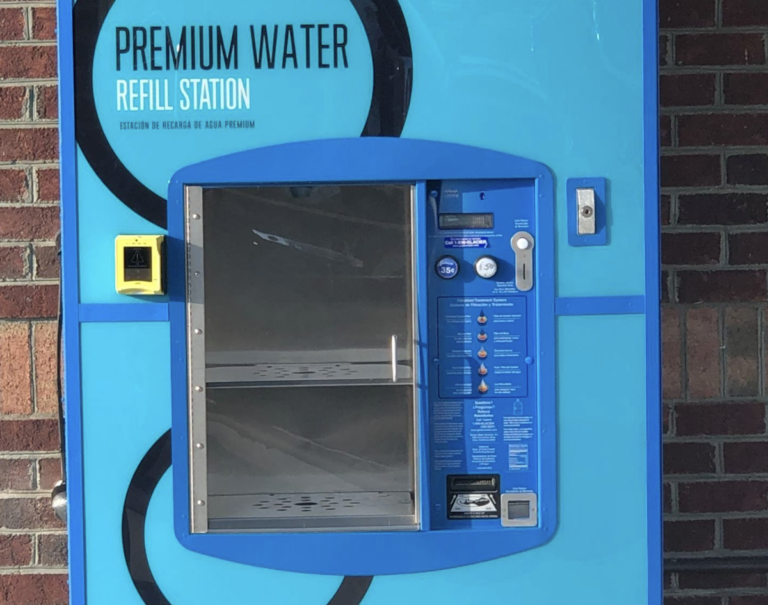
The Water-Diamond Paradox
Adam Smith’s famous observation highlights scarcity’s role:
- Water is essential but cheap (when abundant)
- Diamonds are non-essential but expensive (because they’re rare)
Types of Scarcity That Drive Value
1. Natural Scarcity
- Limited geological availability (gold, lithium)
- Agricultural constraints (vanilla beans, saffron)
- Biological limitations (bluefin tuna, old-growth timber)
Example: The global saffron market values it at $5,000/kg because each flower produces only 3 stigmas, requiring 150,000 flowers per kg.
2. Artificial Scarcity
Business strategies that intentionally limit supply:
- Limited edition releases (Nike’s collaboration drops)
- Digital NFTs with capped quantities
- Membership exclusivity (American Express Black Card)
Case Study: Nintendo’s deliberate NES Classic shortage in 2016 created 10x markup in secondary markets.
3. Situational Scarcity
Temporary conditions that increase value:
- Disaster preparedness items (generators during blackouts)
- Seasonal products (pumpkin spice lattes)
- Trend-driven demand (Fidget spinners in 2017)
The Mathematics of Scarcity: Supply vs. Demand
The price relationship follows basic economic curves:
When Supply Decreases:
- Fixed demand + reduced supply = higher prices
- Extreme scarcity creates bidding wars
When Demand Increases:
- Fixed supply + rising demand = price spikes
- Speculation can exaggerate this effect
Real-World Example: The housing market in desirable areas shows both principles – limited land (supply scarcity) plus population growth (demand increase) equals soaring prices.
Exceptions: When Scarcity Doesn’t Increase Value
Not all rare items become valuable. Scarcity only creates value when:
✔ The item is desirable (no demand = no value)
✔ The scarcity is verifiable (counterfeits destroy trust)
✔ The market has purchasing power (rare items need buyers)
Counterexamples:
- Beanie Babies (artificial scarcity without lasting demand)
- BetaMax tapes (technologically obsolete despite rarity)
- Your childhood baseball cards (only valuable to you)
Psychological Effects of Scarcity
Behavioral economics shows how scarcity triggers:
- Fear of Missing Out (FOMO): Urgency to buy now
- Perceived Quality: “If it’s rare, it must be good”
- Social Signaling: Ownership demonstrates status
Neurological Study: MIT researchers found scarcity activates the same brain regions as physical cravings.
Business Strategies Using Scarcity
Companies leverage scarcity through:
- Limited-Time Offers (24-hour sales)
- Countdown Clocks (eCommerce urgency)
- Waitlists (artificial access barriers)
- Tiered Pricing (early bird discounts)
Conversion Data: Scarcity tactics can increase sales by 226% (Source: ConversionXL)
Investing in Scarce Assets
Historically valuable scarce assets include:
- Collectibles (Art, rare wines, vintage cars)
- Commodities (Gold, silver, lithium)
- Digital Assets (Bitcoin’s 21M coin limit)
- Real Estate (Location-locked properties)
Key Consideration: The most successful scarce investments combine:
- Authentic rarity
- Lasting demand
- Liquid markets
Ethical Considerations
Scarcity manipulation raises questions about:
- Hoarding essential goods during crises
- Artificial inflation of life-saving drugs
- Environmental costs of resource extraction
Recent Controversy: Pharmaceutical companies limiting production of cheap generics to push branded alternatives.
Practical Takeaways for Consumers
- Recognize Manufactured Scarcity – Is this “limited edition” really rare?
- Time Purchases Strategically – Buy seasonal items off-season
- Diversify Investments – Don’t over-index in any single scarce asset
- Understand True Needs vs. Wants – Scarcity preys on irrational desires
FAQ: Scarcity and Value Explained
Q: Can something be valuable without being scarce?
A: Yes – essential commodities like water have intrinsic value, but abundance keeps prices low.
Q: Why do some scarce items lose value over time?
A: If demand disappears (technological obsolescence) or scarcity is disproven (new diamond mines discovered).
Q: How can I verify true scarcity?
A: Check production numbers, geological surveys, and third-party authentication for collectibles.
Q: Is scarcity the only factor determining value?
A: No – utility, quality, and market conditions all play roles, but scarcity is the primary price multiplier.
Navigating a World of Limited Resources
Understanding scarcity’s role in valuation helps you:
- Make smarter purchasing decisions
- Identify worthwhile investments
- Avoid marketing manipulation
- Appreciate global economic dynamics
In our increasingly crowded world, the principles of scarcity will only grow more important. Whether you’re buying sneakers or stocks, recognizing genuine scarcity separates fleeting trends from lasting value.