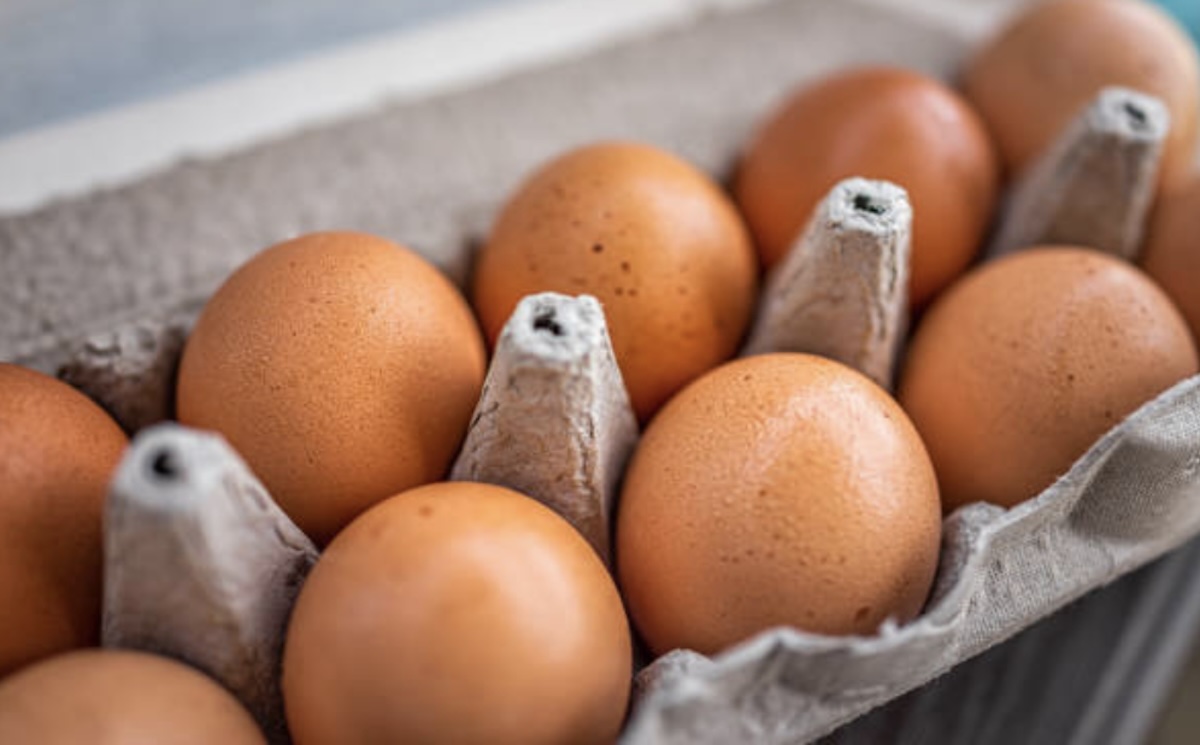
It’s 6 AM, and a small bakery owner in Ohio stares at her empty refrigerator. No eggs. Her supplier just canceled her weekly order—again. Meanwhile, at a grocery store in Texas, a sign reads: “Limit 1 Carton of Eggs per Customer.”
What’s going on? Why are eggs suddenly so scarce and expensive? And what can small businesses that rely on eggs do about it?
Let’s crack open the truth behind the egg shortage—and how businesses can avoid getting scrambled by supply chain disruptions.
Why Is There an Egg Shortage? (5 Key Reasons)
1. Bird Flu (Avian Influenza) Outbreaks
📌 What’s happening?
A deadly strain of H5N1 avian flu has wiped out millions of egg-laying hens since 2022, with recurring outbreaks in 2024.
📌 Impact:
- The U.S. lost over 44 million egg-laying hens in 2023 alone.
- Farms must cull entire flocks to prevent spread, reducing supply.
2. Rising Feed & Fuel Costs
📌 What’s happening?
- Corn & soy (chicken feed) prices rose 30%+ due to droughts and global demand.
- Fuel costs make transportation more expensive, raising egg prices.
📌 Impact:
- Farmers cut back on production—fewer hens = fewer eggs.
- Small farms struggle to afford feed, forcing shutdowns.
3. Supply Chain & Labor Shortages
📌 What’s happening?
- Truck driver shortages slow deliveries.
- Processing plants face worker shortages, delaying packaging.
📌 Impact:
- Even when eggs are produced, they take longer to reach stores.
4. Hoarding & Panic Buying
📌 What’s happening?
Consumers and businesses stockpile eggs fearing shortages, making the problem worse.
📌 Impact:
- Artificial scarcity—stores run out even when supply exists.
- Prices spike due to high demand + low supply.
5. Inflation & Corporate Pricing
📌 What’s happening?
- Egg prices doubled in 2023, hitting record highs.
- Some argue big producers kept prices high even after flu outbreaks eased.
📌 Impact:
- Small businesses can’t afford eggs at inflated prices.
- Restaurants & bakeries raise menu prices or cut egg-based items.
How the Egg Shortage Is Hurting Small Businesses
🥐 Bakeries & Cafés
- Switching to egg substitutes (flaxseed, applesauce) changes taste & texture.
- Some stop offering egg-heavy items (quiches, custards).
🍳 Restaurants & Diners
- Breakfast spots limit servings (e.g., “1-egg meals only”).
- Menus shrink—no more omelet bars.
🛒 Grocery Stores & Suppliers
- Rationing eggs (1 carton per customer).
- Empty shelves frustrate shoppers.
How Small Businesses Can Survive the Egg Shortage
1. Diversify Suppliers
❌ Relying on one farm? Risky.
✅ Solution:
- Source from local farms (less impacted by flu).
- Try wholesale co-ops for bulk discounts.
2. Adjust Recipes & Menus
❌ Sticking to egg-heavy dishes? Costly.
✅ Solution:
- Use egg alternatives (aquafaba, silken tofu).
- Promote egg-free options (vegan baked goods).
3. Stock Up Smartly (Without Hoarding)
❌ Panic-buying 100 cartons? Wastes money.
✅ Solution:
- Buy frozen or powdered eggs (longer shelf life).
- Store properly to prevent spoilage.
4. Communicate with Customers
❌ Silently raising prices? Angers customers.
✅ Solution:
- Explain why prices increased (transparency builds trust).
- Offer loyalty discounts to keep them coming back.
5. Plan for Future Shortages
❌ Assuming this is a one-time crisis? Dangerous.
✅ Solution:
- Build an emergency supply fund.
- Track egg price trends to anticipate spikes.
Will the Egg Shortage End Soon?
🔮 Short-term: Prices will stay high until hen populations recover (6–12 months).
🔮 Long-term: Farms are improving biosecurity to prevent future outbreaks.
Businesses should prepare for ongoing fluctuations.
Don’t Let the Shortage Scramble Your Business
Egg shortages are painful, but adaptable businesses survive. By diversifying suppliers, tweaking menus, and communicating openly, small businesses can keep serving customers—without breaking the bank.
What’s Your Next Move?
- Bakeries: Test egg-free recipes now.
- Restaurants: Negotiate with local farms.
- Suppliers: Offer frozen egg alternatives.
Stay ahead, and you’ll outlast the shortage.
#EggShortage #SmallBusiness #SupplyChain #FoodIndustry #BusinessTips