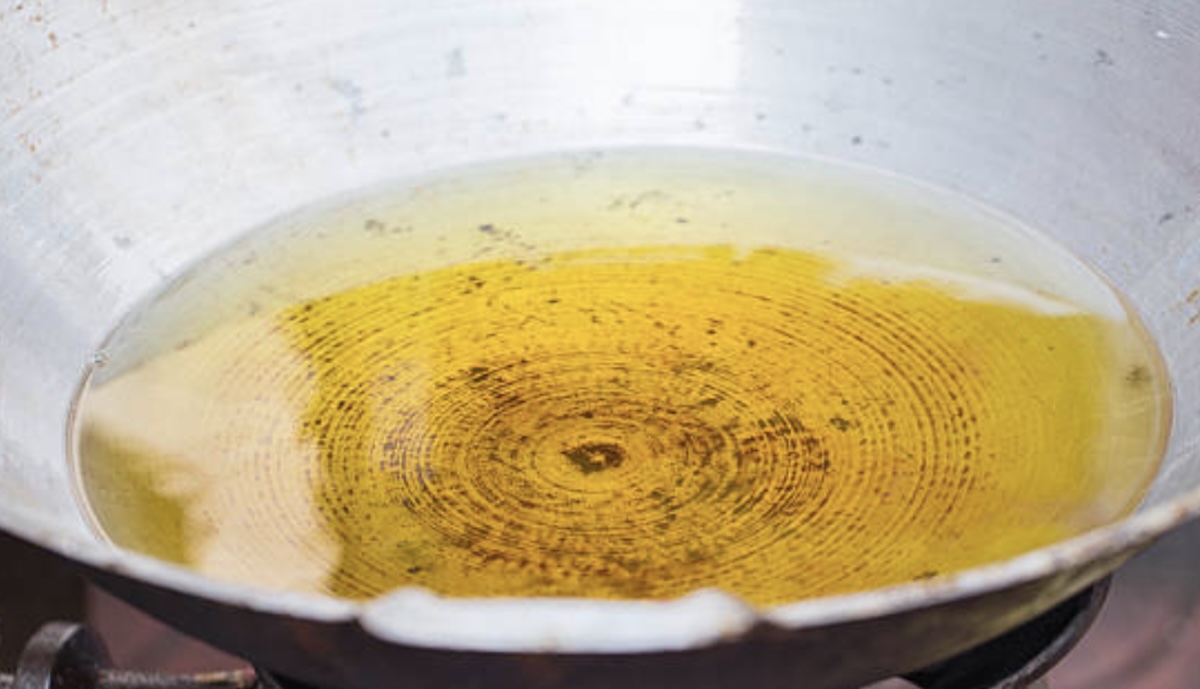
Improper disposal of used cooking oil can clog plumbing, attract pests, and harm the environment. Whether you’re a home cook or a business owner in the food service industry, understanding how to dispose of cooking oil correctly is essential for compliance, cleanliness, and sustainability.
Why Proper Cooking Oil Disposal Matters
Cooking oil might seem harmless, but when poured down the drain or discarded improperly, it can:
- Cause sewer blockages and plumbing damage
- Harm wildlife and pollute waterways
- Violate local environmental laws
- Create fire hazards if stored or disposed of carelessly
Let’s explore the best practices for disposing of cooking oil and what you need to know to stay safe, legal, and eco-conscious.
How to Dispose of Cooking Oil at Home
Step 1: Let the Oil Cool and Solidify
After cooking, allow the oil to cool completely. Many oils, especially those used for frying, will partially solidify when left at room temperature.
Step 2: Transfer to a Disposable Container
Once cool, pour or scrape the oil into a non-recyclable, leak-proof container, such as:
- A milk carton
- A used takeout container
- A jar with a tight lid
Avoid pouring oil into containers meant for recycling.
Step 3: Seal and Bag
When the container is full, seal it tightly and place it in a plastic bag to prevent spills or leaks.
Step 4: Throw It in the Trash
Dispose of the bagged oil container with your regular household garbage. Never pour cooking oil down the sink or toilet.
Environmentally Friendly Disposal Options
For those seeking greener disposal methods, consider the following:
1. Reuse Cooking Oil
Oil used for deep frying can often be filtered and reused up to three times (see our guide on cleaning oil with cornstarch for more).
2. Use a Cooking Oil Recycling Service
Many local recycling centers or waste facilities accept used cooking oil. Some even convert it into biofuel, a sustainable alternative to fossil fuels.
Services like Olio, RID, and local biofuel programs collect and repurpose waste oil, often for free.
3. Composting (Small Quantities Only)
In tiny amounts, plant-based oils can be added to compost piles. However, this should be done sparingly, as too much oil can upset the composting balance.
Business Compliance: Is Used Cooking Oil Hazardous?
Regulations Vary by Location
In California, for example, under Health and Safety Code Section 25250.4, used cooking oil may be considered hazardous waste unless properly recycled.
To comply with OSHA and EPA standards:
- Partner with a licensed oil collection or recycling provider
- Keep detailed records of your oil disposal process
- Train staff on safe storage and handling practices
While vegetable oil is not considered hazardous by OSHA in food-grade use, in mist or aerosol form, it may be subject to air contaminant regulations under 29 CFR 1910.1000.
What Happens to Waste Cooking Oil?
Used oil collected by professionals doesn’t go to waste. It is:
- Refined into biodiesel: Companies like McDonald’s convert up to 42% of their used oil into biodiesel to power delivery fleets.
- Used in industrial lubricants or animal feed (if treated properly)
- Converted into soap and other non-edible products
Biofuels made from cooking oil are often more sustainable than crop-based fuels, cutting carbon emissions by 60% or more.
FAQs on Cooking Oil Disposal
Is Vegetable Oil a Hazardous Substance?
Not in food use. But vegetable oil mists may be regulated as air contaminants in industrial settings.
Can I Dump Cooking Oil in the Yard or Drain?
No. It can damage your plumbing, contaminate groundwater, and attract pests.
Where Can I Dump Cooking Oil Safely?
Use a cooking oil recycling center, household hazardous waste facility, or a partnered collection service if available in your area.
Handle Cooking Oil the Right Way
Knowing how to dispose of cooking oil properly protects the environment, avoids plumbing disasters, and keeps you compliant with local regulations. Whether you’re a home chef or a commercial kitchen manager, the key is to cool, contain, and dispose responsibly—or better yet, recycle and reuse.