Nintendo has always been synonymous with innovation and game-changing hardware. The release of the Switch in 2017 was a perfect storm of creativity, offering players the ability to seamlessly transition between console and portable gaming. Now, Nintendo is back with the highly anticipated Switch 2, which launches on June 5 at $449.99, a significant increase from its predecessor’s $300 price point. This move has raised questions about whether Nintendo can repeat the success of the original Switch, or if it’s walking a fine line between innovation and overextension.
A Major Leap Forward in Technology
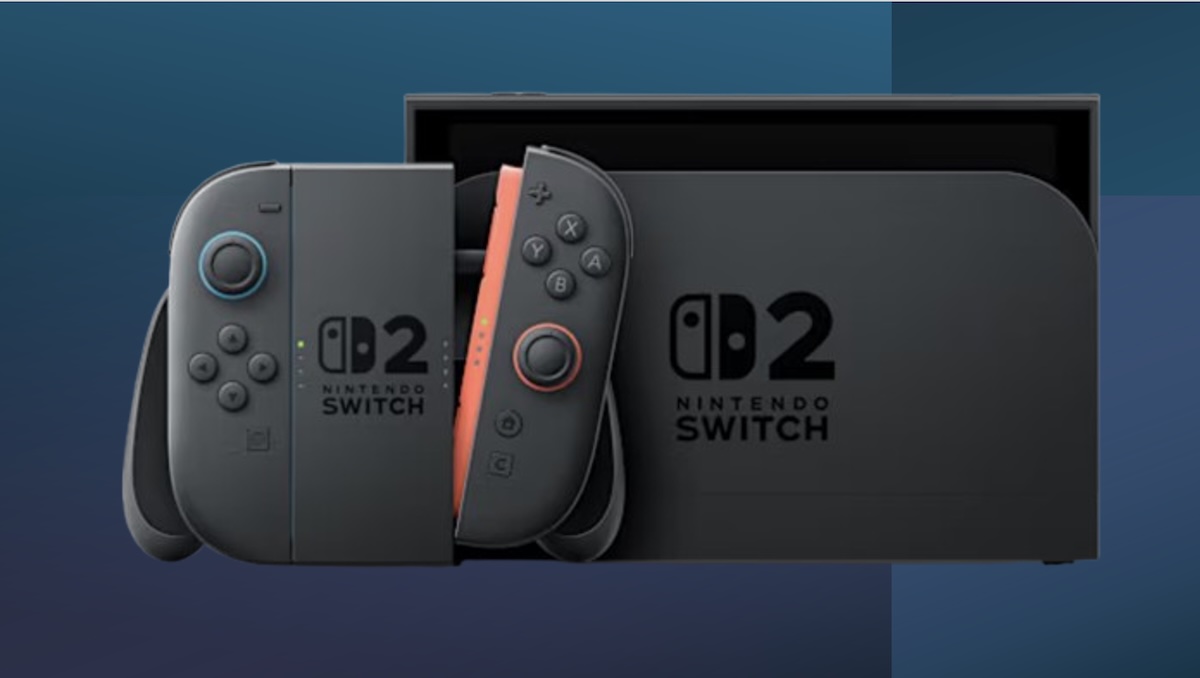
The Nintendo Switch 2 brings several upgrades and refinements over the original console, making it an appealing choice for those looking for a more powerful and feature-rich gaming experience. One of the standout improvements is the 7.9-inch display, an upgrade from the Switch’s 6.2-inch screen, offering a larger, sharper view for handheld gaming. Additionally, the Switch 2 now features 8 times more storage than the original model, ensuring that users have ample space for their growing game libraries.
The console also boasts a 4K resolution dock—a major upgrade that promises to improve the quality of gaming on a compatible TV, bringing the graphics in line with other high-end gaming systems. This enhancement puts the Switch 2 in direct competition with consoles like the PlayStation 5 and Xbox Series X, yet it maintains the hybrid nature that made the first Switch so unique.
Game-Changing Features for a Connected Experience
One of the biggest selling points of the Switch 2 is its emphasis on connectivity and interactivity. With the new Game Chat function, players can communicate in real time while playing games, adding a much-needed social element. In addition, a standout feature is the ability for users to share games with others in close proximity, even if the other player doesn’t own the game. This is a perfect example of how Nintendo continues to focus on user-friendly, fun features that encourage social gaming experiences.
The Joy-Con controllers, which remain a staple of the Switch family, have also received a major update. They now support mouse-like functionality, allowing for more precise control when interacting with the console. This change is expected to improve the gameplay experience for a variety of genres, from platformers to puzzle games.
Competing in a Tough Market
While the technological upgrades are clear, the price point of $450 presents a significant hurdle for Nintendo. The original Switch, priced at $300, was a hit because it provided great value for money. Now, the company is asking gamers to pay 50% more for a device that’s not drastically different from the original. This price hike puts the Switch 2 in competition with devices like Valve’s Steam Deck, which also offers portable gaming at a similar price point but with more powerful PC gaming capabilities.
Moreover, the post-pandemic market presents unique challenges. The gaming industry saw a surge in engagement during lockdowns in 2020, but demand has slowed as consumers have shifted their spending habits in the face of inflation and economic uncertainty. With higher production costs, partly due to tariffs on Chinese goods, Nintendo faces the difficult task of convincing consumers that the Switch 2 offers enough value to justify the increased price tag.
The Power of Nintendo’s Exclusive Titles
Despite the challenges, Nintendo’s extensive library of exclusive games remains its biggest strength. Franchises like Super Mario, Donkey Kong, and Mario Kart continue to drive sales, and the introduction of new games for the Switch 2, including titles like Elden Ring and Cyberpunk 2077, shows that Nintendo is keen on expanding its appeal beyond its traditional fan base.
Nintendo has long been known for its ability to create cinematic, single-player experiences that stand apart from the more social, casual gaming experiences offered by mobile games. This focus on quality content and unique gameplay experiences is expected to give the Switch 2 an edge in the competitive gaming landscape.
Striving for the Same Success
Nintendo is no stranger to challenges when it comes to maintaining success across console generations. For example, the Wii U, a follow-up to the hugely successful Wii, only sold around 13 million units, a fraction of the Wii’s 101 million. The company also faced struggles with the 3DS, which sold fewer units than the original DS.
This time, however, Nintendo is trying something different by positioning the Switch 2 as a direct sequel rather than a completely new product. The Switch 2 promises improvements without overhauling the core concept of hybrid gaming. This makes it a safer bet for existing fans who are invested in the Switch ecosystem but want something with better specs and additional features.
Will the Price Hike Pay Off?
With its improved hardware, new features, and robust library of games, the Nintendo Switch 2 is poised to offer a compelling gaming experience. However, the higher price tag, combined with the uncertainty in the gaming market, means that Nintendo faces an uphill battle to replicate the success of its predecessor. For the Switch 2 to succeed, it will need to attract both long-time fans and new customers, convincing them that the upgrades are worth the investment.
Ultimately, Nintendo’s ability to strike the right balance between innovation, pricing, and game content will determine whether the Switch 2 can live up to the lofty expectations set by its predecessor. Time will tell if the hybrid console model can continue to dominate in an increasingly competitive market.