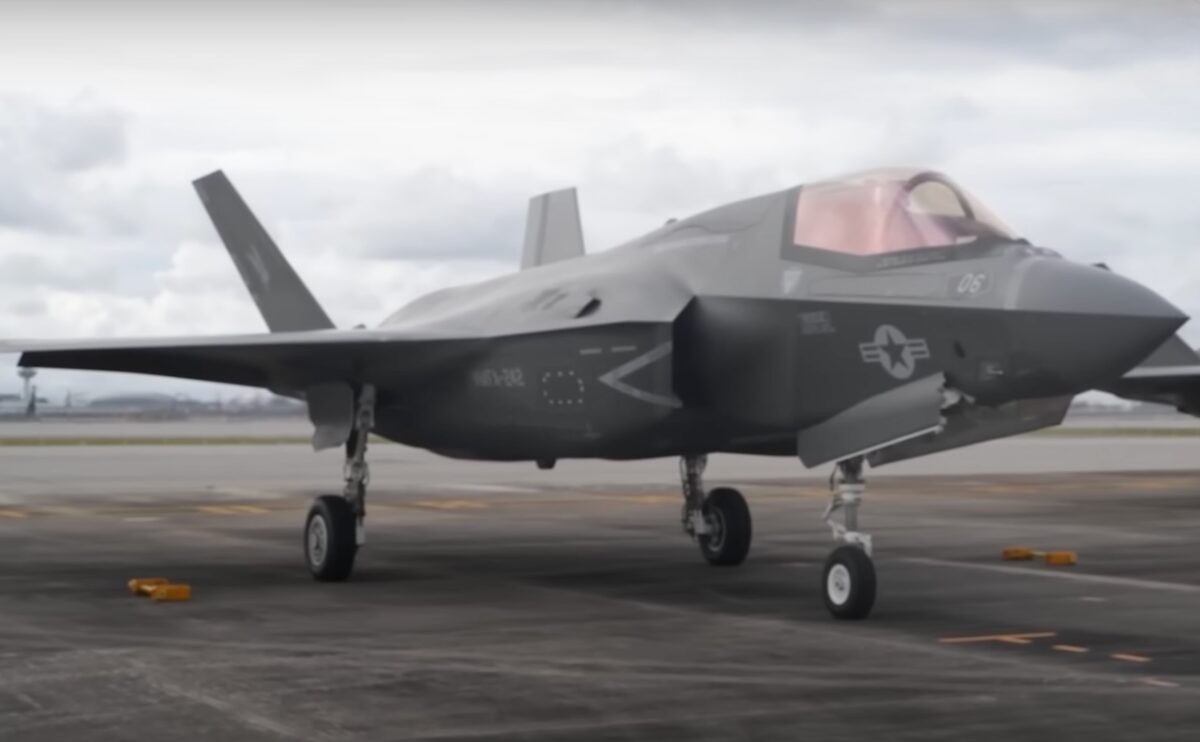
Canada’s Plan to Purchase U.S. F-35s and Security Concerns
In June 2023, after years of deliberation, the Canadian government signed a landmark agreement to purchase 88 F-35 fighter jets from the U.S. defense giant Lockheed Martin. However, this decision has become increasingly contentious amid the shifting political landscape, with concerns over security, national sovereignty, and the costs of the deal. This article explores Canada’s F-35 purchase, its implications, and the growing debates around the purchase within the context of U.S.-Canada relations.
Canada’s Plan to Purchase U.S. F-35s
The purchase of the F-35s is a key element of Canada’s defense strategy. The government intends to replace its aging fleet of CF-18 fighter jets, which are nearing the end of their operational life. The F-35, a fifth-generation fighter jet known for its advanced stealth capabilities, is seen as an essential asset for maintaining Canada’s air sovereignty and defense capabilities, especially in the face of evolving global threats.
In June 2023, Canada formally committed to purchasing the 88 F-35s, with an estimated cost of $19 billion. The decision followed years of delays and indecision, amid concerns about the rising costs of the aircraft and their technical readiness. Despite the high price tag, the F-35 purchase was seen as a necessary investment to modernize Canada’s military and maintain interoperability with its U.S. allies, especially as defense and trade relations with the United States become more complex.
The Impact of Cancelling the F-35 Purchase
Recently, the debate over the F-35 purchase has taken a new turn, particularly with the growing political pressure from Canada’s New Democratic Party (NDP). NDP Leader Jagmeet Singh has advocated for cancelling the F-35 deal altogether, calling it a national security risk and arguing that Canada should look for opportunities to build fighter jets domestically, thereby creating jobs and ensuring more independence from the U.S.
However, the path to cancelling the F-35 purchase is not straightforward. Experts caution that ending the contract would come with significant penalties. The Canadian Forces have already started developing infrastructure and training to operate the F-35s, which would be a considerable financial setback. Moreover, Canada’s aging CF-18 fleet is approaching the end of its operational life, and without an immediate replacement, Canada could face gaps in its defense capabilities.
Another proposal gaining attention is Saab’s offer to build Gripen fighter jets in Canada. The Swedish company has proposed that its Gripen jets be assembled in Canada, with technology and intellectual property transfers to ensure the jets could be maintained domestically. However, experts point out that any attempt to move away from the F-35 would require a complete reevaluation of procurement processes, potentially delaying Canada’s ability to replace its aging fleet.
Security Concerns and the U.S. Control Over the F-35s
One of the most significant concerns surrounding Canada’s purchase of F-35s is the level of control the U.S. would retain over the aircraft. Critics argue that the U.S. government could maintain control over critical software and hardware upgrades, which could leave Canada vulnerable in times of geopolitical tension. This situation raises alarms over the long-term security and operational independence of Canada’s air force.
While Lockheed Martin has responded to these concerns, reassuring customers that all necessary system infrastructure and data for aircraft sustainment will be provided, skeptics remain unconvinced. They argue that the U.S. could potentially limit or deny future upgrades to the F-35s, leaving Canada’s fleet outdated and less capable over time.
However, some experts, such as Carleton University’s Philippe Lagassé, emphasize that the risk of this scenario occurring is minimal unless Canada finds itself in a conflict with the U.S. Given the strong defense ties between the two countries, such a situation seems unlikely. Nonetheless, the potential vulnerability remains a significant factor in the broader debate about the F-35s.
The Broader Implications for U.S.-Canada Relations
The ongoing discussions surrounding the F-35 purchase highlight the complex and sometimes contentious nature of U.S.-Canada relations. On the one hand, Canada’s reliance on the U.S. for defense procurement raises questions about sovereignty and the potential risks of too much dependence on a single foreign power. On the other hand, maintaining close ties with the U.S. military is essential for ensuring Canada’s security in an increasingly unstable global landscape.
The F-35 debate also underscores the broader issue of trade and defense integration between the two countries. The intertwined nature of their military capabilities means that any shift in Canada’s defense procurement strategy could have far-reaching implications for their bilateral relationship. In particular, any attempt to sever ties with U.S. defense contractors could escalate tensions in an already volatile trade environment.
Future Defense Needs
As Canada contemplates its future defense needs, the F-35 purchase remains a focal point of the U.S.-Canada trade and defense relationship. While the F-35’s advanced capabilities make it a valuable asset for Canada’s air defense, the concerns surrounding U.S. control over the jets, as well as the political and financial ramifications of canceling the contract, cannot be ignored. With national security, jobs, and sovereignty at stake, Canada’s decision on the F-35 will have lasting implications for its military and its relationship with the United States.
The current debate is a reminder of the delicate balance Canada must strike between maintaining strong ties with its allies and protecting its own national interests. As the situation develops, Canada will need to carefully consider its options and the broader implications of any decision, whether that means proceeding with the F-35 purchase or exploring alternative defense solutions.